




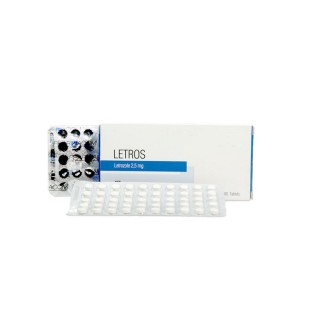



















Letrozole: Description and Main Properties
Letrozole is a medication primarily utilized in the treatment of hormone receptor-positive breast cancer in postmenopausal women. Classified as an aromatase inhibitor, it functions by reducing the level of estrogen in the body, a hormone that can promote the growth of certain breast cancers. By inhibiting the enzyme aromatase, which converts androgens into estrogens, Letrozole helps to limit the amount of estrogen available to cancer cells, ultimately slowing down their growth or causing them to shrink.
This category, encompassing Letrozole, is significant in the realm of oncology and hormone-related therapies. Its general characteristics include its ability to selectively target estrogen production without affecting other steroid hormones significantly. Furthermore, Letrozole is characterized by its oral administration, typically taken once a day, making it a user-friendly option for patients in need of long-term treatment. Key functional features include its effectiveness in helping to prevent breast cancer recurrence and its utility in cases of infertility treatment in women by inducing ovulation.
Dosage Guidelines and Intake Regimen
Understanding the proper dosage and intake regimen for Letrozole is crucial for effective and safe treatment. The general principles of use recommend starting with a typical dosage of 2.5 mg taken once daily. The dosage may be adjusted by healthcare providers based on individual needs, responses to therapy, and any associated side effects. It is important to follow the prescription given by a doctor without deviation, as similar medications might have different dosing regimens.
When taking Letrozole, it is advisable to maintain a consistent schedule, such as taking the medication at the same time each day to ensure steady levels in the bloodstream. Additionally, the medication can be taken with or without food; however, patients should avoid grapefruits and grapefruit juice during treatment, as these may interact with the medication and alter its effectiveness.
Other important notes related to proper intake include:
- Do not discontinue use without consulting a healthcare provider, even if symptoms improve.
- Regular follow-up appointments are essential for monitoring response to treatment and managing any side effects.
- Report any side effects to your healthcare provider to adjust treatment plans as necessary.
Sticking to the prescribed regimen maximizes the potential benefits of Letrozole while minimizing risks.
Advantages and Practical Benefits of Letrozole for Athletes
Letrozole has gained attention in the fitness and sports community, particularly for its advantageous properties. Athletes, especially those engaged in bodybuilding or competitive sports, often seek to optimize their performance and physique. The use of Letrozole has become known for its various benefits in this realm. Here are some of the main practical advantages associated with this medication:
- Reduction in estrogen levels leads to a more favorable androgen-to-estrogen ratio, which can promote muscle growth and strength gains.
- Helps in minimizing water retention, allowing for better-defined muscle appearance.
- Can aid in mitigating gynecomastia (breast tissue development in males), a concern for many male athletes.
- Supports body recomposition efforts by facilitating fat loss while preserving lean mass.
- May enhance overall training intensity and recovery due to its hormonal balancing effect.
These benefits have made Letrozole particularly suitable for male athletes seeking to optimize their body composition without excessive estrogen-related side effects.
Considerations When Using this Category
While Letrozole offers multiple advantages, it is crucial to approach its use with caution. There are several important considerations and precautions to keep in mind before starting treatment. Consultation with a healthcare professional is essential to ensure safety and effectiveness, as Letrozole is not suitable for everyone.
Certain contraindications exist, including:
- Pregnant women should avoid using Letrozole due to potential risk to fetal development.
- Women who are breastfeeding should also abstain, as the medication can be excreted in breast milk.
- Individuals with a history of severe allergic reactions to Letrozole or any of its ingredients should not use this medication.
- People with liver disease or severe kidney issues are advised to seek professional guidance before use, given the medication's potential impact on these organs.
- Children are generally not prescribed Letrozole, given its specific indications and age-related hormonal differences.
Moreover, being aware of potential side effects, such as fatigue, joint pain, or hot flashes, is essential. Regular monitoring and communication with a healthcare provider can help manage any adverse reactions effectively. In summary, although Letrozole can provide significant benefits, it is vital to use it responsibly and under medical supervision to ensure the best outcomes.