
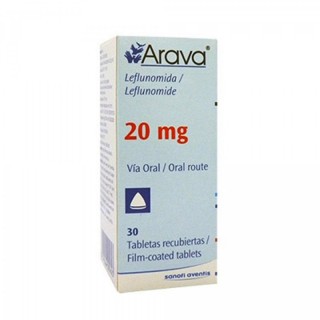



Buy Leflunomide in the USA
Leflunomide is a medication predominantly used for treating autoimmune diseases, specifically rheumatoid arthritis and psoriatic arthritis. It works by inhibiting the proliferation of lymphocytes, thereby modulating immune responses and reducing inflammation in affected joints. One of the primary advantages of Leflunomide is its availability in both oral tablet form and as a liquid formulation, catering to different patient preferences and needs. This flexibility in release forms ensures improved adherence to treatment regimens, leading to better clinical outcomes. The expected results from using Leflunomide include reduced joint pain, lessening of morning stiffness, and minimized swelling, all contributing to increased mobility and improved quality of life. It is particularly intended for individuals suffering from chronic inflammatory conditions, as well as for those who have not responded adequately to other treatments. With a reliable action profile and predictable results, Leflunomide offers a viable option for long-term management of autoimmune diseases.
How to structure practical use
The half-life period of Leflunomide is approximately 15 to 18 days, which means that the drug stays in the body long enough to maintain stable levels with appropriate dosing schedules. It is typically recommended to initiate treatment with a loading dose, followed by a daily maintenance dose. Splitting the daily dose can aid in minimizing gastrointestinal discomfort, which some patients may experience. It's advisable to take Leflunomide in conjunction with meals to further alleviate any potential GI issues. Maintaining a stable concentration of the medication in the bloodstream is essential for maximizing its efficacy and minimizing side effects. Regular intake at the same time each day helps in achieving this objective, thus sustaining therapeutic levels of Leflunomide and enhancing patient compliance. Adhering to this regimen is crucial for effective treatment as it can lead to improved outcomes over time.
Duration and working ranges
The standard course duration for Leflunomide is typically around 24 weeks, although individual experiences and clinical indications may vary. Patients can expect to see initial results, such as improvements in joint function and a reduction in pain, within 4 to 6 weeks of starting treatment. Adjusting the dosage may be necessary based on the patient's prior treatment experience and response to Leflunomide. For new users, beginning with a lower dose and gradually increasing it helps mitigate side effects and optimizes tolerance. Factors influencing the effectiveness of Leflunomide include adequate training, fulfilling nutritional needs, and ensuring sufficient sleep, all of which contribute to overall health and medication responsiveness. The therapeutic benefits of this medication can be remarkable when it is integrated with a comprehensive treatment plan that addresses these variables.
State monitoring and expected dynamics
Long courses of Leflunomide necessitate regular laboratory monitoring to ensure patient safety and medication efficacy. Key indicators for close monitoring include liver enzymes, hemoglobin levels, and blood pressure readings. Patients should undergo initial tests prior to starting the medication, with follow-up evaluations scheduled at regular intervals, typically every 6 to 8 weeks. The first observable results often appear within 4 weeks, allowing adjustments to be made as needed based on laboratory findings. To sustain the benefits achieved during the treatment phase, it is critical to engage in good lifestyle practices post-course and possibly initiate post-cycle therapy. Such strategies help maintain the positive impacts of Leflunomide and support reestablishing balance in the immune system after discontinuation of the medication.
Monitoring during intense training
When using Leflunomide during periods of intense training, it’s essential to track specific health indicators. Maintaining a diary of daily symptoms and experiences can be invaluable. Symptoms requiring immediate attention may include severe abdominal pain, unusual fatigue, skin rashes, or persistent headaches. Such observations can serve as critical feedback on how the body is reacting to both the medication and training regimens. In cases where symptoms worsen or do not improve, an in-person consultation with a healthcare provider is imperative. Additionally, caution is advised when combining Leflunomide with other supplements or medications, as interactions can influence both effectiveness and safety.
Safety and results when using Leflunomide
Prior to starting Leflunomide, a comprehensive health check is vital to ensure safe usage. There are several contraindications to be aware of for prospective users, including existing liver function disorders, known heart and vascular conditions, any oncological diagnoses, pregnancy and breastfeeding, individuals under the age of 21, and those with individual intolerance to the medication. To promote safe therapy, specific medical examinations, including liver function tests and blood cell counts, should be mandated. Understanding these considerations can drastically minimize risks and optimize results when utilizing Leflunomide for managing autoimmune diseases. For those seeking effective and medically supervised treatments, quality healthcare guidance coupled with the right medication can lead to substantial improvements in well-being.