
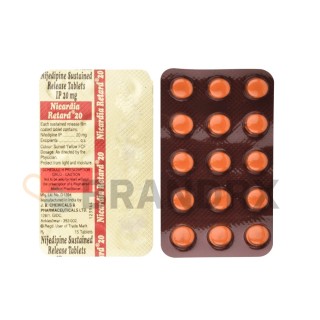
Main positive effects of Nifedipine
Nifedipine is a notable member of the calcium channel blocker family, primarily used in the management of hypertension and angina pectoris. The commonality among the products in the Nifedipine group lies in their ability to block calcium ions from entering the vascular smooth muscle and cardiac muscles. This mechanism causes vasodilation. The result is a decrease in peripheral vascular resistance, which leads to lowered blood pressure and reduced strain on the heart. Additionally, Nifedipine is known for its rapid onset of action, providing prompt relief from angina symptoms. Furthermore, the long-acting formulations of Nifedipine allow for sustained control of blood pressure, contributing to improved patient adherence to treatment regimens.
Purchase options in the USA through a specialized store
For those seeking to purchase Nifedipine in the United States, there are several options available through specialized pharmacies and online retailers. Nifedipine is typically found in both immediate-release and extended-release forms, allowing consumers to choose based on their medical needs and preferences. Immediate-release formulations are often favored for quick relief, while extended-release options provide longer-lasting effects, making them a suitable choice for managing chronic conditions. Additionally, prescription requirements must be considered when purchasing Nifedipine, as it is available only through licensed healthcare providers. Consumers can also expect variations in branding, dosage strengths, and price points depending on the supplier. It is always advisable to consult with a healthcare professional before making a purchase decision.
Description of the active substance in Nifedipine
The active substance, Nifedipine, distinguishes itself from other calcium channel blockers through its unique pharmacokinetic profile. While many similar medications are available, Nifedipine's ability to effectively lower blood pressure and relieve angina without causing significant reflex tachycardia makes it a preferred option for many healthcare providers. This attribute allows for a more stable cardiovascular response. Nifedipine is also recognized for its effectiveness in treating Raynaud's phenomenon and certain forms of heart failure, making it versatile beyond cardiovascular issues. Patients may find Nifedipine particularly beneficial if their treatment goals align with its rapid action and efficacy in managing chronic symptoms.
Key characteristics and functional properties
Long-term usage of Nifedipine can lead to sustained improvement in cardiovascular health, given its properties in reducing blood pressure and easing the workload on the heart. However, it is essential for users to be aware of contraindications associated with the drug. Pregnant women, minors, and individuals with specific medical conditions, such as severe hypotension or a history of hypersensitivity to Nifedipine, should avoid using this medication. Regular monitoring by a healthcare provider is recommended to ensure the medication is effective and to adjust dosages as necessary. Informed decision-making regarding its use can help in maximizing benefits while minimizing risks.
Possible side effects and minimization strategies for Nifedipine
Users of Nifedipine may encounter certain side effects such as dizziness, flushing, headache, or peripheral edema. To minimize these adverse effects, it is crucial to start with the lowest effective dose and gradually increase as needed under medical supervision. Users should monitor their body's reactions to the medication and communicate any concerning symptoms to their healthcare provider promptly. Additionally, staying hydrated and avoiding sudden changes in posture can help alleviate side effects like dizziness. By adopting a cautious approach to initial use, individuals can enhance their safety and adapt more comfortably to the medication as part of their treatment regimen.