
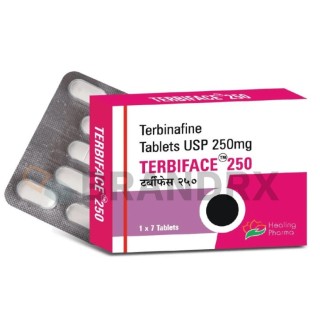
Understanding the Goals of Terbinafine Users
Individuals seeking information about Terbinafine often have specific goals in mind. They may be dealing with a fungal infection and looking for effective treatment options. Many users wish to understand how Terbinafine works, what conditions it treats, and how it compares to other antifungal medications. Misunderstandings about Terbinafine often arise, particularly regarding its usage and the timeline for seeing results. Some might falsely believe that all antifungal medications work equally well, or they may underestimate the severity of their infection, leading them to delay seeking proper treatment or advice. Additionally, users may be confused about the differences between topical and oral forms of Terbinafine, as well as which is appropriate for their situation. Clarifying these aspects is essential for effective treatment and for addressing common misconceptions in the user community.
Internal Mechanics of Terbinafine
Terbinafine belongs to a class of antifungal medications known as allylamines. Understanding how it works internally helps users appreciate its effectiveness. Terbinafine operates primarily by inhibiting the synthesis of ergosterol, a vital component of fungal cell membranes. By disrupting the production of ergosterol, Terbinafine weakens the cell membrane of the fungi, ultimately leading to their death. This mode of action distinguishes Terbinafine from other antifungal drugs, which may operate through different biochemical pathways. Additionally, the parameters that matter when considering Terbinafine include the specific type of fungal infection being treated, the individual's health status, and any underlying conditions that may affect drug metabolism. User adherence to dosage recommendations and the treatment duration is also critical to achieving desired therapeutic outcomes.
Comparing Antifungal Categories to Terbinafine
When comparing Terbinafine to other antifungal medication categories, the principles of efficacy, mechanism of action, and scope of use become significant. Other antifungal medications, such as azoles, work by inhibiting enzymes involved in ergosterol synthesis, but through different biochemical pathways. While Terbinafine's primary focus is on dermatophyte infections, azole antifungals may cover a broader spectrum, including yeasts and systemic fungal infections. Understanding these relationships can help users make informed decisions regarding their treatment options. Additionally, patients prescribed Terbinafine for localized skin infections should be aware of how these treatments affect their conditions compared to broader-spectrum medications. While Terbinafine effectively addresses certain fungal infections, it is essential for users to identify the nature of their infection to choose the most appropriate treatment.
Limitations and Professional Consultation for Terbinafine
While Terbinafine may be effective for many types of fungal infections, it is not suitable for everyone. Certain limitations and contraindications exist, and professional consultation is often necessary. Users should be aware of potential side effects, which can include gastrointestinal disturbances, skin reactions, or hepatic effects. Individuals with liver disease or those taking other medications that may adversely interact with Terbinafine should always consult with a healthcare professional before starting treatment. Professional guidance is invaluable, as it helps ensure that the selected antifungal agent corresponds to the user's specific needs and health profile. Additionally, a healthcare provider can assist in monitoring treatment progress and adjusting therapy as necessary to mitigate any adverse reactions.
Navigating the Terbinafine Information Category
For those looking to explore more about Terbinafine and related topics, navigating this category page can provide valuable insights and resources. Users can find detailed articles covering various aspects of Terbinafine, including its application for specific types of fungal infections, dosage guidelines, potential interactions with other medications, and testimonials from those who have undergone treatment. Additionally, users should explore related topics on fungal infections and other antifungal medications to gain a comprehensive understanding of their options. Engaging with reputable sources and healthcare professionals is crucial for anyone considering Terbinafine, ensuring that they have the necessary information for their decisions. By taking advantage of these resources, users can achieve a more informed approach to their fungal infection treatment.