
Understanding Cholesterol-lowering Drugs
Cholesterol-lowering drugs are commonly prescribed to help individuals manage their cholesterol levels effectively. Many people turn to these medications with specific goals in mind, such as reducing the risk of heart disease, lowering bad cholesterol levels, or improving overall heart health. However, some misunderstandings about these drugs can lead to confusion. For instance, many individuals believe that simply taking these medications will instantly resolve their cholesterol issues, neglecting the importance of lifestyle adjustments such as diet and exercise. Others may assume that all cholesterol-lowering medications work in the same way or have the same effects, which can lead to frustration when experiencing different outcomes.
It is also important to understand that not everyone requires cholesterol-lowering drugs. Some individuals with slightly elevated cholesterol may benefit from lifestyle changes alone, while others with significantly high levels may find medication necessary. Furthermore, these drugs are often part of a broader strategy for heart health, which includes regular check-ups and monitoring of cholesterol levels over time.
How Cholesterol-lowering Drugs Function
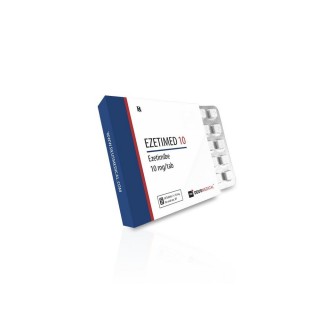
Cholesterol-lowering drugs work through various mechanisms to reduce cholesterol levels and improve overall heart health. The most common types include statins, bile acid sequestrants, niacin, and cholesterol absorption inhibitors. Statins, which are the most frequently prescribed, function by inhibiting an enzyme involved in cholesterol production in the liver. This leads to a decrease in total cholesterol, and particularly low-density lipoprotein (LDL) cholesterol, often referred to as bad cholesterol.
Bile acid sequestrants work by binding bile acids in the intestine, prompting the body to use cholesterol to replace these acids, thus lowering cholesterol levels. Niacin, also known as vitamin B3, can help raise high-density lipoprotein (HDL) cholesterol, the so-called good cholesterol, while also lowering LDL cholesterol and triglycerides. Cholesterol absorption inhibitors, on the other hand, limit the absorption of cholesterol from food in the intestines.
In addition to understanding how these drugs work, it is crucial to consider the parameters that matter when discussing cholesterol-lowering drugs. These parameters include dosage, timing, potential interactions with other medications, and individual health conditions. For example, a patient with a history of liver disease may require close monitoring if prescribed statins, while someone with a sensitivity to certain compounds may need to explore alternative options. Understanding these factors is essential for maximizing the effectiveness of treatment and minimizing potential side effects.
Comparison with Related Medication Categories
Cholesterol-lowering drugs occupy a specific niche within the broader category of cardiovascular medications. While they specifically target cholesterol levels, other categories of heart medications focus on different aspects of heart health. For instance, blood pressure medications work to lower hypertension by affecting blood vessel dilation or heart rhythms, whereas anticoagulants aim to prevent blood clots. These medications often intersect with cholesterol-lowering drugs, as managing cholesterol levels is an essential part of overall cardiovascular health.
In a similar manner, lifestyle medications that promote diet modification and exercise can also play a crucial role in managing cholesterol and heart health. Unlike cholesterol-lowering drugs, which act chemically within the body, lifestyle changes require consistency and commitment but are equally vital in maintaining healthy levels. Understanding these distinctions can help individuals make informed decisions about their health care and the types of interventions that are right for them.
Limitations and Considerations for Use
Despite their benefits, cholesterol-lowering drugs come with limitations and potential contraindications that users need to be aware of. While many individuals experience improvements in their cholesterol levels with these medications, some may encounter side effects such as muscle pain, digestive issues, or liver damage. These side effects underscore the importance of individualized medical assessment before starting a cholesterol-lowering drug.
Moreover, certain medical conditions or concurrent medications can contraindicate the use of specific cholesterol-lowering drugs. For instance, people with a history of liver disease may face increased risks with statins. It is also paramount for individuals to regularly monitor their cholesterol levels and discuss their progress with healthcare professionals, ensuring that their treatment plan evolves as needed. Consulting a healthcare provider not only helps in determining the most appropriate medication but also assists in creating a comprehensive plan that includes lifestyle changes.
Exploring Cholesterol-lowering Drugs
As you navigate this category page on cholesterol-lowering drugs, consider exploring the various types of medications available, their mechanisms of action, and essential information on dosages and potential interactions. Each drug can provide unique benefits and may suit different patient profiles depending on individual needs and health conditions.
Beyond medications, consider the resources available on complementary lifestyle changes that can enhance the effectiveness of treatment. Engaging with dietary suggestions, exercise programs, and methods for monitoring heart health offers a holistic view of managing cholesterol. Remember, the journey to lower cholesterol is not solely dependent on medication; it is a multifaceted approach that combines medical intervention with lifestyle adjustments.
In conclusion, educating yourself about cholesterol-lowering drugs, understanding their functions, considering their limitations, and navigating additional lifestyle recommendations can empower you to take charge of your heart health effectively.