
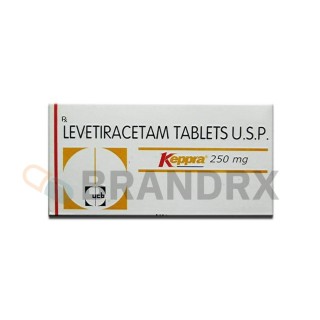
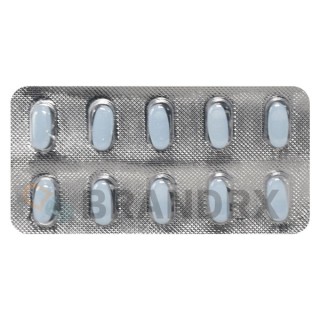
Buy Levetiracetam in the USA
Levetiracetam is a prescription medication primarily used to manage seizures and epilepsy, facilitating the control of various seizure types. It operates by modulating neurotransmitter release, thereby stabilizing abnormal electrical activity in the brain. This medication is available in various forms, including tablets and oral solutions, which cater to individual preferences and needs. One of the notable advantages of Levetiracetam is its flexible dosing options and fast onset of action, enabling tailored treatment plans that can be adjusted as necessary. Individuals who may benefit from Levetiracetam typically include those diagnosed with epilepsy and seizure disorders, as well as specific patients experiencing neurological issues. Its use is characterized by predictability in effect and manageable side effects, allowing doctors to develop a refined approach to therapy.
How to structure practical use
The half-life of Levetiracetam varies, averaging around 7 hours, which suggests that the medication can be taken twice daily. It is recommended to split the total daily dose into two doses, appropriately timed to maintain stable plasma concentration levels. For instance, if the prescribed total daily dose is 1000 mg, taking 500 mg in the morning and 500 mg in the evening can help ensure consistent results. Individuals may experience gastrointestinal discomfort during initial doses; therefore, taking Levetiracetam with food can mitigate this issue. It is imperative to maintain a consistent intake schedule to avoid fluctuations in drug concentration, enhancing its efficacy. Patients should strive to take their medication at the same time daily, which helps maintain therapeutic effectiveness and ensures that seizure control remains stable.
Duration and working ranges
The standard course duration for Levetiracetam can extend from 8 to 12 weeks, allowing sufficient time to assess its effectiveness. Typically, individuals can expect to notice improvements in seizure frequency within the first four weeks of consistent use. For novice users, starting with a lower dosage and gradually adjusting it—usually no more than 500 mg increments every 1-2 weeks—can facilitate the body’s adaptation to the medication, reducing the likelihood of side effects. Experienced users may find that a higher dosage might be necessary, but this should only be pursued under medical supervision. Factors such as physical activity, sleep quality, and nutritional intake can significantly influence the medication's effectiveness; therefore, individuals are encouraged to adopt a balanced lifestyle for optimal results.
State monitoring and expected dynamics
When using Levetiracetam over extended periods, lab monitoring is essential to ensure the safety and effectiveness of treatment. Key indicators include liver enzyme levels, hemoglobin counts, and blood pressure readings. These parameters should initially be checked at the onset of treatment and then reassessed every six to eight weeks throughout the course. Patients may start noticing the therapeutic effects after approximately four weeks, but maintaining those results typically necessitates ongoing monitoring and adherence to the prescribed regimen. Post-cycle therapy is crucial for individuals transitioning off Levetiracetam; this process helps mitigate withdrawal effects and assess the resultant control of seizures without the medication.
Monitoring during intense training
Keeping a symptom diary is crucial while undergoing treatment with Levetiracetam, especially for individuals engaged in intense physical training. Symptoms such as increased fatigue, unusual mood changes, or cognitive difficulties should be monitored closely. Attention should also be given to persistent headaches or gastrointestinal issues, as these may indicate dosage adjustments are necessary. It is recommended that any concerning symptoms prompt an immediate consultation with a healthcare provider. Combining Levetiracetam with other treatments requires caution, and in-person consultations are advised to prevent adverse interactions and ensure holistic care.
Safety and results when using Levetiracetam
Prior to starting treatment with Levetiracetam, it is essential to conduct thorough health checks to identify any potential contraindications. Common contraindications include liver function disorders, pre-existing heart and vascular diseases, oncological conditions, pregnancy and breastfeeding, individuals under the age of 21, and cases of individual drug intolerance. Patients must be aware of these factors and should undergo recommended medical examinations, including liver function tests and cardiovascular evaluations, before initiating therapy. This critical step guarantees not only the safety of the patient but also sets the foundation for effective and sustained results throughout the treatment course. Proper medical oversight can significantly enhance the chances of achieving desired outcomes.