





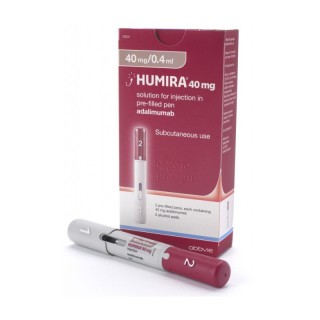

Adalimumab: Overview and Main Purpose
Adalimumab is a monoclonal antibody that functions as an inhibitor of tumor necrosis factor-alpha (TNF-alpha), a pro-inflammatory cytokine. This biologic medication is primarily utilized in the treatment of various autoimmune diseases, including rheumatoid arthritis, Crohn's disease, and psoriasis. By targeting TNF-alpha, Adalimumab effectively reduces inflammation and alters the immune response. The primary purpose of Adalimumab is to alleviate symptoms associated with these chronic conditions, improve the quality of life for patients, and prevent further joint or tissue damage.
Adalimumab is particularly significant in the realm of immunotherapy, providing healthcare providers with a critical tool to combat autoimmune dysregulation. It has gained widespread acceptance and approval within clinical settings due to its efficacy and relative safety profile when used correctly. As a result, it has become a cornerstone medication for many patients suffering from debilitating inflammatory disorders.
Typical Users and Application Contexts
The users of Adalimumab encompass a diverse array of patients dealing with chronic inflammatory conditions. Typical recipients include adults and children diagnosed with rheumatoid arthritis, ankylosing spondylitis, ulcerative colitis, and other related diseases. These patients often experience significant discomfort, pain, and limitations in daily activities due to their conditions.
Adalimumab is frequently prescribed in both outpatient and hospital settings, with healthcare professionals carefully considering individual patient needs and scenarios. Oncologists, rheumatologists, dermatologists, and gastroenterologists are among the specialists who utilize Adalimumab as part of their treatment protocols. In a clinical context, the medication is delivered through subcutaneous injection, often as part of a broader therapeutic regimen that may include other medications and lifestyle modifications tailored to enhance patient outcomes.
Strengths and Distinguishing Characteristics of Adalimumab
Adalimumab stands out in the field of biologics for several reasons, distinguishing it from other treatment alternatives. First and foremost, its targeted mechanism of action offers a more focused approach to managing inflammation compared to traditional systemic therapies. This can lead to improved efficacy and potentially fewer side effects for many patients. Additionally, Adalimumab is unique in its affordability, availability, and the convenience of self-administration, making it accessible for a wide range of patients.
Moreover, the development of biosimilars to Adalimumab has also broadened treatment options, promoting competition and potentially reducing costs for patients while still offering effective therapy. The medication’s established track record and comprehensive clinical guidelines further reinforce its status as a reliable option in the therapeutic arsenal against autoimmune diseases.
Benefits of Adalimumab
Adalimumab provides numerous advantages for patients undergoing treatment for autoimmune conditions. Some of the key benefits include:
- Effective symptom relief: Adalimumab can significantly reduce pain, swelling, and fatigue, improving overall quality of life.
- Long-term disease control: Patients experiencing chronic conditions may find that Adalimumab helps to maintain remission and prevent flares.
- Convenient administration: The medication is provided via subcutaneous injection, allowing for self-administration that enhances patient compliance.
- Established safety profile: Extensive clinical trials and post-marketing studies indicate a relatively favorable safety and tolerability profile for Adalimumab.
- Diverse therapeutic applications: Adalimumab is effective for a range of conditions, making it a versatile option for healthcare providers.
Important Considerations Before Choosing Adalimumab
Before opting for Adalimumab as a treatment option, there are several important considerations to keep in mind. Patients should undergo a thorough evaluation and discuss their medical history with their healthcare provider to identify any contraindications. This medication may not be suitable for individuals with active infections, a history of tuberculosis, or certain underlying health conditions.
Additionally, patients should be aware of possible side effects ranging from injection site reactions to more serious infections. Regular monitoring may be necessary to track the effectiveness of treatment and to watch for adverse events. It is vital for individuals to have an open dialogue with their healthcare provider to weigh the benefits and risks associated with Adalimumab thoroughly. Making informed decisions in conjunction with a healthcare provider can lead to better health outcomes.