



Overview of Paroxetine and Its Common Characteristics
Paroxetine is a selective serotonin reuptake inhibitor (SSRI) widely used to treat various psychiatric conditions. This medication is primarily recognized for its effectiveness in managing depression and anxiety disorders, including generalized anxiety disorder, obsessive-compulsive disorder, panic disorder, and post-traumatic stress disorder. The fundamental principle of action for all products in the Paroxetine category lies in their ability to enhance serotonin levels in the brain, which contributes to improved mood and emotional stability.
Key characteristics common to Paroxetine products include their formulation, which often comes in various strengths and dosage forms, allowing tailored treatment options for patients. Additionally, Paroxetine is known for its relatively rapid onset of action compared to other SSRIs, making it a preferred choice for many healthcare providers. Patients can expect standardized efficacy across the range of available formulations while also considering individual tolerances and possible side effects.
Formats and Forms of Products in This Category
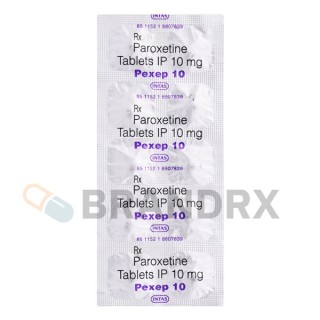
Paroxetine products are mainly available in several formats to cater to different patient preferences and requirements. The most common form is oral tablets, which are easy to administer and can be taken with or without food. Typically, these tablets come in various dosages, allowing healthcare professionals to prescribe the most effective amount tailored to an individual's needs.
Besides regular tablets, Paroxetine may also be available in controlled-release formulations, allowing for a more gradual release of the medication into the bloodstream. This extended-release form can help maintain stable serotonin levels throughout the day, reducing the frequency of dosing while minimizing potential side effects. In some cases, liquid formulations are available, making it easier for individuals who have difficulty swallowing pills. This variety ensures that patients can take Paroxetine in a way that suits their lifestyle and comfort level.
Key Differences Between Paroxetine and Other Related Categories
When comparing Paroxetine to other categories of medications, particularly other SSRIs or antidepressants, several critical differences emerge. One of the most notable aspects is the unique pharmacological profile of Paroxetine, which tends to have a more significant sedative effect due to its serotonin and norepinephrine activity. This can be especially beneficial for patients experiencing insomnia or heightened anxiety states when treated with Paroxetine compared to other SSRIs.
Moreover, Paroxetine possesses an established track record for effectively treating a diverse array of anxiety disorders where other medications may not have achieved similar success. This characteristic makes Paroxetine a robust option for patients who may have previously experienced limited success with first-line treatments and are seeking a more targeted solution. Additionally, potential users should consider the indication-specific benefits that Paroxetine offers, which could be more aligned with their individual treatment goals compared to alternative medications.
Long-Term Effects and Considerations When Using Paroxetine
Using Paroxetine over the long term can yield significant positive effects in managing chronic conditions like depression and anxiety. Many users report sustained improvement in mood, overall emotional regulation, and a reduction in anxiety-related symptoms. However, it is essential for users to be aware of possible long-term effects and contraindications linked to Paroxetine use.
Contraindications for Paroxetine may include pregnant women, as the medication can pose risks to fetal development. Additionally, minors and individuals with certain medical conditions like liver or kidney dysfunction should avoid the use of Paroxetine or discuss alternative options with their healthcare provider. Some users may experience withdrawal symptoms if they abruptly discontinue the medication, highlighting the importance of consulting with a healthcare professional when considering stopping or changing treatment.
Choosing Paroxetine Products and Starting Use
When selecting a product from the Paroxetine category, it's crucial to consult with a healthcare provider who can determine the most appropriate formulation and dosage based on individual medical history and symptom severity. Patients should pay attention to their responses and any side effects experienced during the initial weeks of treatment, as these can guide dose adjustments and treatment continuity.
Before starting Paroxetine, individuals should engage in an open discussion with their healthcare provider regarding their expectations, potential side effects, and any other medications they may be taking to avoid interactions. Following the prescribed regimen consistently is vital to achieve maximum therapeutic benefits. Additionally, maintaining regular follow-ups allows for proper monitoring and management of the treatment plan, ensuring that individual health and recovery goals are being met effectively.