
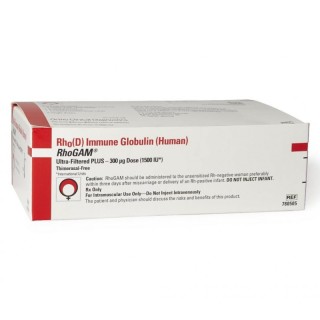
Understanding the Role of Rho(D) Immune Globulin in Healthcare
Rho(D) Immune Globulin serves a crucial function in addressing specific healthcare needs, particularly in preventing Rh incompatibility. This product category is essential for Rh-negative women who are pregnant with Rh-positive babies. Without intervention, this mismatch can lead to serious complications, including hemolytic disease of the newborn (HDN). The risk of maternal Rh immunization can pose significant health challenges, not only to the infant but also to future pregnancies. Therefore, Rho(D) Immune Globulin is vital for reducing the incidence of these complications and ensuring the wellbeing of both mother and child. By understanding these needs, potential buyers can appreciate the importance of Rho(D) Immune Globulin as a preventive measure in maternal-fetal medicine.
Transformative Benefits of Using Rho(D) Immune Globulin
When individuals use products in the Rho(D) Immune Globulin category, they can expect significant health benefits that can transform their pregnancy experience. The primary objective of Rho(D) Immune Globulin is to protect against Rh immunization, which can lead to life-threatening conditions for the newborn. By administering this immune globulin, mothers can prevent antibody formation that would compromise the health of their current or future children. This proactive measure ensures positive health outcomes, reduces anxiety associated with Rh incompatibility, and fosters a healthier pregnancy. Overall, the introduction of Rho(D) Immune Globulin into maternal care represents a significant stride in improving maternal-fetal health outcomes.
Key Advantages of Rho(D) Immune Globulin Products
Products in the Rho(D) Immune Globulin category come with several key advantages that bolster their reputation as a crucial element in maternal healthcare. These advantages include:
- Prevention of Rh Sensitization: Administering Rho(D) Immune Globulin prevents the mother's body from forming antibodies against Rh-positive blood cells.
- Safeguard for Future Pregnancies: By preventing sensitization, mothers are supported in having healthy pregnancies in the future.
- Reduction of Hemolytic Disease: The use of Rho(D) Immune Globulin significantly lowers the risk of HDN, which can cause serious health issues for newborns.
- Ease of Administration: Rho(D) Immune Globulin can be administered via intramuscular injection, providing an effective yet straightforward solution.
- Proven Effectiveness: Clinical studies and medical professionals have established Rho(D) Immune Globulin’s efficacy in preventing complications associated with Rh incompatibility.
Understanding these advantages helps healthcare providers and potential buyers see the value it offers in maternal health management.
Who Should Consider Rho(D) Immune Globulin?
The Rho(D) Immune Globulin group of products is specifically designed for pregnant women who are Rh-negative and may be carrying an Rh-positive baby. Healthcare professionals recommend its use during specific situations, such as after a miscarriage, abortion, or trauma during pregnancy that could cause fetal blood to mix with maternal blood. However, it is important to recognize that not everyone should use these products. Certain contraindications exist, which include:
- Individuals with a history of severe allergic reactions to immune globulins.
- Patients who have IgA deficiency, leading to a risk of anaphylactic reactions.
- Those who have experienced a prior adverse reaction to Rho(D) Immune Globulin products.
- Pediatric patients under 12 years of age, unless otherwise advised by a healthcare provider.
This knowledge empowers users and healthcare providers to make informed decisions regarding the safe and appropriate use of Rho(D) Immune Globulin.
The Long-Term Value of Rho(D) Immune Globulin
In summary, the long-term value of choosing products in the Rho(D) Immune Globulin category cannot be overstated. These products ultimately ensure better health outcomes for mothers and their newborns, reduce the likelihood of future complications, and foster healthier family planning opportunities. As healthcare continues to evolve, the preventive measures offered by Rho(D) Immune Globulin will remain pivotal in safeguarding maternal and child health. For any potential buyer, understanding the critical role this product category plays in healthcare is essential in making informed choices that prioritize health and wellbeing.