

















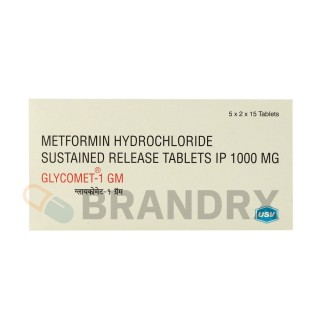









Metformin Hydrochlorid: A Comprehensive Overview
Metformin Hydrochlorid is a widely prescribed medication primarily used in the management of type 2 diabetes. It belongs to the class of drugs known as biguanides, which work by improving insulin sensitivity and decreasing glucose production in the liver. This medication is an essential part of diabetes management, helping to maintain blood sugar levels within a target range, effectively reducing the risk of complications associated with uncontrolled diabetes. By aiding the body's response to insulin, Metformin Hydrochlorid plays a crucial role in the overall treatment strategy for individuals with diabetes, often in conjunction with lifestyle changes such as diet and exercise.
Typical Users and Contexts for Application
Metformin Hydrochlorid is typically used by individuals diagnosed with type 2 diabetes, a condition that affects millions of people across the United States. This medication is often prescribed to adults, including older adults, who may already be managing other health conditions. Apart from diabetes management, Metformin Hydrochlorid is sometimes utilized off-label for conditions such as polycystic ovary syndrome (PCOS) and metabolic syndrome, making it relevant in a broader clinical context.
The medication is primarily administered in a clinical setting, where healthcare providers can monitor the patient's overall health and response to treatment. It can be initiated during routine check-ups, or following abnormal blood sugar test results. Moreover, Metformin Hydrochlorid is beneficial for those who are overweight or obese, as it may assist in weight management when combined with lifestyle changes. Overall, the use of this medication spans various demographics, making it a common choice for diabetes care among both younger and older patients.
Strengths and Distinguishing Characteristics of Metformin Hydrochlorid
What sets Metformin Hydrochlorid apart from other medications in diabetes management is its unique mechanism of action and safety profile. Unlike some other diabetes medications that may lead to weight gain, Metformin Hydrochlorid is associated with weight neutrality or even weight loss in some patients, making it an appealing option for many. Additionally, the risk of hypoglycemia, or dangerously low blood sugar levels, is significantly lower compared to other treatments, such as insulin or sulfonylureas.
An important characteristic of Metformin Hydrochlorid is its ability to improve cardiovascular outcomes for patients with diabetes. Studies have shown that it can reduce the risk of heart disease, a common complication among those with diabetes. Furthermore, it has a long history of use, with established efficacy and safety data, which enhances its credibility among healthcare practitioners. Overall, Metformin Hydrochlorid provides a multifaceted approach to diabetes management, distinguishing itself as a foundational therapeutic agent in clinical practice.
Overview of Benefits of Metformin Hydrochlorid
Metformin Hydrochlorid offers numerous advantages for those managing type 2 diabetes. Its benefits include:
- Improved glycemic control: Metformin Hydrochlorid effectively lowers fasting and postprandial blood glucose levels.
- Weight management: It is associated with weight loss or maintenance, making it suitable for individuals with obesity-related diabetes.
- Reduced risk of hypoglycemia: Compared to other glucose-lowering agents, Metformin Hydrochlorid poses a lower risk of causing dangerously low blood sugar levels.
- Cardiovascular benefits: Research indicates that Metformin Hydrochlorid may lower the risk of heart disease in diabetic patients.
- Cost-effectiveness: As a generic medication, Metformin Hydrochlorid is often more affordable than other diabetes treatments, improving access for many patients.
These benefits contribute to Metformin Hydrochlorid's status as a first-line treatment option for type 2 diabetes, reinforcing its value in clinical settings.
Important Considerations Before Choosing Metformin Hydrochlorid
Before opting for Metformin Hydrochlorid, it is crucial to consider several factors to ensure safe and effective use of the medication. First, it is important to be aware of contraindications such as severe kidney impairment, liver disease, or a history of lactic acidosis, which can increase the risk of serious side effects. Additionally, patients should discuss any existing health conditions and current medications with their healthcare provider to avoid potential drug interactions.
Patients may also experience gastrointestinal side effects, particularly during the initial stages of treatment. It is advisable to start with a low dose and gradually increase it to minimize discomfort. Monitoring kidney function regularly is essential since Metformin Hydrochlorid is primarily excreted through the kidneys. Finally, understanding the importance of lifestyle changes alongside medication is vital for achieving optimal control over blood sugar levels.
In conclusion, while Metformin Hydrochlorid is a powerful tool in managing type 2 diabetes, patient awareness and healthcare provider guidance are essential for maximizing its benefits and minimizing risks.