
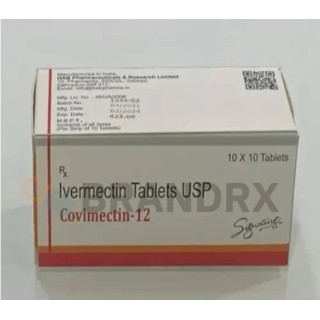
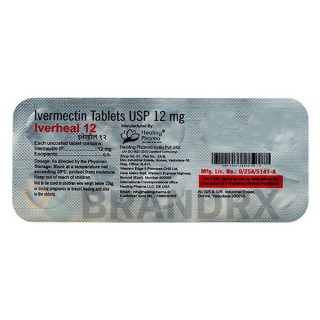

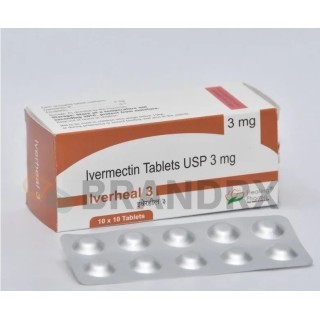
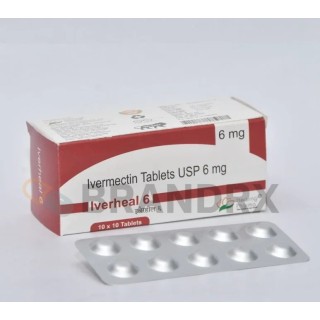




Ivermectin: An Overview of Its Purpose and Applications
Ivermectin is a widely recognized antiparasitic medication that has gained prominence for its effectiveness in treating various parasitic infections in both humans and animals. Originally introduced for animal use in the 1980s, Ivermectin has since been adapted for human medical applications, primarily targeting conditions caused by parasitic organisms such as roundworms, scabies, and certain types of lice. The drug operates by interfering with the transmission of nerve signals in parasites, leading to their paralysis and eventual death. It is crucial for patients experiencing symptoms associated with these infections to consult healthcare professionals to determine if Ivermectin is the appropriate treatment method. Understanding the unique properties and applications of Ivermectin helps in appreciating its role within the pharmaceutical landscape, particularly for those dealing with parasitic infections.
Typical Users and Contexts of Use
The utilization of Ivermectin spans a diverse range of users and situations. Primarily, it is prescribed to individuals suffering from parasitic infections such as onchocerciasis (river blindness), lymphatic filariasis, and strongyloidiasis, ailments that disproportionately affect populations in tropical and subtropical regions. Furthermore, health care providers may recommend its usage in various environments, including community health programs aimed at controlling and preventing the spread of parasitic infections. Ivermectin's application also extends to veterinary medicine, where it is commonly used in livestock to manage parasites. Animal owners often seek veterinary advice on the appropriate use of Ivermectin for the treatment and prevention of parasitic infestations, making it a valuable medication in both human and animal healthcare sectors.
Strengths and Characteristics of Ivermectin
Ivermectin stands out in the realm of antiparasitic medications due to several distinguishing characteristics that enhance its efficacy and usability. First and foremost, its broad-spectrum action allows for the treatment of multiple parasitic infections, making it a versatile choice for healthcare providers. In addition, Ivermectin is generally well-tolerated with a favorable safety profile, allowing it to be used in a wide range of patient populations. Unlike some other antiparasitic agents, Ivermectin can often be administered in a single dose for various conditions, increasing patient compliance and convenience. This drug also continues to be the focus of research, with ongoing studies exploring its potential applications beyond parasitic diseases, such as in the context of viral infections. Overall, Ivermectin's combination of proven effectiveness, safety, and practicality contributes significantly to its standing as a key player in the treatment of parasitic infections.
Benefits of Using Ivermectin
When considering Ivermectin as a treatment option, it is essential to acknowledge the various benefits it offers. Below is a summary of key advantages associated with the use of Ivermectin:
- Effective in treating a range of parasitic infections in humans and animals.
- Typically well-tolerated with minimal side effects for most patients.
- Can often be administered in a single dose, improving adherence to treatment regimens.
- Widely studied with a wealth of clinical data supporting its use and safety.
- Available in both oral and topical formulations for added flexibility in treatment approach.
These advantages justify the ongoing use of Ivermectin across various healthcare settings, underscoring its significance in combating diseases caused by parasitic infestations.
Important Considerations Before Using Ivermectin
Before opting for Ivermectin as a treatment option, several crucial considerations must be taken into account. It is vital for individuals to consult with healthcare professionals to ensure that Ivermectin is appropriate for their specific condition. Contraindications to be mindful of include known hypersensitivity to Ivermectin or any of its components, as well as potential interactions with other medications that may affect its efficacy or safety. Pregnant and breastfeeding women are advised to discuss the implications of Ivermectin usage with their healthcare providers to evaluate potential risks versus benefits. In addition, monitoring for side effects is essential, as reactions can vary from mild to severe, necessitating immediate medical attention in certain cases. Conducting thorough consultations ensures that patients make informed decisions regarding their treatment plans, ultimately leading to more favorable health outcomes.