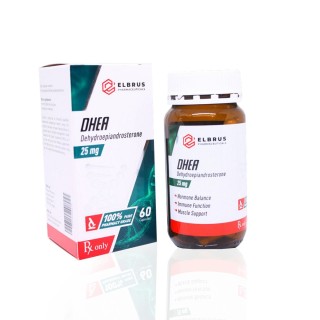
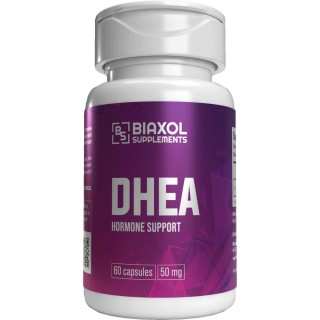
Understanding Dehydroepiandrosteron and Its Popularity
Dehydroepiandrosteron, often referred to as DHEA, is a hormone that plays a crucial role in the production of other hormones in the body, particularly sex hormones like estrogen and testosterone. Users of DHEA supplements often seek to improve their physical performance, enhance muscle mass, increase energy levels, and alleviate symptoms of aging. However, common misunderstandings surround its use. Many people believe that taking DHEA will automatically lead to muscle growth or increased libido without considering individual health factors or the body's natural hormonal balance. While it may offer certain benefits, it is essential to understand that results can vary significantly from person to person.
Another prevalent misunderstanding is the belief that DHEA is a miracle solution for various health problems, including depression, obesity, and low sex drive. Though some studies suggest that DHEA may have positive effects, it is not a substitute for medical treatment. Potential users often overlook the complex nature of hormone regulation in the body, which is influenced by various factors including age, sex, genetics, and pre-existing health conditions.
Exploring the Mechanisms of Hormone Regulation
To comprehend how Dehydroepiandrosteron works within the body, it is crucial to explore the intricacies of hormone regulation. DHEA is synthesized in the adrenal glands and acts as a precursor to sex hormones. Its levels peak in early adulthood and gradually decline with age. This decline can lead to various health issues, prompting some individuals to seek supplementation. However, it is essential to recognize that taking DHEA does not automatically restore optimal hormone levels; it merely supplements the body's existing hormone production.
The effects of DHEA can be influenced by several parameters. Personal health status, age, gender, and existing hormone levels play significant roles in determining how an individual responds to supplementation. For example, a younger individual with normal hormone levels may experience minimal benefits from DHEA supplementation, while an older individual with depleted hormone levels may see more pronounced effects. Moreover, the absorption and metabolism of DHEA can vary based on factors such as diet and lifestyle, further complicating its efficacy.
Comparative Analysis of Hormonal Supplement Categories
When assessing Dehydroepiandrosteron, it is worthwhile to compare it to adjacent categories of hormonal supplements, such as testosterone boosters and estrogen supplements. While all these substances aim to influence hormone levels within the body, they operate on different principles. Testosterone boosters often contain natural extracts designed to enhance the body’s testosterone production, focusing primarily on male health and vitality. Conversely, estrogen supplements are frequently used in the context of menopause or hormonal replacement therapy for women.
Dehydroepiandrosteron stands apart as a versatile precursor, affecting a wider array of hormones. Unlike testosterone boosters that primarily drive muscle mass and libido, or estrogen supplements that target female reproductive health, DHEA operates at a more foundational level, influencing the production of multiple hormones. This multifaceted nature can be appealing, but it also necessitates careful consideration of how it might interact with other hormonal treatments or supplements.
Limitations and Professional Consultation on DHEA Use
Despite its potential benefits, the use of Dehydroepiandrosteron is not without limitations. Not everyone is a suitable candidate for DHEA supplementation. Individuals with certain medical conditions such as hormone-sensitive cancers, adrenal gland disorders, or those who are pregnant or breastfeeding should avoid using DHEA. Moreover, side effects can occur, including acne, hair loss, mood swings, and even changes in hormone levels that may lead to complications such as infertility or cardiovascular issues.
Given the complexities associated with hormone regulation and the potential side effects of supplementation, it is critical to consult a healthcare professional before beginning DHEA supplementation. A medical professional can assess an individual's hormone levels, review their medical history, and provide personalized guidance on whether DHEA is appropriate and beneficial for them. Personalized approaches are vital to safely navigating the world of hormonal supplements.
Navigating the Dehydroepiandrosteron Category
Exploring the Dehydroepiandrosteron category can be an enriching experience for individuals interested in improving their health and wellness. Users are encouraged to take an informed approach by reviewing product descriptions, understanding dosage recommendations, and familiarizing themselves with the latest research on DHEA. Awareness of personal health conditions and ongoing consultations with healthcare providers will enhance the search for appropriate products.
Additionally, individuals should seek out reputable sources and knowledgeable vendors to ensure they receive high-quality supplements. By taking these steps, users can make well-informed choices that align with their health goals and contribute to their overall well-being. Always remember that finding the right balance in hormonal health often requires patience, research, and professional support.