
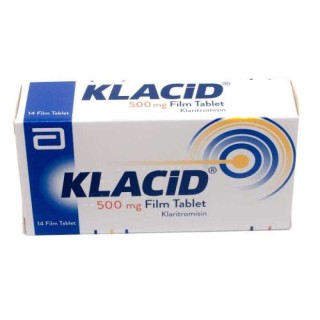

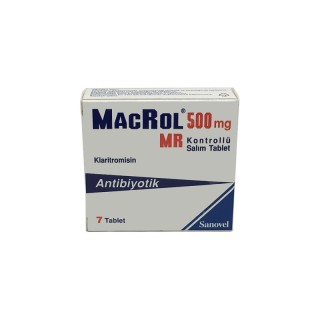



Clarithromycin: An Overview of the Category and Its Main Purpose
Clarithromycin is a widely recognized antibiotic belonging to the macrolide class of medications. It is primarily used to treat various bacterial infections, including respiratory tract infections, skin infections, and certain types of ear infections. Due to its effectiveness in targeting specific bacteria, Clarithromycin plays a crucial role in modern medicine, particularly in cases where patients may be allergic to penicillin or where bacteria have developed resistance to other common antibiotics.
This medication works by inhibiting bacterial protein synthesis, thus slowing down the growth and reproduction of bacteria. Clarithromycin has been demonstrated to be effective against a wide range of gram-positive and some gram-negative bacteria, making it a versatile choice for physicians treating infections that require targeted therapy. Given its unique mechanism of action and broad spectrum of activity, Clarithromycin serves as a fundamental tool in the antibiotic arsenal used in clinical practice.
Typical Users and Contexts for Antibiotic Treatment
Clarithromycin is commonly prescribed to a variety of patients across different demographics. It is frequently utilized in adult patients suffering from respiratory infections like pneumonia or bronchitis and is also effective for children presenting with similar conditions, particularly when they cannot tolerate alternative treatments. Patients with chronic obstructive pulmonary disease (COPD) or other underlying conditions may also benefit from Clarithromycin when flare-ups occur due to bacterial infections.
In addition to treating bacterial infections, Clarithromycin may be indicated for certain types of skin infections and is often a go-to option for patients experiencing sinusitis or dental infections. Healthcare professionals opt for this antibiotic when there is a confirmed or suspected bacterial etiology that requires intervention. Furthermore, it is often dispensed in outpatient settings, especially through primary care physicians, urgent care clinics, and specialized infection disease practices.
Strengths and Distinguishing Characteristics of Clarithromycin
Clarithromycin stands out in the pharmaceutical landscape because of its unique characteristics and advantages over other antibiotics. One of the primary strengths is its extended half-life, allowing for more convenient dosing schedules, which can enhance patient compliance. This property means patients may only need to take Clarithromycin twice a day instead of multiple times throughout the day, simplifying the treatment process.
Another distinguishing feature is its activity against atypical pathogens, such as Legionella pneumophila and Mycoplasma pneumoniae. This makes Clarithromycin especially beneficial for treating community-acquired pneumonia, where such pathogens may be responsible for infection. Additionally, it is effective against Helicobacter pylori, making it an essential part of combination therapy for peptic ulcer disease.
Clarithromycin Benefits: A Balanced Overview
The advantages of Clarithromycin extend beyond its effectiveness in managing infections. Here is a numbered list of key benefits:
- Broad Spectrum: Clarithromycin is effective against a diverse range of bacteria, including some resistant strains, making it suitable for various infections.
- Convenient Dosing: The relatively long half-life allows for twice-daily dosing, improving adherence among patients.
- Minimal Side Effects: Generally, patients tolerate Clarithromycin well, with fewer gastrointestinal side effects compared to other antibiotics.
- Anti-inflammatory Properties: In addition to its antibacterial effects, Clarithromycin has been noted for possessing anti-inflammatory properties that can aid in treating certain inflammatory conditions.
- Effective in Combination Therapy: Clarithromycin is often used in conjunction with other medications to treat complex infections, particularly for H. pylori eradication.
Important Considerations Before Choosing Clarithromycin
Before selecting Clarithromycin as a treatment option, several vital considerations must be reviewed. First and foremost, it is crucial to assess the patient’s medical history for any known allergies, particularly to macrolide antibiotics, as this could lead to adverse reactions. Additionally, patients with liver disease may require modified dosing or alternative therapy, as Clarithromycin is predominantly metabolized by the liver.
It is also essential to conduct sensitivity testing when indicated, especially in cases of recurrent infections, to ensure that the bacteria remain susceptible to this antibiotic. Clarithromycin may interact with other medications, such as certain anticoagulants, statins, and antiarrhythmics, leading to enhanced effects and increased risk of side effects.
Lastly, while Clarithromycin is effective, it should be used judiciously to avoid contributing to antibiotic resistance. It is advisable to reserve its use for cases where bacterial infections are confirmed or highly suspected, in accordance with current clinical guidelines.