
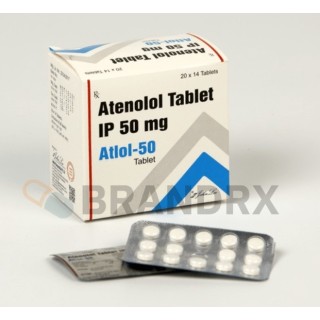
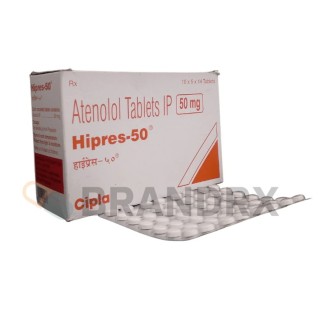
Atenolol: Understanding Its Core Characteristics and Function
Atenolol is a widely prescribed medication belonging to the class of beta-blockers, primarily utilized to manage cardiovascular conditions. All products within the Atenolol category share common principles of action that focus on targeting beta-adrenergic receptors in the heart. By blocking these receptors, Atenolol effectively reduces heart rate, decreases myocardial contractility, and lowers blood pressure, thereby making it a crucial treatment option for various heart-related ailments. Additionally, its anti-anginal properties help improve exercise tolerance in patients with coronary artery disease.
The key characteristics of products in this category include their ability to alleviate symptoms associated with hypertension and heart rhythm disorders. These medications are generally well-tolerated and can be used alone or in conjunction with other antihypertensive agents. Patients may also benefit from Atenolol’s pharmacokinetic profile, which allows for once-daily dosing, enhancing medication adherence.
Exploring Variants and Formats of Atenolol Products
Products in the Atenolol category are available in various forms to accommodate patient preferences and therapeutic needs. The most common formats include oral tablets and extended-release formulations. Oral tablets provide a convenient option for patients who prefer traditional pill forms, while extended-release versions are designed to deliver a steady dose of the medication over an extended period. This can be particularly beneficial for patients who require consistent therapeutic levels of the drug throughout the day.
Additionally, Atenolol may be available in different strengths, allowing healthcare providers to tailor dosages to individual patient requirements. It's essential for patients to work closely with their healthcare professionals to select the appropriate form and dosage based on their specific health conditions and treatment goals.
Choosing Atenolol Over Other Beta-Blockers
One of the most notable differences between Atenolol and other beta-blockers is its selective action. While many beta-blockers affect both beta-1 and beta-2 receptors, Atenolol primarily targets beta-1 receptors located in the heart. This selective action reduces the potential for side effects such as bronchoconstriction, making Atenolol a suitable choice for patients with respiratory conditions, such as asthma or chronic obstructive pulmonary disease (COPD), who may be at risk if using non-selective beta-blockers.
Furthermore, Atenolol’s pharmacological profile makes it particularly effective in treating hypertension, angina, and heart rhythm disturbances. It has a long history of clinical use, contributing to its reputation within the medical community. Users should consider Atenolol when looking for a medication that balances efficacy with reduced side effects, particularly if they have specific cardiovascular concerns or comorbid conditions that warrant careful management.
Long-term Effects and Considerations for Atenolol Use
Long-term use of Atenolol can lead to significant improvements in cardiovascular health, including reduced blood pressure and lower heart rate, which collectively contribute to decreased risks of heart attack and stroke. Patients often experience an improved quality of life as symptoms are managed effectively over time. Nevertheless, it is crucial to recognize that, like all medications, Atenolol is not suitable for everyone. Contraindications include individuals with certain heart conditions, such as severe bradycardia or cardiogenic shock, as well as those with specific respiratory issues.
Pregnant women should also consult their healthcare providers, as Atenolol can cross the placenta and may have implications for fetal development. Additionally, patients with diabetes must exercise caution, as beta-blockers can mask some symptoms of hypoglycemia. Thus, it's essential to engage in open communication with healthcare providers to assess risks and benefits before initiating treatment.
Practical Tips for Selecting and Using Atenolol Products
When considering Atenolol products, it is advisable to begin with a thorough consultation with a healthcare provider to assess individual needs and underlying health conditions. Patients should outline their medical history, current medications, and any allergies or intolerances to help pharmacists or doctors recommend the most appropriate formulation and dosage.
Once prescribed, adherence to the treatment regimen is crucial. Patients should always take Atenolol as directed, typically once daily, and can take it with or without food. Monitoring blood pressure and heart rate regularly can help determine the medication's effectiveness and any need for dosage adjustments. Additionally, patients are encouraged to maintain a healthy lifestyle, including a balanced diet and regular exercise, to support their overall health and enhance the medication's benefits.
In summary, selecting and starting Atenolol requires careful consideration and a collaborative approach with healthcare professionals, ensuring the best possible outcomes tailored to the individual's health needs.