

Liraglutide: A Comprehensive Overview
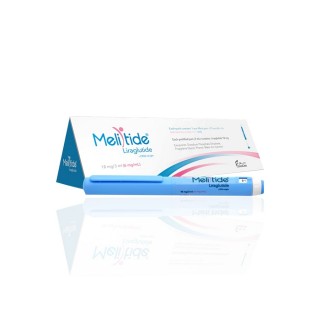
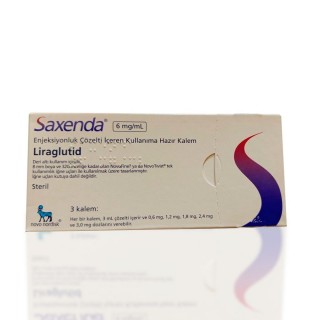
Liraglutide is a medication primarily used for the management of type 2 diabetes and obesity. This injectable prescription drug mimics the effects of glucagon-like peptide-1 (GLP-1), a hormone that plays a crucial role in regulating appetite and insulin secretion. By enhancing the body's natural mechanisms to control blood sugar levels and promote weight loss, liraglutide has gained significant attention as a therapeutic option for individuals struggling with these conditions. Its efficacy and unique mode of action place it in a distinct category among weight management and diabetes treatment solutions.
Typical Users and Contexts for Liraglutide
This medication is typically prescribed to adults diagnosed with type 2 diabetes, particularly when lifestyle interventions and other oral medications are insufficient in controlling blood glucose levels. Additionally, liraglutide is also utilized for weight management in individuals with a body mass index (BMI) of 30 or higher, or those with a BMI of 27 or higher who have related health conditions such as hypertension or dyslipidemia. Users may include individuals seeking to improve their metabolic health or enhance weight loss efforts after other methods have proven ineffective. Liraglutide is administered as part of a broader treatment plan that includes dietary changes and increased physical activity, helping maximize long-term outcomes.
Strengths and Distinguishing Characteristics of Liraglutide
Liraglutide sets itself apart from other diabetes treatments and weight-loss medications through several key attributes. Firstly, its mechanism of action as a GLP-1 receptor agonist not only improves insulin sensitivity but also aids in glucose-dependent insulin secretion, minimizing the risk of hypoglycemia. In contrast to some traditional weight-loss drugs that may stimulate appetite suppression, liraglutide promotes a feeling of fullness, aiding in dietary control. Moreover, the medication's ability to sustain weight loss over extended periods has been supported by various clinical trials, making it a robust option for individuals seeking long-term health improvements. Furthermore, liraglutide has been associated with cardiovascular benefits, demonstrating a reduced risk of major adverse cardiovascular events in certain groups of patients.
Key Advantages of Liraglutide
- Effective glycemic control: Liraglutide has proven efficacy in lowering HbA1c levels, helping individuals reach their target blood glucose levels.
- Weight loss support: Clinical evidence suggests that patients using liraglutide may achieve significant weight reduction, making it advantageous for those struggling with obesity.
- Cardiovascular benefits: Studies indicate that liraglutide may reduce the risk of heart attack and stroke in high-risk populations, contributing to overall health improvement.
- Once-daily injection: The convenience of a daily injection simplifies the administration process, making it easier for patients to incorporate into their daily routines.
- Reduces appetite: By enhancing feelings of satiety, liraglutide helps users make healthier dietary choices and resist overeating.
Important Considerations Before Choosing Liraglutide
Before initiating treatment with liraglutide, patients should consult healthcare professionals to discuss their medical history and evaluate any contraindications. Notably, liraglutide is not recommended for individuals with a personal or family history of medullary thyroid carcinoma (MTC) or multiple endocrine neoplasia syndrome type 2 (MEN 2). Additionally, caution is advised for those with a history of pancreatitis, as the medication may increase the risk of this condition. Side effects such as nausea, vomiting, diarrhea, and potential allergic reactions should also be considered. Regular monitoring by healthcare providers is essential to ensure safety and effectiveness throughout the treatment journey, enabling timely adjustments as necessary. Patients are encouraged to prioritize open communication with their healthcare team regarding any concerns or unusual symptoms experienced during therapy.