














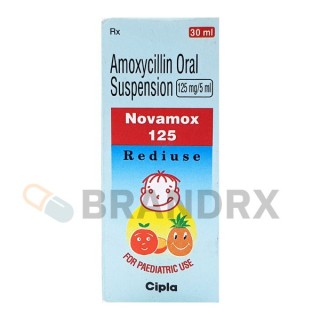


Amoxicillin: A Comprehensive Overview of a Key Antibiotic
Amoxicillin is a widely used antibiotic that belongs to the penicillin group of medications. It is predominantly prescribed to treat various bacterial infections, including those affecting the ear, nose, throat, urinary tract, and skin. The primary function of Amoxicillin is to inhibit the growth of bacteria by disrupting their cell wall synthesis, thereby leading to bacterial cell death. This category of medication is favored due to its efficacy, safety profile, and versatility in treating both acute and chronic infections. As a result, Amoxicillin has become a staple in both outpatient and inpatient healthcare settings, making it an essential component of infectious disease management.
Typical Users and Contexts of Use
Amoxicillin is typically prescribed to a diverse range of patients, including children and adults, who present with bacterial infections. Common contexts for its use include pediatric practices, general medicine, and in some cases, dental practices where infection management is required. Patients seeking treatment for conditions such as strep throat, pneumonia, or sinus infections are among the typical users of Amoxicillin. Additionally, individuals undergoing surgeries that require antibiotic prophylaxis may also be prescribed this antibiotic. Because of its broad spectrum of activity and favorable pharmacokinetics, Amoxicillin ranks high among first-line treatments for bacterial infections in various healthcare settings. Its oral bioavailability makes it particularly appealing for outpatient treatment, allowing patients to complete their course of antibiotics conveniently at home.
The Strengths of Amoxicillin Compared to Related Antibiotics
Amoxicillin offers several strengths that distinguish it from other antibiotics in its class. Its spectrum of activity is broad, effective against a wide range of Gram-positive and some Gram-negative bacteria, which allows for its use in treating multiple types of infections. One of its defining characteristics is its resistance to gastric acid, which means that it can be taken orally without the need for specific timing concerning food intake. This leads to higher patient compliance, as many individuals prefer not to adhere to strict dietary guidelines during treatment. Furthermore, Amoxicillin has an established safety profile, making it suitable for use in a wide array of patient populations, including those who are pregnant or breastfeeding, under appropriate medical supervision. In addition, the availability of generic formulations has made it more accessible and affordable, highlighting its utility in both community health and hospital settings.
Benefits of Amoxicillin: Key Advantages
- Broad-spectrum efficacy: Amoxicillin effectively targets a wide range of bacterial pathogens, making it a versatile choice for various infections.
- Oral administration: Its oral formulation allows for convenient administration, enhancing patient compliance and adherence to treatment.
- Established safety profile: Amoxicillin is generally well-tolerated, with minimal side effects, making it a preferred option in many populations.
- Availability of generics: The presence of generic versions makes Amoxicillin more accessible and cost-effective for patients.
- Prevention of bacterial resistance: When used appropriately, Amoxicillin can help in combating issues of antibiotic resistance by targeting specific bacteria effectively.
These advantages contribute to the ongoing importance of Amoxicillin in the therapeutic landscape, ensuring its place as a go-to antibiotic for healthcare providers worldwide.
Important Considerations Before Choosing Amoxicillin
While Amoxicillin is an effective and often safe choice for treating bacterial infections, there are important considerations that patients and healthcare providers should keep in mind before initiating treatment. First, it is crucial to confirm that the infection is indeed of bacterial origin, as Amoxicillin will not be effective against viral infections. Second, patients with a known allergy to penicillin or other beta-lactam antibiotics should avoid Amoxicillin due to the risk of serious allergic reactions. Additionally, patients with a history of liver problems or those taking medications that may interact with Amoxicillin should consult their healthcare provider prior to use. Lastly, it is vital to complete the entire prescribed course of Amoxicillin to ensure the infection is fully treated and to help prevent the development of antibiotic resistance. By considering these factors, patients can ensure safer and more effective use of Amoxicillin as part of their treatment plan.