
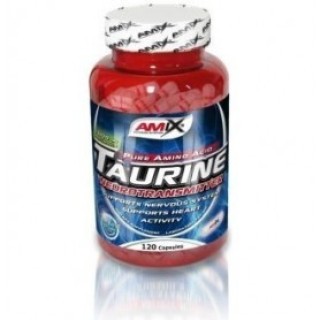
Understanding the Role of Taurine in Health and Nutrition
Taurine is a naturally occurring amino sulfonic acid that has garnered considerable attention for its role in various bodily functions. Individuals interested in nutritional supplements often seek taurine for its potential benefits, ranging from improved athletic performance to enhanced cognitive function. Common misunderstandings about taurine may arise from its classification as an amino acid. Unlike typical amino acids that are primarily used to build proteins, taurine has unique properties and functions. Many users may believe that all amino acids serve the same purpose in the body, leading to confusion about taurine's specific benefits and applications.
As people strive for optimal health, they increasingly rely on taurine supplements in their diets. Goals may include reducing fatigue, boosting energy levels, improving heart health, or optimizing insulin sensitivity. However, individuals may overlook the need to assess their specific health conditions or dietary needs before considering taurine supplementation. It is essential for consumers to differentiate taurine from other amino acids and to understand its distinct biochemical mechanisms that can impact health.
Key Factors Influencing Taurine Supplementation
When looking into taurine supplementation, several factors come into play that can influence its effectiveness. The bioavailability of taurine is one such parameter, referring to the proportion of taurine that can effectively enter circulation and exert its effects after ingestion. Factors such as dosage, the form in which taurine is consumed, and individual metabolism can significantly affect how well it works in the body.
The timing of supplementation is another critical aspect to consider. For those aiming to enhance athletic performance, taking taurine before workouts may be beneficial, while other individuals might prefer taking it at different times based on their specific health goals. Additionally, the presence of other nutrients in the diet can affect taurine’s efficacy, as certain vitamins and minerals may augment or inhibit its action within the body.
Furthermore, users should be aware of their lifestyle choices, such as diet and exercise routine, as these can interact with taurine supplementation. For instance, a diet deficient in protein sources might affect taurine levels, while regular exercise may enhance the nutrient's utilization in the body. Understanding these key factors can help users maximize the potential benefits of taurine in their health regimen.
Comparative Insights on Nutritional Supplements
While taurine holds a specific role in nutrition, it is essential to compare it to adjacent nutritional categories, such as vitamins, minerals, and other amino acids. Each category features distinct characteristics and principles. For instance, while vitamins play critical roles as co-factors in metabolic processes, taurine primarily aids in cellular processes, such as osmoregulation and bile salt formation. This difference in function illustrates the diverse nature of nutrients and emphasizes the need for a well-rounded approach to nutrition.
Moreover, minerals, which are inorganic elements, serve different functions such as enzymatic activity and structural integrity in the body. In contrast, taurine’s role is centered more on specific biological processes rather than broad-scale support. Recognizing these distinctions can help consumers understand where taurine fits within their overall nutritional strategy and how it can interact with other nutrients, thereby affecting overall health and wellness.
Limitations and Precautions with Taurine Use
Despite the potential benefits associated with taurine, it is important to consider limitations and contraindications that may apply. Individuals should be cautious if they have pre-existing health conditions or are on medications that may interact adversely with taurine. For example, those with specific metabolic disorders or allergies should consult healthcare professionals before experimenting with taurine supplementation.
Moreover, the effectiveness of taurine varies from person to person, influenced by genetics, existing health status, and lifestyle choices. As such, it is advisable for individuals to approach taurine supplementation thoughtfully, recognizing that it is not a one-size-fits-all solution for health enhancement. Consulting with a healthcare professional or a registered dietitian can help clarify whether taurine is appropriate for a person’s unique health goals and dietary needs.
Navigating the Taurine Supplement Landscape
Exploring taurine supplements requires an understanding of the various options available and how to effectively navigate this category. Users should consider starting with reputable sources for information and products to ensure quality and safety. When researching taurine, look for peer-reviewed studies and credible health websites for the latest findings on its efficacy and potential side effects.
In terms of products, consumers may encounter standalone taurine supplements, those combined with other performance-enhancing ingredients, or even taurine-rich foods. Empowering oneself with knowledge about dosage recommendations, potential interactions, and targeted benefits can aid in making informed decisions. Ultimately, the path to understanding taurine and integrating it into a personal health regimen should be guided by thorough research and professional guidance.