








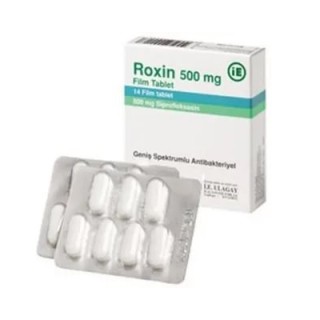
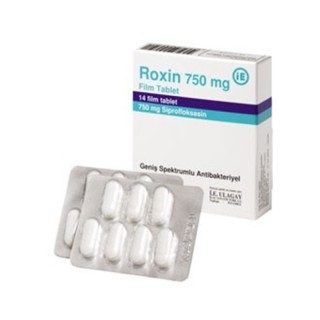
Antibacterial drugs: Definition and Function
Antibacterial drugs are a critical category of medications designed to combat bacterial infections. They work by either killing bacteria or inhibiting their growth, making them essential in treating various illnesses caused by harmful microorganisms. By targeting the specific mechanisms that bacteria use to survive and reproduce, antibacterial drugs help to eliminate the infection, allowing the patient's immune system to recover and restore health. Used appropriately, these drugs can effectively treat a range of conditions, from minor infections to serious diseases. As advancements in medical science continue to evolve, the development of new antibacterial agents remains a vital aspect of healthcare.
Common Uses and Importance of Professional Guidance
Antibacterial drugs are commonly prescribed in numerous situations, including urgent care for acute infections such as pneumonia, urinary tract infections, strep throat, and skin infections. They are also used as prophylactic measures in certain surgical procedures. However, it is crucial to understand that not all infections require antibacterial treatment, especially when caused by viruses. Thus, seeking professional medical advice before using these medications is extremely important. A healthcare provider can determine whether an antibacterial drug is appropriate based on diagnostic tests, medical history, and potential drug interactions.
Determining if Antibacterial Drugs are Right for You
Understanding whether antibacterial drugs are suitable for your needs involves evaluating specific health criteria and real symptoms. It is advisable to consider the following benefits or criteria:
- You have been diagnosed with a bacterial infection.
- Your symptoms include high fever, persistent pain, or significant discomfort.
- You have not responded to over-the-counter treatments for an extended period.
- You have specific health conditions that require immediate intervention.
- Your healthcare provider has recommended antibacterial therapy after assessing your symptoms.
Antibacterial drugs can be highly effective for individuals fitting these criteria; however, always follow the guidance of your healthcare professional to ensure safe and effective treatment.
Choosing the Right Antibacterial Product
When selecting an antibacterial drug, there are several key factors to consider. It's important to evaluate the type of bacteria causing your infection to choose an appropriate drug. Additionally, consider the form of the medication, such as oral pills, topical ointments, or intravenous options, as this can significantly impact treatment effectiveness. Patients should also review potential contraindications; some individuals may not be suitable candidates for antibacterial treatment, including:
- Pregnant or breastfeeding women, without proper medical supervision.
- Children, as their developing bodies may react differently to certain medications.
- Individuals with a known allergy to certain antibacterial agents.
- Patients with chronic health conditions, such as liver or kidney disease, which may affect drug metabolism.
Always consult with a healthcare provider to ensure that the selected antibacterial product aligns well with your specific health needs and conditions.
Conclusion and Next Steps
In summary, antibacterial drugs are an essential tool in the fight against bacterial infections, providing effective relief and recovery for those experiencing illness. Before using any antibacterial medication, it is imperative to seek professional medical advice to determine its suitability and necessary dosage. If you believe that antibacterial drugs could benefit your health situation, we encourage you to browse our extensive range of products to find the most appropriate option for your needs. Take the next step towards recovery by consulting a provider and exploring the available choices in our antibacterial drugs category.