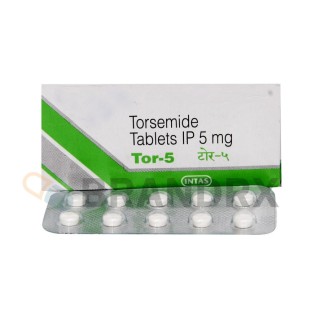
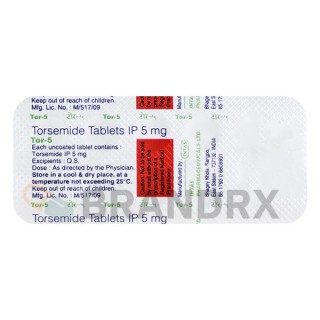
Understanding Torasemide Benefits and Misconceptions
Torasemide is a loop diuretic commonly prescribed to help manage fluid retention in conditions such as congestive heart failure and hypertension. Many individuals seek torasemide for its potential to alleviate symptoms associated with these conditions, including swelling and high blood pressure. However, there are some common misunderstandings among users that can affect their expectations and experiences with the medication.
One prevalent misconception is that torasemide is a quick fix for weight loss or a solution for all water retention issues. While it effectively reduces excess fluid in patients with specific medical conditions, it is not intended for weight loss or casual usage. Understanding the clinical indications for torasemide is essential for patients to avoid misuse and ensure they are utilizing the medication effectively under a healthcare provider's guidance.
Moreover, some individuals may believe that diuretics like torasemide work solely by flushing water out of the body. Although this is a significant aspect of how they operate, torasemide also influences electrolyte balance and kidney function, which can play a critical role in overall health. This insight helps users appreciate the complexity of how torasemide functions and the importance of proper medical advice for its use.
Mechanisms of Diuretic Action
At the core of torasemide's effectiveness lies its ability to inhibit sodium and chloride reabsorption in the loop of Henle, a section of the nephron in the kidneys. By blocking these reabsorption pathways, torasemide induces increased urine production, which helps in reducing excess fluid buildup in the body. This action is vital for patients suffering from heart failure, as it helps alleviate the burden on the heart and improve overall circulation.
The renal response to diuretics is influenced by various parameters, including dosage, frequency of administration, and patient-specific factors such as kidney function and existing medical conditions. Understanding these mechanisms allows healthcare professionals to tailor treatment regimens and adjust dosages to achieve optimal results while minimizing potential side effects.
Additionally, the choice of torasemide over other diuretics can be based on its pharmacokinetics, which refers to how the medication is absorbed, distributed, metabolized, and excreted. Compared to other loop diuretics, torasemide has a longer half-life, enabling less frequent dosing and potentially more stable serum levels. This property often makes it a preferred option for chronic conditions, as it can simplify medication adherence.
Comparative Analysis of Diuretic Classes
To fully appreciate the role of torasemide, it is essential to contrast it with other classes of diuretics, including thiazides and potassium-sparing diuretics. Thiazide diuretics, for example, primarily reduce blood pressure and tackle mild fluid retention, whereas loop diuretics like torasemide are more effective for significant fluid overload scenarios that often accompany heart failure.
Meanwhile, potassium-sparing diuretics offer an alternative approach, typically preserving potassium levels in the body while still promoting fluid elimination. This particular characteristic can be beneficial for users concerned about further electrolyte imbalances, a common side effect associated with loop diuretics.
Recognizing these distinctions helps patients better understand their treatment options and facilitates informed discussions with healthcare professional. Each category of diuretic has specific indications, benefits, and potential drawbacks, which must be considered when determining the most effective diuretic for an individual’s medical needs.
Considerations and Risks Associated with Torasemide
As with any medication, torasemide is not without its limitations and contraindications. It is crucial for patients to consult with healthcare professionals before starting the medication, especially those with a history of allergies to sulfonamide drugs, liver issues, or significant renal impairment.
There are several side effects associated with torasemide, including hypotension, dehydration, and alterations in electrolyte levels, which can lead to serious complications if not monitored closely. Regular follow-ups that include blood tests to check electrolyte levels may be necessary for patients on long-term torasemide therapy.
A healthcare provider should evaluate symptoms that might suggest an adverse reaction, including excessive thirst, confusion, or unusual muscle cramps. Profesional consultation is imperative for ensuring that torasemide is used safely and effectively tailored to the individual's health profile.
Navigating the Torasemide Resource Center
To explore more about torasemide, it is important to utilize the resources available on this category page. This includes access to in-depth articles and detailed information regarding usage guidelines, safety profiles, and potential interactions with other medications.
Users are encouraged to read through the information carefully and make use of links to professional resources that provide broader insights into diabetes management, fluid overload conditions, and related therapeutic options. This navigation can enhance understanding and empower users to make informed health decisions.
Utilizing the search function can simplify finding specific aspects of torasemide, such as side effects, interaction details, and recommendations for monitoring during treatment. This approach ensures that you gain comprehensive knowledge about torasemide and its role in managing your health condition, enabling effective communication with your healthcare provider.