
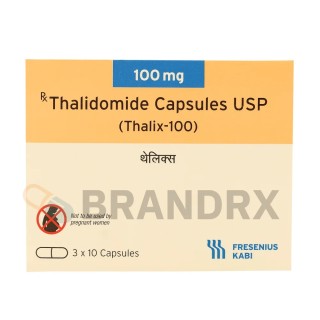

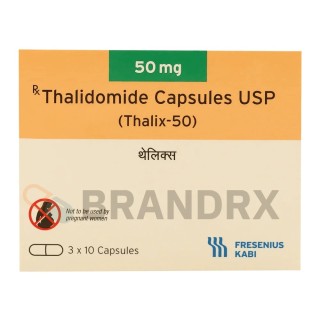

Understanding Thalidomide and Its Implications
Thalidomide is a medication that has a complex history, often characterized by significant misunderstandings. Many people commonly associate it solely with the tragic consequences that arose in the 1950s and 1960s due to its use by pregnant women. Although it is primarily known for its teratogenic effects, which led to severe birth defects, Thalidomide has since found a place in modern medicine for treating specific conditions like multiple myeloma and leprosy. A typical user's goal is to gain insight into both its medicinal benefits and the serious risks associated with its use. Unfortunately, this often leads to confusion about its safety profile, as many misinterpret past situations as indicative of current applications. Users may seek information about its mechanisms of action, its approval status, and available forms, all while contending with a plethora of clinical and anecdotal narratives surrounding the drug.
Internal Mechanisms of Thalidomide
The category surrounding Thalidomide operates through a complex interaction of pharmacological properties. Primarily an immunomodulatory agent, Thalidomide has been shown to inhibit certain pro-inflammatory cytokines, thereby regulating the immune response. This characteristic makes it particularly valuable in conditions where modulation of the immune system is needed, such as in the treatment of multiple myeloma. However, the internal mechanisms also raise concerns due to its ability to cross the placenta, leading to significant challenges when considering its use in pregnant individuals. The effectiveness of Thalidomide also depends on several parameters including dosing regimen, patient tolerance, and monitoring for adverse effects. These interconnected factors are critical for ensuring that patients experience therapeutic benefits while minimizing risks, especially given its potential for severe side effects.
Comparative Analysis of Therapeutic Categories
When comparing Thalidomide to adjacent therapeutic categories, it becomes evident that not all medications with immunomodulatory effects carry the same risk profile. For instance, other immunomodulators like corticosteroids and newer biologics may offer similar benefits without the same potential for teratogenic effects. Additionally, categories dealing with cancer therapies and pain management differ in their mechanisms and safety concerns. While Thalidomide targets specific immune pathways, other medications may employ entirely different biochemical strategies. Such distinctions are crucial for healthcare providers and patients alike, as they navigate the landscape of treatment options. The varying principles between these categories emphasize the importance of tailored approaches in therapy, ensuring that the specific needs of a patient are met while also considering safety as a paramount concern.
Risks and Professional Recommendations for Thalidomide
The limitations and contraindications of Thalidomide cannot be overlooked. Due to its association with severe birth defects, it is contraindicated in women who are pregnant or planning to become pregnant. Furthermore, due to its side effects, such as neuropathy and thrombosis, patients often require careful monitoring and follow-up consultations with healthcare professionals. It is critical for individuals to engage in thorough discussions about their medical history and potential risks before initiating therapy with Thalidomide. Professionals also highlight the need for contraception use in women of childbearing age during the treatment and afterward, as the drug can have lingering effects. These stringent guidelines underscore the importance of professional consultation, making it essential for patients to understand their individual circumstances before proceeding with Thalidomide as a treatment option.
Exploring the Landscape of Thalidomide Information
Navigating the complexities of Thalidomide requires careful exploration and consideration of various information sources. This category page is designed to provide a comprehensive overview, detailing not only the drug's history and therapeutic applications but also its risks and regulatory status. Users are encouraged to delve into specific sections that address clinical studies, patient testimonials, and safety guidelines. Understanding Thalidomide extends beyond a cursory glance; it involves recognizing the nuanced discussions surrounding its utilization in modern medicine. By gaining a well-rounded view, users can make informed decisions about their healthcare needs and engage meaningfully with their healthcare providers. As you explore the resources available, consider the importance of a balanced perspective and the contributions of ongoing research to improve patient outcomes involving Thalidomide.