





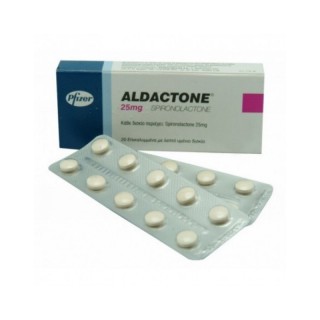
Understanding Diuretic as a Category
Diuretics are a significant category of medications and natural substances that promote the excretion of water and electrolytes from the body, primarily through urine. They are often utilized in medical settings to manage a range of health conditions such as hypertension, heart failure, and edema. By facilitating the removal of excess fluid, diuretics can help to alleviate symptoms associated with these conditions, improving patient quality of life. The primary purpose of diuretics is to reduce blood volume, lower blood pressure, and eliminate excess fluid retention. Understanding the distinct types of diuretics, their mechanisms of action, and their therapeutic benefits is essential for healthcare providers, patients, and caregivers alike.
Typical Users and Contexts for Usage
Diuretics are commonly prescribed to various demographic groups facing specific health challenges. Patients with conditions such as hypertension may rely on diuretic therapy to help manage their blood pressure levels effectively. Individuals diagnosed with heart disease or failure may use diuretics to control fluid buildup in the body, which can lead to comprehensive health issues if left unaddressed. Additionally, diuretics may be beneficial for patients suffering from liver disease and certain kidney disorders, including those with nephrotic syndrome. Besides prescribed users, diuretics may occasionally appeal to individuals seeking weight loss or body composition changes, although such usage should be approached with caution due to potential health risks. In all instances, supervision by a healthcare professional is critical to ensure safety and efficacy.
Strengths and Distinguishing Characteristics of Diuretic
Diuretics stand out from related categories of medications due to their unique mechanisms and outcomes. Primarily differentiated into three classes—thiazide, loop, and potassium-sparing diuretics—their actions, side effects, and applications vary considerably. Thiazide diuretics, for instance, are primarily indicated for hypertension management, focusing on distal tubules in the nephron to facilitate sodium and water excretion. Loop diuretics are noted for their potent efficacy in removing fluid and are often utilized in acute settings, such as heart failure flare-ups. On the other hand, potassium-sparing diuretics maintain potassium levels while still promoting diuresis, making them useful in patients at risk of hypokalemia. Each category offers distinct advantages based on patient needs, and careful selection based on individual clinical scenarios is crucial for achieving optimal therapeutic outcomes.
Key Benefits of Diuretic
Diuretics offer several therapeutic advantages that contribute to their widespread use in medical practice. Here are some key benefits:
- Effective management of hypertension, reducing the risk of stroke and heart attack.
- Reduction of edema associated with heart failure, cirrhosis, and renal dysfunction.
- Facilitation of weight management by promoting fluid loss, particularly in short-term contexts.
- Improvement of exercise tolerance in heart failure patients by decreasing pulmonary congestion.
- Versatility in treating multiple conditions, ranging from hypertension to kidney disorders.
Important Considerations before Choosing Diuretic Products
Before selecting a diuretic, it is vital to consider several important factors to ensure safe and effective use. Consultation with a healthcare provider is strongly recommended. Not all patients may qualify for diuretic therapy, especially individuals with certain medical contraindications such as significant electrolyte imbalances, kidney issues, or dehydration. Potential side effects, including excessive urination, dizziness, and electrolyte disturbances, should be taken into account. Furthermore, lifestyle factors such as dietary potassium intake and fluid consumption should also be evaluated prior to initiating treatment. Proper monitoring of renal function and electrolyte levels is essential for anyone undergoing diuretic therapy, as it helps to avoid complications and safeguard the patient’s overall health.