
Buy Levodopa and Benserazide in the USA
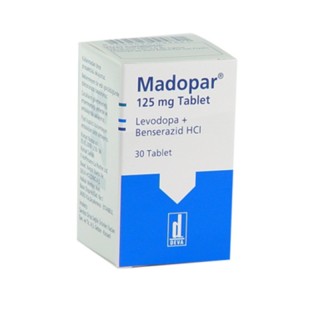
Levodopa and Benserazide are essential products primarily used for the treatment of Parkinson's disease, which affects millions in the United States. Levodopa is a precursor to dopamine, which is crucial for sending signals to the brain that control movement and coordination. Meanwhile, Benserazide works to minimize the peripheral conversion of Levodopa to dopamine, ensuring that more of it reaches the brain and enhancing its efficacy. These products come in various formulations, allowing for tailored treatment options. For instance, immediate-release and sustained-release preparations cater to different patient needs, providing flexibility in managing symptoms throughout the day. Those who typically benefit from these medications include individuals with Parkinson's disease and other related disorders who are seeking to manage their symptoms effectively. The specific action characteristics include a predictable progression of disease symptoms being managed and a stable improvement in mobility and daily functioning, making the use of these medications a reliable choice for long-term care.
How to structure practical use
The half-life of Levodopa is approximately 1.5 to 2 hours, while that of Benserazide is about 2 hours as well. This necessitates a careful structuring of daily intake to maintain optimal therapeutic levels in the body. It is generally recommended that these medications be taken several times a day, ideally every 4 to 6 hours. For instance, a common regimen might include splitting a total daily dose into three equal parts consumed during meals to promote proper absorption and minimize gastrointestinal discomfort. To mitigate potential side effects such as nausea, it can be beneficial to start with lower doses and gradually increase them while assessing tolerance. Maintaining stable blood concentrations is essential for avoiding fluctuations in symptom management, thus regular intake at the same times each day is advisable. Patients are encouraged to note the effects and adjust their intake under medical supervision if necessary.
Duration and working ranges
The standard course duration for treatment with Levodopa and Benserazide generally spans between 8 to 12 weeks, during which patients can expect to see improvement in mobility and reduction in motor symptoms associated with their condition. For novice users, it is standard to begin with a lower dosage, typically around 300 mg of Levodopa combined with 75 mg of Benserazide daily, and to monitor closely for symptoms. As one becomes accustomed to the medication, healthcare providers may recommend incremental increases in dosage to optimize results. It’s vital to recognize that effectiveness can vary significantly based on external factors such as quality of training, adequate sleep, and balanced nutrition. A personalized approach to dosage adjustments, based on individual experience and response, can greatly enhance treatment outcomes while ensuring safety.
State monitoring and expected dynamics
Long-term use of Levodopa and Benserazide necessitates regular monitoring through laboratory tests to ensure patient safety and treatment efficacy. Key indicators that should be regularly assessed include liver enzyme levels, hemoglobin counts, and blood pressure readings. Healthcare professionals usually recommend initiating lab tests at baseline and subsequently every 4 to 6 weeks during the treatment period. Patients can expect to observe initial results, like improved movement coordination and reduced tremors, typically within a few weeks of beginning the regimen. To maintain these results post-treatment, focusing on physical therapy and lifestyle changes is critical. Implementing a structured post-cycle therapy is equally important to counter any withdrawal effects and stabilize any changes in medication response.
Monitoring during intense training
Keeping a detailed diary to track health indicators during intense training can significantly enhance the effectiveness of the treatment plan. It is crucial to pay attention to various symptoms that may arise, including unusual muscle pain, increased fatigue, or changes in sleep quality. Any of these symptoms may require adjustments in dosage or further consultation with a healthcare provider. In-person consultations are recommended when noticeable side effects occur, particularly when combining Levodopa and Benserazide with other products. Individuals should remain cautious about their health conditions and the potential interactions of their treatment regimens.
Safety and results when using Levodopa and Benserazide
Before embarking on a course with Levodopa and Benserazide, it is vital to conduct a thorough health evaluation. This evaluation ensures that one does not have underlying conditions that could prohibit safe usage. Several contraindications include liver function disorders, heart and vascular diseases, oncological conditions, pregnancy or breastfeeding, being under 21 years of age, and any history of individual intolerance to these medications. To ensure a safe treatment experience, patients are advised to undergo necessary medical examinations such as liver function tests, cardiac evaluations, and regular blood tests to monitor overall health. Following these recommendations not only enhances safety but also maximizes the therapeutic results experienced during treatment.