
Understanding the Apixaban Category: Common Principles and Features
The Apixaban category encompasses a group of anticoagulant medications primarily used to reduce the risk of stroke and blood clots in various medical conditions. All products within this category share a common mechanism of action: they inhibit Factor Xa, a crucial enzyme in the coagulation cascade that is responsible for the conversion of prothrombin to thrombin, ultimately leading to blood clot formation. By blocking this pathway, Apixaban effectively decreases the ability of the blood to clot, making it a vital treatment option for patients with conditions such as atrial fibrillation, deep vein thrombosis (DVT), or pulmonary embolism (PE).
One of the key features of Apixaban products is their oral bioavailability, meaning they can be taken by mouth and quickly absorbed into the bloodstream. This convenience enhances patient compliance compared to other anticoagulants that require injections. Furthermore, Apixaban has a rapid onset of action, providing immediate anticoagulant effects, which is particularly beneficial for patients requiring quick management of their clotting risks.
Types and Forms of Apixaban Products
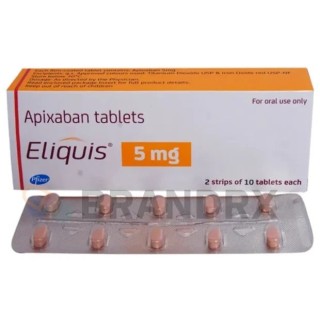
Products in the Apixaban category primarily come in oral formulations, with tablets being the most common form. These tablets are available in various strengths, allowing healthcare providers to tailor dosages to fit individual patient needs. The oral route of administration significantly simplifies the treatment process, as patients can take their medication at home without the need for clinical supervision.
Additionally, Apixaban products are usually packaged in blister packs, which aid in maintaining medication integrity, ensuring a longer shelf life, and providing patients with a clear method to track their dosages. This format is especially beneficial for those on long-term anticoagulation therapy, helping to avoid missed doses.
Comparative Advantages of Apixaban Over Other Anticoagulants
What sets Apixaban apart from other anticoagulant medications, such as warfarin or other direct oral anticoagulants, is its favorable pharmacokinetic profile. With a lower risk of major bleeding events and less need for routine monitoring, Apixaban offers a safer alternative for many patients. For example, unlike warfarin, which requires regular blood testing to monitor the International Normalized Ratio (INR), Apixaban allows for more straightforward management with fewer periodic assessments.
Moreover, Apixaban has fewer drug interactions compared to traditional anticoagulants, making it suitable for use in older patients or those with multiple comorbidities who may be on various medications. These advantages not only enhance patient safety but also contribute to improved treatment adherence and a better overall quality of life.
Long-Term Effects and Key Considerations for Apixaban Usage
The long-term use of Apixaban can significantly reduce the incidence of thromboembolic complications in patients with high-risk conditions. However, it is essential to be aware of the contraindications associated with this medication. Apixaban is not generally recommended for pregnant women, nursing mothers, or individuals with severe hepatic impairment. Additionally, patients with active bleeding disorders or those undergoing major surgical procedures may face risks when using Apixaban.
Long-term considerations also include the necessity for regular medical consultations to evaluate the ongoing need for anticoagulation therapy, as well as to manage any potential adverse effects. It is vital for patients to maintain open communications with their healthcare providers to ensure the medication remains safe and effective for their individual health circumstances.
Practical Guidance for Choosing and Using Apixaban Products
When considering the use of Apixaban, patients should first consult with their healthcare provider to thoroughly evaluate their medical history, current medications, and specific health needs. This consultation will help determine whether Apixaban is the most appropriate anticoagulant for their condition. It is essential to follow the prescribed dosage and schedule closely to optimize the medication's efficacy and minimize risks of complications.
Patients should also educate themselves about the signs of potential bleeding or other side effects, which must be reported immediately to a healthcare professional. A comprehensive understanding of one's health and the proper use of Apixaban can lead to safer and more effective management of thromboembolic risks. As therapy progresses, routine follow-ups and adherence to treatment guidelines will be crucial in ensuring long-term success.