
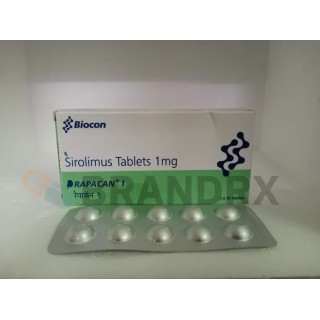
Sirolimus: An Overview of Its Purpose and Applications
Sirolimus, also known as rapamycin, is an immunosuppressive agent commonly used in the prevention of organ transplant rejection and the treatment of certain types of cancer. Originally derived from a bacterium found on Easter Island, Sirolimus has gained recognition for its ability to inhibit cell growth by interfering with the mTOR (mammalian target of rapamycin) pathway, which plays a crucial role in cellular division and proliferation. The primary purpose of Sirolimus is to reduce the immune response, particularly in transplant patients who require a carefully managed immune system to prevent their bodies from rejecting foreign tissue. Additionally, its application extends to patients with specific conditions such as lymphangioleiomyomatosis, a rare lung disease, as well as certain cancers where mTOR activity is implicated.
Typical Users and Contexts for Sirolimus
The primary users of Sirolimus include individuals who have undergone organ transplantation, particularly kidney transplantation. These patients typically require lifelong immunosuppressive therapy to maintain the viability of the transplanted organ. In addition, Sirolimus is utilized by oncologists who treat patients with tumors that exhibit high activity of the mTOR pathway, including renal cell carcinoma and other malignancies. Furthermore, individuals with rare diseases such as tuberous sclerosis complex may also benefit from Sirolimus as a means to manage tumor growth associated with their condition. Rehabilitation centers, outpatient clinics, and hospitals play vital roles in administering and monitoring Sirolimus treatment, ensuring that users receive appropriate care and management of potential side effects.
Strengths and Distinguishing Characteristics of Sirolimus
Sirolimus is distinguished from other immunosuppressive agents due to several key features that enhance its therapeutic profile. Firstly, its mechanism of action is distinct as it selectively inhibits the mTOR pathway, which not only contributes to immunosuppression but also affects tumorigenesis and cellular metabolism. Unlike corticosteroids or other conventional immunosuppressants, Sirolimus does not cause significant bone marrow suppression, making it a safer alternative for some patients. Additionally, it has a favorable pharmacokinetic profile characterized by a long half-life, providing more stable therapeutic levels in the body without the need for multiple daily doses. Moreover, Sirolimus exhibits anti-proliferative properties, which allow it to deter the growth of certain neoplasms, making it a dual-purpose medication that addresses both transplant rejection and cancer treatment.
Key Benefits of Sirolimus
Sirolimus offers several advantages that make it a valuable option in both transplant and oncology settings. The following list outlines the primary benefits of using Sirolimus:
- Effective prevention of organ rejection, particularly in kidney transplant patients.
- Reduced incidence of certain types of cancer due to its anti-proliferative effects.
- Less risk of bone marrow suppression compared to traditional immunosuppressants.
- Long half-life allows for convenient dosing schedules.
- Potential for improved graft survival rates when used in combination with other immunosuppressive drugs.
These benefits highlight why Sirolimus is often preferred in suitable patient populations and treatment regimens, ensuring that patients receive the best possible outcomes in their management plans.
Important Considerations Before Choosing Sirolimus
While Sirolimus presents numerous benefits, healthcare professionals and patients must consider several important factors before initiating treatment. First and foremost, contraindications include a history of hypersensitivity to Sirolimus or any of its components, and it is not recommended for use in patients who are experiencing uncontrolled infections or have a severe liver impairment. Additionally, it is essential to assess potential drug interactions, particularly with medications that may either induce or inhibit Sirolimus metabolism, which could lead to altered therapeutic effectiveness or increased toxicity. Regular monitoring of blood levels and associated side effects is crucial during treatment with Sirolimus, and patients should be educated about the signs of adverse reactions such as hyperlipidemia, renal impairment, and delayed wound healing. Ultimately, a thorough evaluation of each patient's medical history and comprehensive communication with healthcare providers will contribute significantly to the safe and effective use of Sirolimus.