
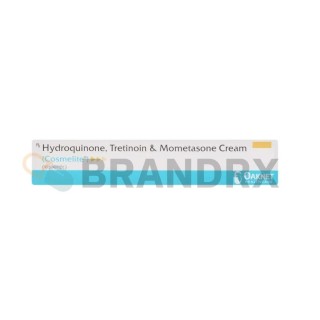


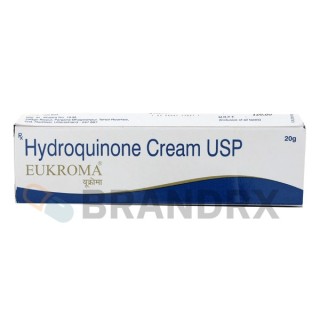
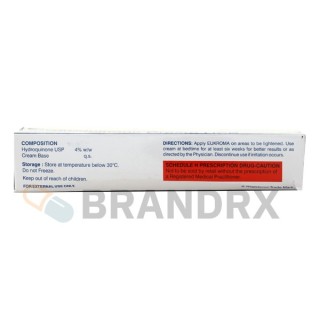
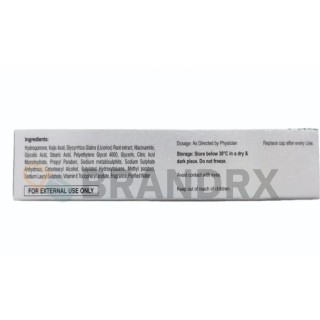
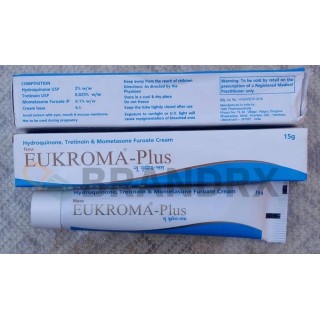
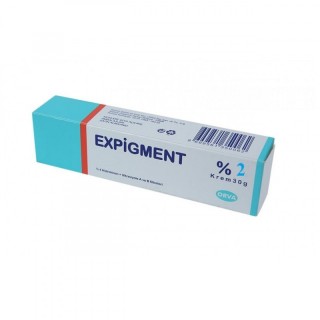
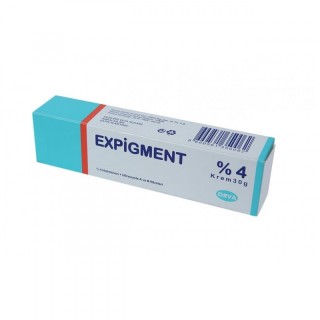

Hydroquinone: An Overview of Its Use and Purpose
Hydroquinone is a powerful skin-lightening agent commonly employed in dermatology to treat hyperpigmentation disorders. This category encompasses various formulations and concentrations, typically found in creams, gels, and lotions. Its primary purpose is to diminish dark spots, melasma, and other skin discolorations, allowing users to achieve a more even skin tone. Hydroquinone works by inhibiting melanin production in the skin, providing a reliable solution for those seeking to reduce the visibility of dark patches. As a well-researched compound, hydroquinone is often recommended by dermatologists for various skin-related concerns, emphasizing its importance in cosmetic and therapeutic contexts.
Typical Users and Contexts of Use
The users of hydroquinone products often include individuals dealing with sun damage, age spots, hormonal changes, or post-inflammatory hyperpigmentation. Both men and women can benefit from hydroquinone, but it is particularly sought after by those with medium to darker skin tones, where hyperpigmentation issues tend to be more prevalent. The product is typically employed in clinical settings, pharmacies, or available through online retailers, making it accessible for individuals seeking to address specific dermatological concerns.
Hydroquinone is frequently applied in combination with other treatments, such as retinoids or corticosteroids, to enhance its efficacy and achieve optimal results. Those considering its use should understand the context in which they are applying it; for example, it may form part of a broader skincare regimen that includes sun protection measures and moisturizing agents. Users may also employ hydroquinone before and after aesthetic treatments, such as chemical peels or laser therapy, to prepare the skin and minimize the risk of post-procedure hyperpigmentation.
Strengths and Distinguishing Characteristics of Hydroquinone
Hydroquinone stands out among other skin-lightening agents due to its potency and effectiveness. Unlike many alternatives that may work by mildly exfoliating the skin or providing temporary lightening effects, hydroquinone directly inhibits melanin production. This unique mechanism of action contributes to its reputation as one of the most effective treatments for long-term skin discoloration. Moreover, hydroquinone is available in varying concentrations, making it adaptable to different skin types and sensitivities.
In comparison to other topical treatments such as kojic acid or arbutin, hydroquinone often demonstrates quicker results, with significant improvement in skin tone often observed within a few weeks of regular use. Its compatibility with professional treatments further enhances its appeal, positioning hydroquinone as a primary choice for individuals seeking serious solutions for hyperpigmentation. Furthermore, extensive research and clinical studies back its use and safety profile, offering users greater confidence in its efficacy.
Benefits of Hydroquinone: An Overview
Hydroquinone presents several key advantages for users looking to address hyperpigmentation issues. The following points outline the primary benefits of hydroquinone:
- Effective Melanin Inhibition: Hydroquinone specifically targets melanin production, leading to reduced pigmentation.
- Fast Results: Users often see improvements in their skin tone within a short time frame, making it an attractive option for quick results.
- Customizable Formulations: Available in various strengths (typically 2% over-the-counter and 4% prescription), allowing users to choose based on skin type and needs.
- Compatible with Other Treatments: Hydroquinone can be combined with other skincare products to enhance results, particularly in professional settings.
- Long History of Use: With decades of research, hydroquinone's efficacy and safety are well-documented, providing users with confidence in its use.
Considerations Before Choosing Hydroquinone Products
While hydroquinone can offer significant benefits, potential users should consider several important factors before beginning treatment. First and foremost, it is crucial to consult a healthcare provider, such as a dermatologist, to ensure hydroquinone is an appropriate option for individual skin concerns. Certain skin types may be more sensitive to hydroquinone, and professional advice can guide safe usage.
It is also essential to be aware of potential side effects, including skin irritation, redness, or dryness, particularly with prolonged use. Users should not apply hydroquinone in areas with broken skin or open wounds. Temporary contraindications may include pregnancy or breastfeeding, where caution is typically advised regarding most topical medications. Lastly, it is imperative to adhere to recommended usage guidelines, as excessive application can lead to complications such as ochronosis, a condition characterized by a bluish discoloration of the skin. By understanding these considerations, users can maximize the benefits of hydroquinone while minimizing risks associated with its use.