
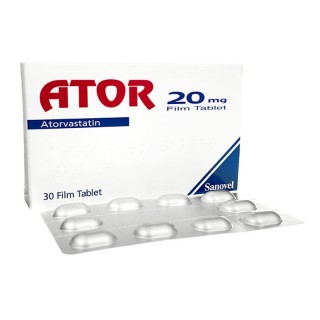
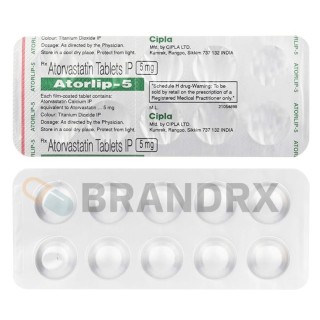
Properties of Hypolipidemic drugs and its practical value
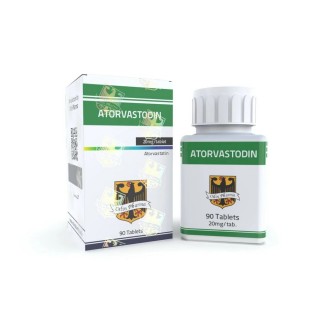
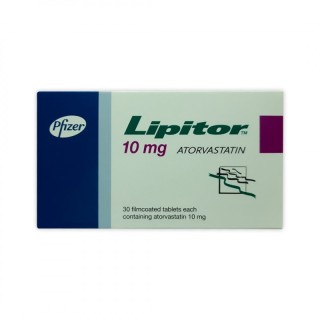
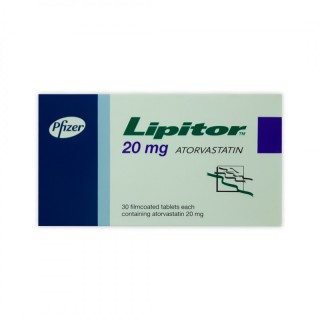
Hypolipidemic drugs are a class of medications specifically designed to lower lipid levels in the bloodstream, particularly cholesterol and triglycerides. Commonly prescribed to manage hyperlipidemia, these drugs play a critical role in reducing the risk of cardiovascular diseases, such as heart attacks and strokes. They work through various mechanisms, including inhibiting cholesterol synthesis in the liver, enhancing the clearance of LDL cholesterol (often termed "bad" cholesterol), and improving lipid profiles.
The practical value of hypolipidemic drugs is paramount in modern healthcare. For individuals with elevated cholesterol levels or those at risk for heart-related conditions, these medications not only lower lipid levels but may also significantly improve overall heart health. This can lead to enhanced quality of life and longevity. By adhering to prescribed hypolipidemic regimens, patients can effectively work towards achieving their health goals while proactively addressing underlying conditions that could lead to more serious health issues.
What results athletes can expect with a systematic approach
Athletes may find that integrating hypolipidemic drugs into their health management routines provides various benefits, particularly when combined with a balanced diet and regular training. With a systematic approach, athletes can expect improved cardiovascular function, which can enhance endurance during prolonged physical activities. This is especially crucial for endurance athletes who rely on optimal blood flow and oxygen delivery to muscles.
Moreover, maintaining balanced lipid levels can lead to a reduction in fatigue and faster recovery times after intense training sessions. Some athletes may also experience enhancements in overall energy levels, enabling them to perform at their best consistently. Ultimately, as lipid levels normalize, athletes can anticipate a more efficient metabolism, resulting in improved performance over time.
Popular Hypolipidemic drugs options and how to choose
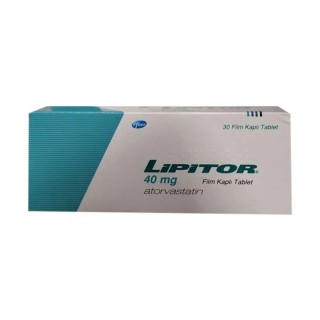
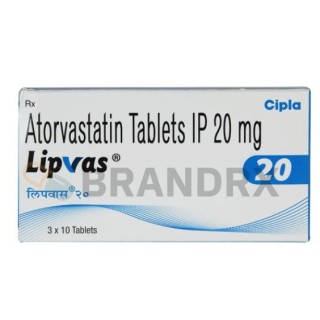
There are several types of hypolipidemic drugs available, each with its unique benefits and mechanisms of action. Common options include statins, fibrates, bile acid sequestrants, and ezetimibe. Here are some key selection criteria to consider when choosing among these options:
- Efficacy: How effective is the drug in lowering LDL cholesterol levels?
- Side effects: What are the potential adverse effects associated with the drug?
- Drug interactions: Does the prescribed medication interact with any other treatments the patient may take?
- Dosing frequency: How often must the medication be taken, and is it suitable for the patient’s lifestyle?
- Cost and insurance coverage: Is the medication affordable, and does insurance cover it?
- Physician recommendation: What does the healthcare provider suggest based on individual health profiles?
Each patient's needs and medical history can significantly influence the choice of hypolipidemic drugs. Therefore, ongoing communication with healthcare providers is essential for optimal outcomes.
Who is not recommended to use the product
While hypolipidemic drugs can be beneficial, certain individuals should exercise caution or avoid these medications altogether. Those with active liver disease or elevated liver enzymes should refrain from using statins due to potential liver injury. Pregnant or breastfeeding women are often advised against these medications as they may pose risks to fetal or infant development.
Additionally, individuals experiencing severe muscle disorders, such as rhabdomyolysis, should avoid certain hypolipidemic agents due to the increased risk of muscle-related side effects. It is crucial for potential users to consult healthcare providers and evaluate their medical history to determine if these medications are suitable for their situation.
Possible side effects and ways to minimize them
As with any medication, hypolipidemic drugs may cause side effects. Common adverse reactions can include muscle pain, digestive issues, and an increased risk of diabetes. Some patients may experience gastrointestinal symptoms such as bloating, gas, or diarrhea. To minimize these risks, healthcare providers often recommend starting with low doses and gradually increasing as tolerated.
Regular monitoring of liver function tests and lipid levels is essential to ensure that the medications are working effectively without causing harm. Patients should maintain open lines of communication with their healthcare provider and report any concerning symptoms as soon as they arise. This proactive approach can help in adjusting treatment to suit individual responses better.
Order Hypolipidemic drugs online in the USA
For those considering hypolipidemic drugs, ordering them online can be a convenient option. However, it is vital to approach this process with caution. Begin by consulting with a healthcare provider to obtain a valid prescription, as hypolipidemic medications should only be used under professional supervision. Once prescribed, patients can explore reputable online pharmacies that require prescriptions and have a solid reputation for safety and quality.
When selecting an online pharmacy, verify that it is licensed and offers a secure website for transactions. Additionally, read customer reviews and check for certifications to ensure reliability. After choosing a vendor, follow the steps outlined by the pharmacy to submit the prescription and complete the purchase. This approach can lead to a seamless experience in obtaining necessary medications while ensuring health and safety.