
Understanding the Albendazole and Ivermectin Family of Medications
The products that fall under the Albendazole and Ivermectin category are primarily antiparasitic agents, which are instrumental in treating various parasitic infections. Both Albendazole and Ivermectin are widely recognized for their efficacy in combating a range of parasites, including worms, roundworms, and certain ectoparasites like lice and scabies. A common feature shared by medications in this group is their ability to interrupt the metabolic processes of parasites, ultimately leading to their demise. Albendazole works by inhibiting the formation of microtubules in parasites, disrupting their glucose uptake, which starves them. Ivermectin targets specific channels in the nerve and muscle cells of parasites, causing paralysis and death. Both medications are essential tools in the fight against parasitic diseases, contributing to public health and individual well-being.
Forms and Types of Medications in This Category
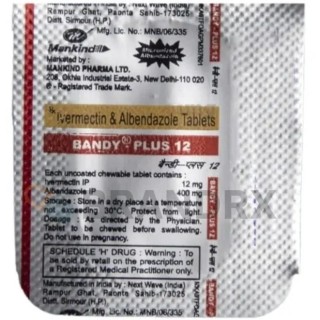
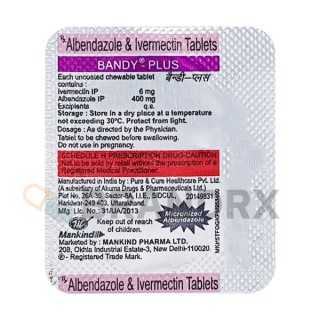
Products within the Albendazole and Ivermectin category typically come in several forms to accommodate different patient needs and preferences. Most commonly, these medications are available in tablet form, which allows for convenient oral administration. Albendazole also comes in a liquid suspension form, making it easier to administer to children or individuals who may have difficulty swallowing pills. Ivermectin is predominantly available as a tablet but can also be found in topical formulations for localized parasitic infections, such as scabies. This variety enables healthcare providers to tailor treatments to individual cases, enhancing both compliance and efficacy.
Why Choose Albendazole and Ivermectin Over Other Treatments
One of the primary distinctions of the Albendazole and Ivermectin products when compared to other antiparasitic treatments is their broad-spectrum efficacy. While many antiparasitics target specific types of parasites, both Albendazole and Ivermectin exhibit a wider spectrum of activity. This means they can effectively manage multiple parasitic infections, reducing the need for multiple medications. Furthermore, both medications are generally well-tolerated and have a favorable safety profile when used appropriately. Unlike some alternatives that may have a narrow therapeutic window or pose significant risks of side effects, Albendazole and Ivermectin provide a reliable option for many patients needing antiparasitic therapy. Their proven effectiveness, coupled with ease of administration, underlines their importance in modern medicinal practices.
Long-Term Effects and Contraindications Related to Use
The long-term usage of products from the Albendazole and Ivermectin category can lead to sustained benefits in the management of parasitic infections. Studies have shown that effective treatment can reduce the burden of disease, improve quality of life, and even diminish transmission rates within communities. However, it is crucial to remain aware of the contraindications associated with these medications. Pregnant women are often advised against using Albendazole due to potential risks to the fetus, while Ivermectin, although generally safer, should be avoided during pregnancy unless absolutely necessary. Additionally, both medications should be used with caution in populations such as young children or individuals with liver conditions, as their metabolic pathways may influence drug efficacy and safety. It is always recommended that individuals consult a healthcare provider before starting any new treatment regimen.
Practical Guidance for Choosing and Using These Medications
When it comes to selecting products from the Albendazole and Ivermectin category, several practical considerations can help ensure effective treatment. First, it is essential to confirm the specific type of parasitic infection to facilitate appropriate medication selection. Consulting with a healthcare professional is vital, as they may recommend diagnostic tests to identify the exact parasite and determine the most effective medication. Next, consider the patient’s age, weight, and health status since these factors can influence dosage and formulation choices. It is crucial to adhere strictly to prescribed dosages to maximize effectiveness while minimizing potential side effects. Furthermore, patients should be encouraged to discuss any pre-existing conditions or concurrent medications with their doctors to avert any adverse interactions. Lastly, follow-up after treatment is essential to ensure the infection has been cleared and to determine if additional doses are needed or if an alternative treatment plan should be employed. By comprehensively addressing these aspects, individuals can make informed decisions that enhance their health outcomes when using Albendazole and Ivermectin.