

Amlodipine: An Overview of Its Unified Characteristics
Amlodipine is a powerful medication that belongs to the class of calcium channel blockers. It is primarily used for the treatment of hypertension (high blood pressure) and angina (chest pain). What unites all products in the Amlodipine category is their ability to effectively lower blood pressure and provide relief from angina symptoms by dilating blood vessels. This vasodilation helps improve blood flow and decreases the workload on the heart, leading to enhanced cardiovascular health. Common key features of Amlodipine products include their long-lasting action, usually providing relief for up to 24 hours, which makes them convenient for once-daily dosing. In addition, Amlodipine is well-tolerated by many patients and has a favorable safety profile, making it a common choice among healthcare providers.
Forms and Types of Amlodipine Products
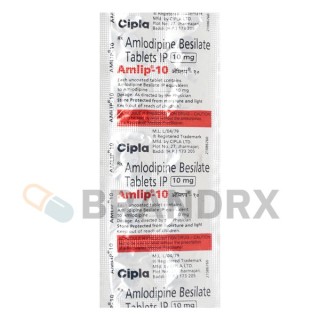
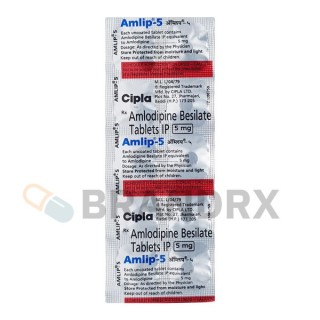
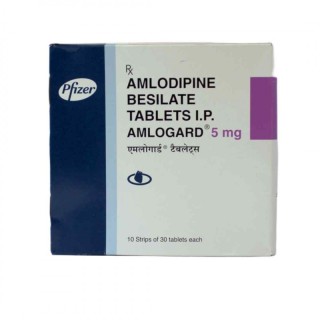
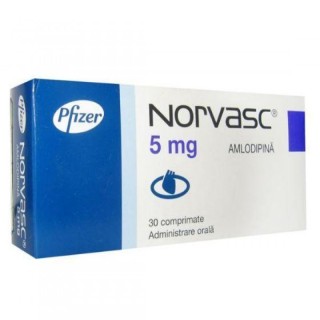
Amlodipine is available in various forms to cater to the needs and preferences of patients. The most common form is oral tablets, which are typically prescribed in doses ranging from 2.5 mg to 10 mg. These tablets are easy to administer and can be taken with or without food, making them user-friendly. In addition to standard tablets, Amlodipine may also be found in combination with other medications, designed to enhance its efficacy and provide a multi-faceted approach to managing hypertension and cardiovascular conditions. Extended-release formulations are also available, which can offer more gradual effects and smoother blood pressure control. This variety in forms allows healthcare providers to tailor treatment plans that best suit individual patient needs.
Main Advantages of Amlodipine Compared to Other Options
One of the main differences between Amlodipine and medications in other categories, such as diuretics or beta-blockers, is its mechanism of action. While diuretics work by reducing blood volume and beta-blockers by slowing heart rate, Amlodipine specifically targets the calcium channels in blood vessels, leading to direct vasodilation. This allows for a unique profile where patients may experience fewer side effects associated with other treatments, such as fatigue or electrolyte imbalances. Furthermore, Amlodipine is suitable for a broader range of patients, including those with specific cardiovascular conditions who may not respond well to alternative treatments. Users should consider Amlodipine for its ability to provide consistent and comprehensive management of blood pressure and angina, ensuring a better quality of life.
Long-Term Effects and Considerations When Using Amlodipine
The long-term use of Amlodipine can lead to significant improvements in cardiovascular health, including sustained blood pressure control and reduced risk of heart complications. However, it is vital to consider that Amlodipine is not suitable for everyone. Patients who are pregnant, or those who suffer from severe hypotension or specific forms of heart block should avoid using this medication. Additionally, individuals with liver impairment may require careful monitoring and dosage adjustments. Always consult a healthcare provider to discuss personal health history and any potential contraindications before starting Amlodipine. This will help ensure that the benefits of long-term use outweigh any risks involved.
Practical Advice for Starting Amlodipine
When considering Amlodipine as a treatment option, it is essential to follow several practical guidelines. First, work closely with a healthcare provider to determine the appropriate dosage tailored to your health needs and medical history. It is prudent to begin Amlodipine at a lower dose, particularly for elderly patients or those with other comorbidities, to gauge tolerance and minimize potential side effects. Patients should be aware of the timeline for monitoring their blood pressure, especially in the initial weeks of starting Amlodipine, to ensure it is effectively managing their condition. Furthermore, lifestyle changes, such as adopting a healthy diet, engaging in regular physical activity, and avoiding excessive alcohol intake, should accompany the use of Amlodipine for optimal results. Lastly, regularly discussing any side effects or concerns with your healthcare provider will help maintain open communication and adjustments to the treatment plan as necessary.