
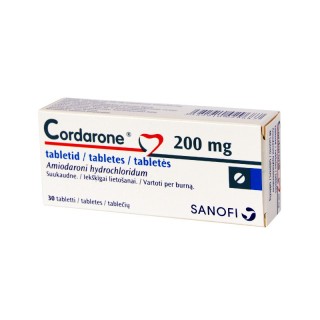
Understanding Amiodarone: Key Features and Working Principles
The Amiodarone category encompasses a range of products primarily used in the treatment of serious heart rhythm disorders. These products share a common active ingredient, Amiodarone, which is known for its potent antiarrhythmic properties. The primary working principle of Amiodarone is its ability to prolong the action potential and refractory period in cardiac tissues. By stabilizing the cardiac membrane, it reduces the excitability of heart cells, helping to restore normal rhythm and prevent abnormal electrical signals that lead to arrhythmias.
One of the key features of products in the Amiodarone category is their versatility in treating various types of arrhythmias, including ventricular tachycardia and atrial fibrillation. They are typically prescribed when other treatments, such as beta-blockers or calcium channel blockers, have proven ineffective. Moreover, Amiodarone has a unique pharmacokinetic profile, having a long half-life that allows for once-daily dosing in chronic conditions. This makes it exceptionally useful for long-term management of patients with recurrent arrhythmias.
Forms and Types of Amiodarone Products
Products in the Amiodarone category are available in several forms to accommodate different patient needs and treatment protocols. The most common forms include oral tablets, intravenous solutions, and injectable formulations. Oral tablets are frequently utilized for long-term management, allowing consistent plasma levels of the drug to be achieved over time.
Intravenous formulations are typically reserved for acute situations where rapid control of life-threatening arrhythmias is required. These products allow for immediate therapeutic effects, which can be critical in emergency settings. Additionally, some formulations may come in varying strengths to cater to specific dosing requirements based on the severity of the condition and individual patient response. This flexibility in delivery methods ensures that healthcare providers can tailor treatment plans optimally for each patient's needs.
Distinct Advantages of Amiodarone Compared to Other Categories
Amiodarone stands out from other antiarrhythmic medications because of its broad spectrum of efficacy against both atrial and ventricular arrhythmias. Unlike many first-line treatments, which may only target specific types of arrhythmias, Amiodarone proves effective across a variety of cardiac issues, making it a valuable option for complex cases. Additionally, its ability to function in the presence of other comorbidities such as heart failure and coronary artery disease adds to its appeal.
Another differentiating factor is the unique side effect profile and long-term benefits that patients can derive from its sustained use. While other medications may require frequent adjustments or switching, Amiodarone allows for maintenance of rhythm with fewer changes to treatment regimens. This makes it particularly appealing for patients who may have trialed multiple other treatments without success.
Long-Term Effects and Contraindications of Amiodarone Use
The long-term usage of Amiodarone has shown promising effects in reducing the recurrence of arrhythmias and improving overall patient outcomes. However, it is crucial to be mindful of the potential side effects and contraindications associated with its use. Patients using Amiodarone may experience thyroid dysfunction, pulmonary toxicity, and liver enzyme elevation, among other adverse effects. Regular monitoring is essential to mitigate these risks and ensure that the benefits of the medication continue to outweigh any potential harm.
Certain individuals, such as pregnant women, nursing mothers, and children, are generally advised against using Amiodarone, owing to safety concerns. Additionally, patients with pre-existing thyroid conditions, pulmonary disease, or severe liver dysfunction should use this medication with caution, as they may be at higher risk for complications. Consulting with a healthcare provider is essential to determine suitability for each individual case.
Practical Tips for Choosing and Using Amiodarone Products
When considering products from the Amiodarone category, it is important to engage in a thorough discussion with healthcare professionals about potential risks and benefits. Patients should undergo a comprehensive evaluation to determine if Amiodarone is the appropriate choice for their specific condition. It may be beneficial to discuss any prior treatment failures, existing health conditions, and lifestyle factors that could influence the effectiveness of this medication.
Dosage instructions and adherence to prescribed regimens are critical for achieving optimal therapeutic outcomes. Patients should pay close attention to any new symptoms or side effects that arise during treatment and communicate these to their healthcare provider promptly. Regular follow-up appointments and periodic testing will also help in monitoring heart health and detecting any potential complications early. By taking a proactive approach to management, individuals can help ensure that they receive the maximum benefit from Amiodarone therapy.