
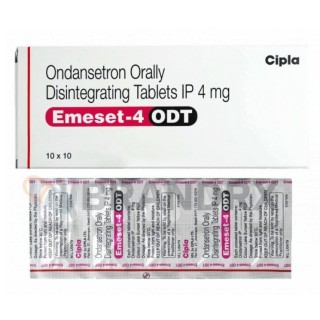
Main positive effects of Ondansetron
Ondansetron is a medication primarily used to prevent nausea and vomiting caused by cancer chemotherapy, radiation therapy, and surgery. It is classified as a serotonin 5-HT3 receptor antagonist, which means it works by blocking the action of serotonin, a natural substance in the body that can trigger nausea and vomiting. The core principle uniting products in the Ondansetron group is their ability to effectively manage these symptoms, leading to improved comfort and quality of life for patients undergoing potentially distressing medical treatments.
What sets Ondansetron apart from other anti-nausea medications is its rapid onset of action and its effectiveness across a wide range of therapeutic contexts. Patients can often experience relief from nausea within minutes of administration. Moreover, Ondansetron is available in various forms, including tablets, oral solutions, and injectables, which increases accessibility and convenience for users. Its ability to be administered before or after chemotherapy further enhances its practical use, ensuring that patients have the best chance of remaining nausea-free throughout their treatment course.
Purchase options in the USA through a specialized store
In the United States, Ondansetron can typically be acquired through pharmacies, both physical and online, with a prescription from a healthcare provider. The main forms of availability include oral tablets, orally disintegrating tablets, and injectable solutions. This variety allows for tailored approaches based on individual patient needs and circumstances. The availability of Ondansetron in orally disintegrating form is particularly beneficial for those who may have difficulty swallowing pills, providing a quick and effective method for alleviating nausea.
When considering purchasing options, it is essential to ensure that you are obtaining Ondansetron from trustworthy sources. Licensed pharmacies that adhere to legal and safety regulations should be your go-to choice. Additionally, patients may explore access programs or discounts offered by specific pharmaceutical companies to help mitigate prescription costs. Understanding insurance coverage and any potential out-of-pocket expenses is also crucial to ensure a smooth purchasing experience.
Description of the active substance in Ondansetron
Ondansetron contains the active substance ondansetron hydrochloride, which distinguishes it from other related medications. Its targeted mechanism of action focuses on blocking serotonin receptors in the gastrointestinal tract and the brain's vomiting center, thus preventing the communication signals that lead to nausea and vomiting. Unlike other antiemetic solutions that may affect other neurotransmitter systems, Ondansetron’s specificity contributes to its efficacy and safety profile.
Patients may consider Ondansetron specifically for its promising results in managing chemotherapy-induced nausea and vomiting (CINV). It is widely regarded as a first-line treatment option in this context, offering users a degree of predictability and comfort during the challenges of oncological treatments. The effectiveness also extends to postoperative nausea and vomiting, making it a versatile agent in both preoperative and postoperative settings.
Key characteristics and functional properties
One of the key characteristics of Ondansetron is its relative safety profile, but it is imperative to acknowledge that it may not be suitable for everyone. Contraindications include individuals with a known hypersensitivity to the active substance or any component of the formulation. Special caution is advised for pregnant women and breastfeeding mothers, as well as minors and individuals with certain liver conditions. Therefore, presence of specific medical histories should be thoroughly evaluated prior to administration to avoid adverse effects.
While many users experience significant benefits from Ondansetron, it is essential to be aware of its long-term usage considerations. Patients undergoing extended chemotherapy cycles or those who use Ondansetron frequently should consult their healthcare providers regarding ongoing need and monitoring for potential adverse effects. Regular review of patient health status may help mitigate risks associated with long-term use.
Possible side effects and minimization strategies for Ondansetron
As with any medication, there is a potential for side effects with Ondansetron. Common side effects may include headache, dizziness, constipation, and fatigue. More serious side effects, though rare, may involve allergic reactions and irregular heart rhythms. To minimize these risks, it is important for users to begin their use of Ondansetron under the guidance of a healthcare professional who can provide an appropriate assessment of individual health conditions and potential drug interactions.
Adopting a responsible approach to using Ondansetron includes informed decision-making regarding dosage and timing, especially in relation to chemotherapy or surgical schedules. Patients should also keep open lines of communication with their healthcare team to discuss any experiencing side effects. Establishing a monitoring plan can ensure that treatment with Ondansetron is safe and effective, allowing users to enjoy its benefits while minimizing health risks.