

Ampicillin: An Overview of Its Key Features and Working Principles
Ampicillin is a widely-used antibiotic that belongs to the penicillin class of drugs. It is known for its effectiveness against a variety of bacterial infections. The main working principle of ampicillin revolves around its ability to inhibit bacterial cell wall synthesis, which ultimately leads to cell lysis and the death of the bacteria. This mechanism makes it particularly useful in treating infections caused by susceptible organisms, including strains of Streptococcus, Staphylococcus, and various other gram-negative bacteria.
One of the key features common to all products in the ampicillin category is their broad-spectrum activity. This means that they can combat a wide range of bacterial infections, making ampicillin a versatile choice for healthcare providers. Additionally, products within this category are often characterized by their effectiveness against both aerobic and anaerobic bacteria. Another common feature is the various routes of administration available, including oral and intravenous forms, allowing for flexibility in treatment options based on the severity of the infection.
Forms of Release in the Antibiotic Category
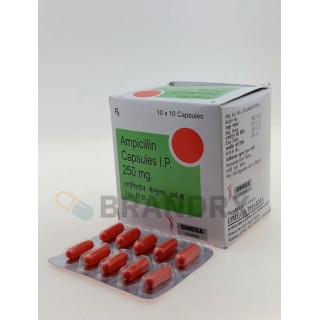
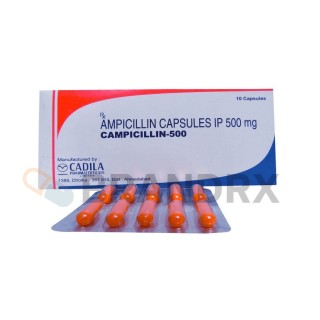
Products in the ampicillin category are available in several forms to accommodate different treatment needs. The most common forms of release are oral tablets, capsules, and powdered formulations that are intended for reconstitution into liquid solutions. Oral forms are often used for outpatient treatments and are designed for convenience, while injectable forms are reserved for more serious infections requiring immediate attention.
Moreover, powdered forms of ampicillin are typically used in hospital settings where precise dosages need to be prepared based on the patient's weight and specific medical conditions. The choice of formulation can depend on factors like the type of infection being treated, patient compliance, and urgency of treatment. Understanding these various forms can aid healthcare providers in recommending the most appropriate option based on a patient's individual situation.
Why Choose Ampicillin Over Other Antibiotics?
The primary difference between ampicillin and products in other antibiotic categories lies in its broad-spectrum efficacy. While many antibiotics may target specific bacteria, ampicillin's ability to act against a wide range of pathogens makes it a preferred choice in many clinical scenarios. Additionally, as a beta-lactam antibiotic, ampicillin tends to have a better safety profile compared to some other antibiotic classes that can lead to more severe side effects.
Moreover, certain infections, especially those caused by Enterococcus or specific strains of E. coli, are particularly susceptible to ampicillin, thus offering a greater chance of resolution for these specific cases. It is essential for healthcare providers to consider the unique properties of ampicillin, especially when dealing with patients exhibiting signs of resistant infections where other antibiotic classes may have failed.
Long-term Effects and Contraindications of Using Ampicillin
Long-term use of ampicillin can be beneficial in certain chronic conditions but also presents a potential risk for side effects. Patients using this antibiotic should be monitored for possible allergic reactions, gastrointestinal disturbances, or the development of antibiotic resistance. In general, pediatric populations and adults with pre-existing conditions may require special consideration regarding dosage and duration of treatment.
Contraindications for ampicillin include hypersensitivity to penicillin or any component of the formulation. Pregnant women should consult their healthcare providers before using this antibiotic, although ampicillin is often considered safer than many other antibiotics. Children may also have specific dosage requirements adjusted for their age and body weight. It is crucial for healthcare providers to evaluate potential risks and benefits before prescribing ampicillin in these sensitive populations.
Practical Advice for Choosing and Using Products from the Ampicillin Category
When choosing products from the ampicillin category, it is vital to consult a healthcare provider who can assess the specific infection being treated and recommend the appropriate formulation and dosage. Patients should always adhere to the prescribed regimen and complete the full course of antibiotics to minimize the risk of developing antibiotic resistance.
Additionally, individuals should inform their healthcare providers about any pre-existing conditions or other medications they are taking, as these factors may influence the effectiveness and safety of ampicillin. Simple practices, such as taking the medication at evenly spaced intervals and not skipping doses, can significantly enhance treatment outcomes.
In conclusion, understanding the capabilities and risks associated with ampicillin is essential for effective treatment. With proper usage and consideration of individual patient needs, healthcare providers can leverage the advantages of ampicillin to manage bacterial infections effectively.