Understanding Minoxidil Goals and Misconceptions
Many individuals seeking to address hair loss consider Minoxidil as a viable solution. Common goals among users include restoring hair density, increasing hair regrowth, and maintaining existing hair. This becomes particularly relevant for individuals experiencing androgenetic alopecia, often referred to as male or female pattern baldness. It is essential to recognize that while Minoxidil has been shown to be effective for many, its results can vary from person to person. Some may achieve substantial hair regrowth, while others may see minimal improvement.
Misunderstandings about Minoxidil are prevalent. A significant myth is that applying Minoxidil guarantees immediate and robust hair growth; in reality, results often take several months to become noticeable. Moreover, many users believe that Minoxidil will halt hair loss completely, but it is better suited to stimulate regrowth rather than entirely prevent hair thinning. Some individuals may erroneously assume that once they stop using the product, hair gained will remain permanent. In fact, continued application is typically necessary to maintain the results achieved during treatment. Understanding these parameters can significantly affect one’s experience with the product.
Mechanisms and Key Parameters of Hair Growth
Minoxidil operates primarily by stimulating blood circulation in the scalp, leading to enhanced nutrient delivery to hair follicles. This mechanism is a core component of its efficacy in promoting hair growth. By expanding blood vessels, it allows more oxygen and essential nutrients to flow to hair follicles, which can result in increased hair density and regrowth.
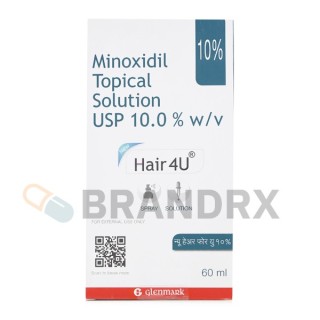
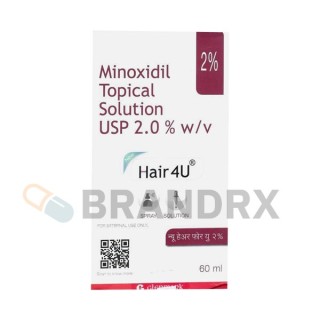
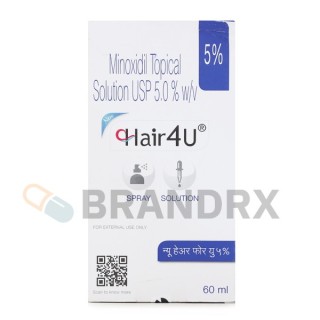
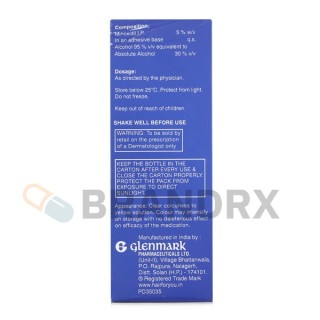
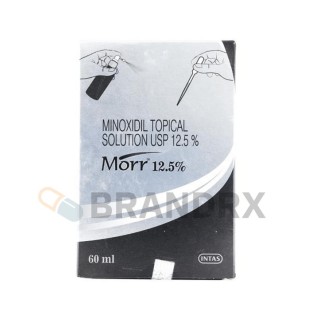
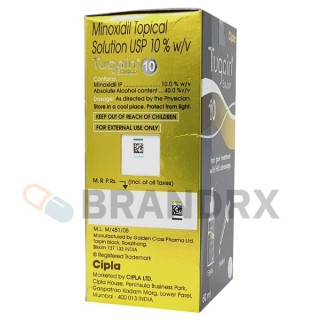
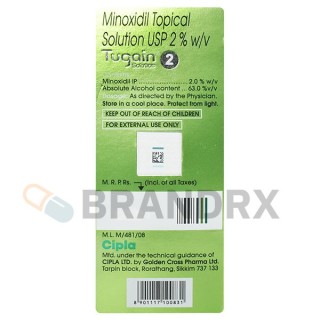
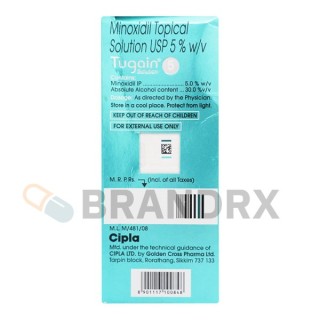
The effectiveness of Minoxidil can also be influenced by certain parameters, such as the concentration of the solution. Minoxidil typically comes in various concentrations, with 2% and 5% solutions being the most common. Research suggests that a higher concentration may yield better results for some users, but it may also come with an increased risk of side effects. Another important factor is the duration of use; long-term commitment is necessary for optimal results. Users are often advised to apply Minoxidil consistently over the recommended duration to experience the full benefits.
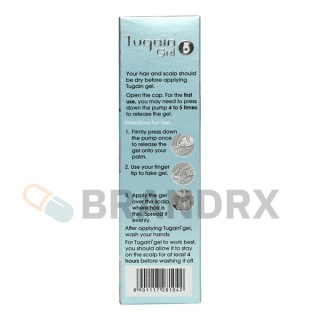
Additionally, the ideal conditions for Minoxidil application should be carefully considered. It is essential to apply the solution to a dry scalp, as wet conditions can dilute the product and reduce effectiveness. Moreover, factors such as age, underlying health conditions, and individual scalp conditions can vary the treatment's success.
Comparison with Other Hair Loss Treatments
When contrasting Minoxidil with other hair loss treatments, it is essential to understand the principles that differentiate them. For instance, while Minoxidil is generally topical and non-invasive, some alternatives involve surgical procedures, like hair transplants, which physically relocate hair follicles from one part of the scalp to another. This surgical route can achieve immediate results, unlike Minoxidil, which requires ongoing application and time to see results.
Another category worth mentioning is oral medications, such as Finasteride, which target hormonal balance as a means to mitigate hair loss. While Minoxidil focuses on stimulating blood flow, Finasteride works to inhibit the conversion of testosterone to dihydrotestosterone (DHT), a hormone known to contribute to hair thinning. Each treatment has distinct mechanisms and appropriateness depending on individual needs and preferences.
Furthermore, lifestyle factors play a critical role across all categories. A healthy diet, stress management techniques, and adequate hair care can complement any treatment, potentially enhancing results. Understanding these principles allows users to make well-informed decisions when exploring options for hair restoration.
Limitations and Importance of Professional Guidance
It is crucial to acknowledge the limitations associated with the use of Minoxidil. Some individuals may experience side effects, including irritation, dryness of the scalp, and unwanted facial hair growth. These potential reactions highlight the importance of monitoring one’s response to the treatment and consulting a healthcare professional if adverse effects arise.
Moreover, Minoxidil may not be suitable for everyone. Individuals with specific scalp conditions, such as psoriasis or severe dermatitis, should approach this treatment cautiously. Additionally, those with pre-existing health conditions or who are pregnant should seek professional advice before starting any hair restoration regimen.
Consultation with a healthcare provider is essential for understanding individual conditions and needs. A medical professional can help determine the appropriateness of Minoxidil or alternative treatments based on personal health history and hair loss patterns. This personalized approach can ultimately lead to more effective results and a better overall experience.
Navigating the Minoxidil Category for Informed Choices
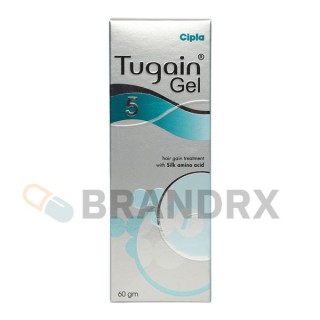
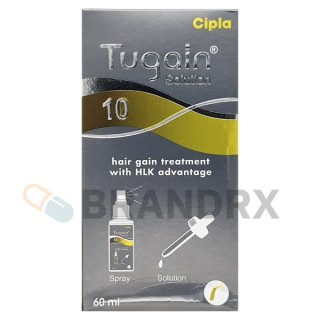
As you delve into the Minoxidil category, there are several aspects to explore to enhance your understanding and decision-making process. First, familiarize yourself with the different formulations available, including foams and liquid solutions, as each may work differently for different users.
Additionally, consider reading user reviews and testimonials, as these can provide insights into the effectiveness and experiences of others who have used Minoxidil. It's also beneficial to research potential side effects and contraindications to prepare yourself for any adverse reactions you might encounter.
Finally, be sure to access resources that describe best practices for application and tips for maximizing treatment effectiveness. Whether it's understanding the importance of consistent application or learning about proper scalp care, creating a comprehensive approach will empower you to make the most of your Minoxidil experience. By navigating this category with an informed perspective, you set yourself on a path toward achieving your hair restoration goals.