
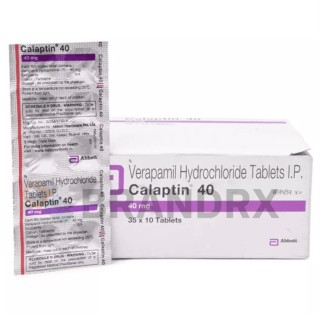
Understanding the Verapamil Category
Verapamil is a member of the calcium channel blocker class of medications, and it is primarily used to treat a variety of cardiovascular conditions. All products within the Verapamil category share a common purpose: to regulate the flow of calcium ions into heart and vascular smooth muscle cells, thereby facilitating the relaxation of blood vessels and improving blood flow. This principle of operation makes Verapamil an effective treatment for hypertension, angina pectoris, and certain types of arrhythmias. Key features across this product category include a mechanism that reduces cardiac workload and oxygen demand while improving overall cardiac function. The consistency in formulation and effect across various Verapamil products ensures that patients can rely on these medications for predictable management of their cardiovascular health.
Types and Forms of Release
The Verapamil category offers several formulations to cater to diverse patient needs and preferences. These include immediate-release tablets, extended-release capsules, and injectable forms. Immediate-release tablets are typically used for quick symptomatic relief, while extended-release forms provide a more gradual release of the medication into the bloodstream, allowing for sustained therapeutic effects over a longer period. This versatility in formulation is designed to accommodate the varying lifestyles and treatment regimens of patients. Additionally, the injectable form is often utilized in emergency situations or where oral intake may not be possible, making Verapamil accessible for a range of healthcare settings.
Distinctiveness of Verapamil Compared to Other Medications
What sets Verapamil apart from other medication categories is its specific targeting of calcium channels both in the vascular smooth muscle and the heart, providing unique advantages for patients with cardiovascular issues. Unlike other antihypertensive medications, Verapamil not only lowers blood pressure but also modifies heart rhythm, making it an ideal choice for patients with atrial fibrillation or tachycardia. Furthermore, Verapamil's dual action can help in alleviating angina, reducing the frequency of chest pain episodes. These characteristics allow patients experiencing a combination of cardiovascular problems to find an effective solution within a single medication class, making Verapamil a compelling choice for comprehensive treatment.
Long-Term Effects and Considerations
Long-term use of Verapamil can be beneficial for managing chronic conditions such as high blood pressure and certain heart rhythm disorders. Patients often experience a reduction in symptoms and improved quality of life when adhering to their prescribed Verapamil regimen. However, it is important to note that Verapamil may not be suitable for everyone. Individuals with severe congestive heart failure, those with known hypersensitivity to the drug, and pregnant or breastfeeding women are advised to discuss alternative treatment options with their healthcare provider. Furthermore, patients with liver or kidney dysfunction may require careful monitoring and dosage adjustments to avoid potential adverse effects.
Practical Advice for Using Verapamil
When considering Verapamil, it is crucial for patients to consult their healthcare provider to determine the most appropriate formulation and dosage for their condition. Starting with a lower dose may help in assessing tolerance and minimizing side effects. Patients should be encouraged to maintain regular follow-up appointments to monitor their response to the medication and make any necessary adjustments. It is also helpful to maintain a consistent schedule when taking Verapamil to enhance adherence to the treatment plan. Lastly, patients should be informed about the potential for drug interactions with other medications they may be taking, ensuring a safe and effective overall treatment approach.