
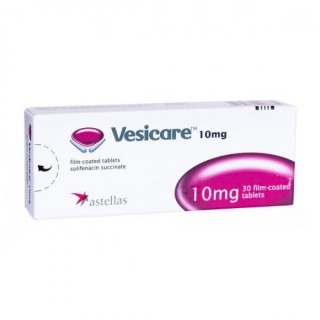
Solifenacin succinate: An Overview of Its Purpose and Application
Solifenacin succinate is a medication primarily used to treat overactive bladder (OAB) symptoms, which include urinary incontinence, urgency, and increased urinary frequency. This medication belongs to a class of drugs known as anticholinergics, which function by inhibiting bladder muscle contractions, thereby helping to manage and alleviate the discomfort associated with overactive bladder conditions. It is essential for patients suffering from these symptoms to consider treatment options to enhance their quality of life and regain control over their urinary functions.
Designed to provide relief from the often distressing symptoms of OAB, Solifenacin succinate is usually prescribed when lifestyle changes and other non-pharmacological interventions are insufficient. By focusing on the receptor sites in the bladder, this medication provides a targeted approach to treatment. As a result, Solifenacin succinate can significantly improve the daily lives of individuals affected by this condition, allowing them to engage more fully in both personal and professional activities without the constant worry about urinary issues.
Identifying Typical Users and Contexts for Anticholinergic Medications
The typical users of anticholinergic medications like Solifenacin succinate often include older adults, as they tend to experience a higher incidence of overactive bladder symptoms due to factors such as age-related changes in bladder function. Younger individuals may also be prescribed this medication due to various medical conditions or surgeries that may affect bladder control, including neurological disorders or pelvic floor dysfunctions.
Contextually, Solifenacin succinate is frequently utilized in outpatient settings, where healthcare providers evaluate patients presenting with OAB symptoms. Often, these patients may have tried other treatments or behavioral modifications without significant relief. In clinical settings, it is common to conduct assessments to determine the most effective treatment plan, which may include Solifenacin succinate. Awareness of this medication's effects and outcomes is crucial for both healthcare professionals and patients to optimize therapeutic approaches.
The Strengths and Distinguishing Characteristics of Solifenacin succinate
Solifenacin succinate stands out among other medications in the anticholinergic category due to its prolonged action and selective binding to muscarinic receptors. This selectivity helps to reduce unwanted side effects commonly associated with less specific anticholinergic agents, making it a preferred choice for many healthcare providers. One of its key distinguishing characteristics is that it offers a once-daily dosing schedule, which enhances adherence to treatment regimens and improves patients' overall satisfaction with their medication.
Additionally, Solifenacin succinate has demonstrated efficacy in clinical trials, showing a significant reduction in the frequency of incontinence episodes and an increase in overall bladder control compared to placebo. Unlike other anticholinergic medications, which may cause dry mouth, blurred vision, or constipation, Solifenacin succinate tends to have a more favorable side effect profile when taken as directed. These aspects contribute to its popularity and efficacy among those seeking control over their bladder symptoms.
Benefits of Solifenacin succinate: A Balanced Overview
In considering the advantages of Solifenacin succinate, it is important to acknowledge its role in contributing to improved quality of life for patients experiencing OAB symptoms. Here are a number of key benefits associated with the use of this medication:
- Efficient Management of OAB Symptoms: Solifenacin succinate effectively reduces urgency, frequency, and accidents, helping patients regain confidence.
- Once-Daily Dosing: The convenience of taking this medication just once every 24 hours can greatly enhance adherence and simplify treatment.
- Targeted Action: By selectively blocking muscarinic receptors, it minimizes the risk of extensive side effects that affect other bodily functions.
- Clinically Verified Results: Numerous studies support the efficacy of Solifenacin succinate, demonstrating improved patient outcomes.
- Quality of Life Improvement: Users often report enhanced well-being and social engagement, reducing the emotional impact of OAB symptoms.
Considerations Before Choosing Solifenacin succinate
Before initiating treatment with Solifenacin succinate, several important considerations must be addressed to ensure the safety and efficacy of this medication. It is crucial for patients to discuss their complete medical history with their healthcare provider, particularly any pre-existing conditions like urinary retention, gastric retention, or severe constipation. Individuals with narrow-angle glaucoma or significant renal impairment may also need to avoid this medication altogether.
Additionally, patients should be informed about potential side effects, although many find them manageable. Common side effects may include dry mouth, constipation, abdominal pain, and drowsiness. Monitoring for these adverse effects is advisable, particularly during the initial phase of treatment. Considering drug interactions is also essential since Solifenacin succinate may interact with other medications, such as certain antihistamines and antidepressants, enhancing side effects or reducing effectiveness.