
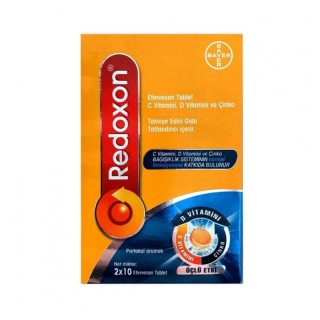
Understanding Ascorbic Acid (Vitamin C)
Ascorbic acid, commonly known as Vitamin C, is a vital nutrient that plays an essential role in numerous biological functions. All products within the Ascorbic acid (Vitamin C) category share a common foundation: they contain this potent antioxidant that supports the immune system, facilitates collagen production, and aids in the absorption of iron from plant-based foods. Ascorbic acid is a water-soluble vitamin, which means it must be consumed regularly as the body does not store it. This characteristic ensures that the products in this category are formulated to deliver a consistent intake of vitamin C to help you maintain optimal health.
The key characteristics shared by all products in the Ascorbic acid (Vitamin C) category include their stability and efficacy in combating oxidative stress, which can lead to chronic diseases. Additionally, they often contain varying concentrations of ascorbic acid, which determines the overall potency and effectiveness of the product. Users can expect a variety of benefits, including improved skin health, enhanced immune function, and antioxidant protection from environmental aggressors. Overall, the synergy of these elements establishes the Ascorbic acid (Vitamin C) category as a crucial component of a health-conscious lifestyle.
Available Forms and Offerings
Products in the Ascorbic acid (Vitamin C) category come in various forms to cater to diverse consumer preferences and needs. Among the most common formats are powdered supplements, capsules, effervescent tablets, and liquid drops. Each of these formats provides unique advantages, allowing individuals to choose what best fits their lifestyle and dietary habits.
For instance, powdered vitamin C can be mixed into drinks and smoothies, providing versatility in how you can incorporate it into your daily routine. Capsules offer a convenient option for those who prefer not to taste the vitamin. Effervescent tablets dissolve in water, offering a refreshing way to hydrate and ingest vitamin C simultaneously, while liquid drops can be easily added to food or drinks, making them suitable for individuals of all ages.
In addition to these forms, you may also find Ascorbic acid combined with other ingredients, such as bioflavonoids, which can enhance absorption and provide additional health benefits. This variety ensures that consumers can find a product that not only meets their nutritional needs but also aligns with their personal preferences.
Why Choose Ascorbic Acid (Vitamin C)?
Choosing Ascorbic acid (Vitamin C) products over those from other related categories is a significant decision for anyone looking to improve their overall health and wellbeing. Unlike some vitamin supplements that might prioritize specific micronutrients or herbal ingredients, ascorbic acid stands out due to its scientifically proven health benefits. High-quality ascorbic acid products are known for their effectiveness in enhancing immunity, reducing the duration of common colds, and promoting healthy skin through collagen synthesis.
Moreover, many other categories of supplements may offer an array of vitamins or minerals, but few focus solely on the comprehensive advantages that vitamin C can provide across various facets of health. The advantage of ascorbic acid lies in its dual role as both a nutrient and a powerful antioxidant, making it an indispensable addition to your dietary regimen. Users may experience improved energy levels and a heightened sense of well-being, making vitamin C a strategic choice for those serious about their health goals.
Long-term Effects and Considerations
Utilizing products from the Ascorbic acid (Vitamin C) category can yield long-term health benefits, such as strengthening the immune system, enhancing skin health, and decreasing the risk of chronic diseases associated with oxidative damage. Consumers often report a noticeable improvement in their skin's texture and brightness, attributed to the vitamin's role in collagen production. Additionally, consistent intake may lead to better overall vitality and resilience against environmental stressors.
However, it’s crucial to be aware of potential contraindications. Pregnant women, individuals with certain chronic conditions, or those on specific medications should consult their healthcare providers before starting any new supplement regimen. Moreover, while vitamin C is generally regarded as safe, excessive intake could lead to gastrointestinal discomfort and other adverse effects. Thus, understanding personal health circumstances and the appropriate dosages is essential in maximizing the benefits of Ascorbic acid (Vitamin C).
How to Choose and Use Ascorbic Acid (Vitamin C) Products
When selecting products in the Ascorbic acid (Vitamin C) category, it is essential to consider factors such as the form, dosage, and additional ingredients that may enhance effectiveness and absorption. Look for products that specify their ascorbic acid content and check for third-party testing for quality assurance. Selecting items with natural sources or those labeled as non-GMO can provide assurance about the product’s purity.
Starting with a lower dosage can often be beneficial, allowing your body to adjust while you monitor for any adverse reactions. As a general guideline, adults typically require 65 to 90 mg of vitamin C per day, but higher doses may be included in supplementation for specific health goals. Taking Ascorbic acid with food may help enhance its absorption and minimize any potential gastrointestinal discomfort. It’s beneficial to incorporate products from this category consistently and as part of an overall balanced diet for the best results.
Lastly, consult with a healthcare provider if you have specific health concerns or if you are unsure about how to incorporate vitamin C into your daily regimen. The versatility of Ascorbic acid (Vitamin C) products makes them an excellent choice for enhancing your health when chosen and used correctly.