
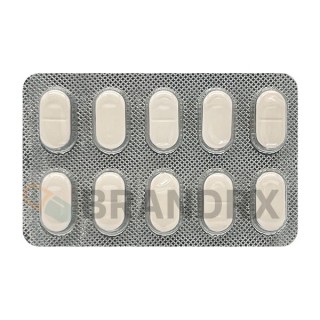

Key features of Etodolac and its advantages
Etodolac is a non-steroidal anti-inflammatory drug (NSAID) known for its effectiveness in managing pain and inflammation. It is primarily used to relieve symptoms associated with various types of arthritis, as well as acute pain conditions. The key features that unite products in this group include their ability to inhibit the production of prostaglandins—compounds that mediate pain and inflammation in the body. By suppressing these compounds, Etodolac provides relief from discomfort while promoting improved mobility and overall joint function.
One of the primary advantages of Etodolac over other NSAIDs is its selective inhibition of COX-2 enzymes, which are involved in the inflammation process. This selectivity reduces the likelihood of gastrointestinal side effects commonly associated with traditional NSAIDs, making Etodolac a safer option for many individuals. Consumers often appreciate its longer half-life, allowing for less frequent dosing compared to other medications in its class. Additionally, its effectiveness not only in reducing pain but also in managing inflammation makes it a versatile choice for patients with chronic conditions.
Pharmacological properties and mechanism of action
Etodolac is available in various forms, including tablets and extended-release formulations, which provide flexibility in dosing and patient compliance. The immediate-release tablets are typically utilized for acute pain situations, while the extended-release versions are designed for managing chronic conditions, offering sustained relief over an extended period.
The primary pharmacological property of Etodolac lies in its role as an inhibitor of cyclooxygenase (COX) enzymes. By targeting COX-2, it decreases the levels of inflammatory mediators and provides relief from pain. This mechanism allows for effective management of symptoms while minimizing adverse effects related to COX-1 inhibition, such as gastric irritation or ulceration. Understanding the specific mechanism of action is crucial for healthcare practitioners and patients alike, as it informs treatment decisions based on individual needs and health profiles.
Indications for the use of Etodolac
Etodolac is indicated for various conditions, most notably osteoarthritis and rheumatoid arthritis. These chronic inflammatory ailments can significantly diminish the quality of life, and Etodolac serves as an effective management solution, distinguishing itself from other pain relief options. While many NSAIDs are available, Etodolac is particularly beneficial for long-term treatment, thanks to its targeted action and reduced gastrointestinal risk profile.
Furthermore, it is also utilized for alleviating pain from conditions such as acute musculoskeletal disorders, including strains and sprains. The ability of Etodolac to combine both analgesic and anti-inflammatory properties sets it apart from other over-the-counter pain relievers, making it a go-to choice for users seeking comprehensive relief from pain without the burden of complex dosing schedules.
Impact on training results
The use of Etodolac can have a significant impact on training results, especially for athletes and individuals engaged in rigorous physical activity. By alleviating pain and reducing inflammation, it enables individuals to maintain their training regimens and promotes quicker recovery from injuries. However, it is essential to use this medication responsibly, as dependence on pain relievers can mask underlying issues that should be addressed through appropriate rehabilitation.
It is crucial to recognize that certain populations may not be suitable for Etodolac use, including pregnant women, breastfeeding mothers, and individuals with known allergies to NSAIDs. Additionally, people with renal impairment, cardiovascular disease, or gastrointestinal disorders should consult with healthcare professionals prior to using this medication. Understanding these contraindications ensures safe and effective use, allowing users to maximize the benefits while minimizing risks.
Order online in the USA
When considering purchasing Etodolac online, it is essential to explore reliable options to ensure quality and safety. Users should begin by researching licensed pharmacies that offer Etodolac and verifying their credentials to avoid counterfeit products. Reading customer reviews and checking pharmacy ratings can provide valuable insights into the reliability of the source. Additionally, it is advisable to consult with a healthcare professional beforehand to obtain a valid prescription, which is often required for purchasing prescription medications online.
Once a trusted online pharmacy is identified, users can easily navigate their site to find Etodolac in various forms. It is advisable to compare prices, read product descriptions, and check for availability before placing an order. Most reputable pharmacies provide customer support to assist with any questions or concerns regarding the ordering process, ensuring users are well-informed about their choices.
Possible side effects and ways to minimize them
As with any medication, the use of Etodolac may come with potential side effects. Common side effects include gastrointestinal disturbances such as nausea, diarrhea, and abdominal pain. To mitigate these issues, it is advisable to take Etodolac with food or milk, which can help buffer its effects on the stomach lining.
More serious side effects, although rare, may include cardiovascular issues or renal impairment, particularly with prolonged use. It is essential to monitor any changes in health and report significant adverse effects to a healthcare provider immediately. To promote safety and effective use, individuals should adhere to the prescribed dosage and avoid combining Etodolac with other NSAIDs, leading to increased risk of complications.
In summary, while Etodolac can provide significant relief from pain and inflammation, understanding its pharmacological properties, appropriate usage guidelines, and potential side effects is critical for maximizing benefits and ensuring user safety.