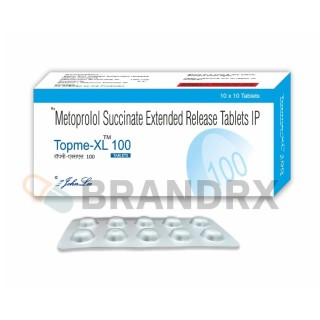
Understanding the Use of Metoprolol
Metoprolol is a medication frequently prescribed to treat a variety of cardiovascular conditions. Typical users of Metoprolol often seek to manage hypertension, control heart rate, or reduce the risk of heart attacks. Many individuals believe that simply taking Metoprolol will guarantee improved heart health; however, this misunderstanding can lead to unrealistic expectations. It is essential for patients to grasp that Metoprolol is most effective when part of a comprehensive approach to cardiovascular health, which includes lifestyle changes such as diet, exercise, and regular check-ups with healthcare providers.
Patients may also confuse Metoprolol with other types of beta-blockers, leading to further misunderstandings about its unique properties and benefits. Clarity around how Metoprolol specifically functions in the body is crucial, as it operates by blocking certain receptors in the heart, which decreases heart rate and reduces blood pressure. Additionally, consumers may not fully understand the importance of adhering to prescribed dosages and schedules, which are vital in achieving the desired therapeutic effects from this medication.
Internal Mechanisms of Metoprolol
The internal workings of Metoprolol involve a complex interplay of biochemical processes that result in its therapeutic effects. When administered, Metoprolol primarily targets the beta-1 adrenergic receptors in the heart, helping to decrease heart rate and force of contraction. This reduction in cardiac output can significantly lower blood pressure levels, making it effective for treating hypertension.
Besides its role in managing blood pressure, Metoprolol is also instrumental in preventing angina and treating heart failure. The specific parameters that matter when utilizing Metoprolol include dosage, timing, and individual patient health factors, such as pre-existing conditions or concurrent medications. For users, paying attention to these parameters can impact treatment outcomes significantly. Additionally, when Metoprolol is incorporated into a broader treatment plan alongside other medications, such as diuretics or ACE inhibitors, understanding how these drugs interact becomes crucial.
Comparison to Other Medication Classes
Apart from Metoprolol, there are various classes of medications used for managing cardiovascular health, each with distinct mechanisms of action and therapeutic effects. For instance, while beta-blockers like Metoprolol primarily reduce heart rate and contractility, calcium channel blockers facilitate the relaxing of blood vessels, leading to reduced blood pressure without directly affecting heart rate.
Another category, dual antiplatelet agents such as aspirin and clopidogrel, primarily focus on preventing blood clots but do not influence heart rate or blood pressure. The choice between these medications often depends on the specific health condition at hand, the patient's overall health profile, and potential drug interactions, demonstrating that the principles of action vary considerably among different medication categories.
The distinction between these classes emphasizes the need for personalized medicine where healthcare providers consider individual responses, co-existing health issues, and specific treatment goals when prescribing medications. A thorough understanding of these differences can empower patients to engage more meaningfully in discussions with their healthcare providers about their treatment plans.
Risks and Consultation Requirements
While Metoprolol is generally safe for many patients, it is crucial to recognize its limitations and contraindications. Individuals with specific medical conditions such as severe asthma, certain heart blockages, or hypotension may face risks if prescribed this medication. Moreover, those currently on certain other medications may experience adverse interactions, underscoring the importance of full disclosure of all medications and supplements to healthcare providers before starting Metoprolol.
Professional consultation is essential not only at the initiation of treatment but also throughout its duration. Regular appointments can help assess effectiveness, monitor side effects, and adjust dosages as needed. Patients should never start or stop using Metoprolol abruptly without guidance from their healthcare provider, as this could lead to serious complications.
Understanding the importance of professional oversight cannot be overstated, as shared decision-making between patients and their healthcare teams can foster better adherence, minimize risks, and enhance overall treatment efficacy.
Navigating the Metoprolol Information Page
Exploring the category page dedicated to Metoprolol can provide insights into its uses, benefits, and necessary precautions. Visitors are encouraged to immerse themselves in the available resources, which may include detailed articles, patient testimonials, clinical study summaries, and expert analyses. These resources can help clarify any uncertainties surrounding Metoprolol and bolster user confidence in managing their health.
Users should look for frequently asked questions sections that may address common concerns related to side effects and interactions. Comprehensive guides on administration and lifestyle recommendations may also be helpful in maximizing the drug's effectiveness.
In addition to reading through the available content, users can benefit from interactive tools or forums where they can engage with healthcare professionals and other patients. By actively participating in these discussions, patients can stay well-informed about their treatment options and make educated decisions regarding their cardiovascular health. The category page aims to serve as a reliable resource, empowering users with the knowledge necessary to navigate their journey with Metoprolol effectively.