

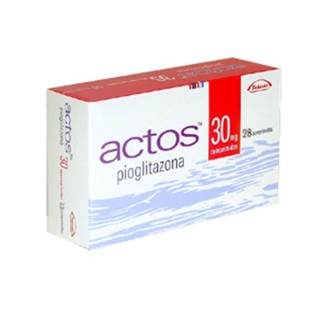

Understanding the Pioglitazone Product Category
The Pioglitazone product category encompasses a range of medications primarily designed to manage type 2 diabetes. These products share a common mechanism of action, working to improve insulin sensitivity, thereby assisting the body in better utilizing glucose. Pioglitazone, a thiazolidinedione, is known for reducing blood sugar levels and promoting overall metabolic health. These medications are often prescribed as part of a comprehensive diabetes treatment plan, which may include lifestyle modifications such as diet and exercise.
Key characteristics of products within this category include their efficacy in lowering HbA1c levels, a measure of average blood sugar over time, and their role in reducing the risk of cardiovascular complications associated with diabetes. Furthermore, Pioglitazone is typically well-tolerated by patients, making it a valuable option for managing chronic conditions over the long term. Given the diverse impacts of diabetes on various aspects of health, the commonality that unites these products is their dedication to improving patient outcomes through enhanced glycemic control.
Forms and Formats of Diabetes Management Products
Products in this category are available in several forms, ensuring that they can meet a range of patient needs and preferences. The most common formats include oral tablets, which are typically prescribed to patients for daily use. These tablets generally come in different strengths, allowing for dose adjustments based on individual treatment goals.
Some formulations may be combined with other antidiabetic agents. This combination therapy can potentially enhance glycemic control beyond what is achievable with monotherapy. Moreover, as the healthcare landscape continues to evolve, new delivery mechanisms and formulations are being developed, ensuring that the Pioglitazone category remains relevant in modern diabetes management.
Key Differences Between Pioglitazone and Related Categories
While numerous medications exist for the management of type 2 diabetes, Pioglitazone stands out due to its unique pharmacological class as a thiazolidinedione. Unlike other medications that may work through different mechanisms such as insulin secretion stimulation or glucose absorption inhibition, Pioglitazone's primary function revolves around enhancing insulin sensitivity.
This distinctive action can be especially beneficial for patients whose diabetes is characterized by insulin resistance. Furthermore, the potential anti-inflammatory and lipid-altering effects of Pioglitazone are aspects that some other diabetes medications do not provide. Therefore, for patients specifically looking to target insulin resistance, Pioglitazone is an invaluable option. Its ability to be integrated into various treatment regimens also underscores the versatility of this medication in addressing the complex needs of individuals with type 2 diabetes.
Long-term Effects and Considerations for Pioglitazone Use
The long-term effects of using products within the Pioglitazone category can be significant, providing improved glycemic control and a reduction in the risk of diabetes-related complications. Studies have demonstrated favorable outcomes related to weight management, cardiovascular health, and overall diabetic patient care when Pioglitazone is incorporated into treatment. However, it is essential to recognize that, like any medication, long-term use comes with potential risks and contraindications.
Patients considering Pioglitazone should consult healthcare providers, especially those who are pregnant, minors, or have pre-existing medical conditions such as heart failure, bladder cancer history, or severe liver impairment. These factors may limit the suitability of Pioglitazone, emphasizing the importance of individualized care as part of a comprehensive diabetes management strategy.
Practical Advice for Choosing Pioglitazone Products
When selecting products from the Pioglitazone category, several practical considerations can guide your choice to ensure effective management of diabetes. Firstly, it is advisable to consult with healthcare professionals to determine the appropriate dosage and formulation based on individual health profiles and diabetes progression.
Patients should also consider their lifestyle and personal preferences when choosing between available formulations. Some might prefer oral tablets due to ease of use, while others may need recommendations for combination therapies. Being informed about potential side effects and monitoring requirements is crucial for ensuring that treatment is effective and safe over the long term.
Regular follow-ups with healthcare providers will help assess therapeutic outcomes and make necessary adjustments to the treatment plan. By staying engaged in the management process, patients can enhance their chances of achieving and maintaining optimal blood sugar levels, ultimately leading to better health outcomes.