
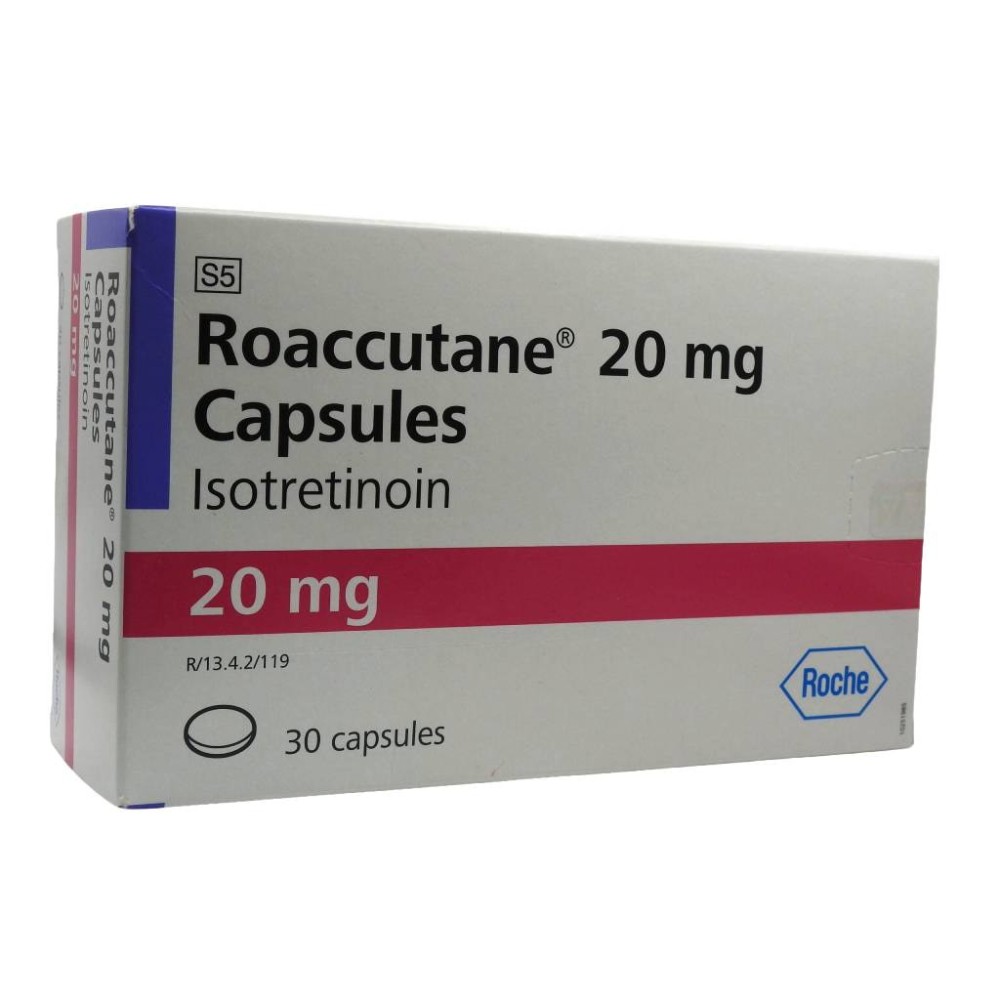


Present Roaccutane 20 mg Roche and Explain Its Main Purpose
Roaccutane 20 mg Roche is a prescription medication that plays a crucial role in the treatment of severe acne, specifically nodular acne that does not respond adequately to other forms of treatment, such as topical medications or oral antibiotics. The active ingredient in Roaccutane is isotretinoin, a powerful derivative of vitamin A known for its ability to decrease sebaceous gland activity dramatically. This reduction in oil production helps to prevent the development of acne lesions, thereby aiding in the clearing of the skin and improvement of overall skin texture.
Isotretinoin functions by targeting the primary causes of acne, including excess oil production, clogged hair follicles, and inflammation. By addressing these factors, Roaccutane can offer a more definitive solution for individuals struggling with painful and often distressing cystic acne. It is typically prescribed for patients who have not found relief through traditional treatments and may experience significant psychological distress due to their skin condition.
Describe Typical Users and Contexts Where This Medicament is Applied
Typical users of Roaccutane 20 mg Roche include teenagers and adults suffering from severe acne. While acne is most commonly associated with adolescents undergoing hormonal changes in their bodies, many adults are also affected, sometimes due to factors such as hormonal imbalances, stress, or lifestyle choices. This medication is often seen as a last resort for patients whose acne has not responded favorably to alternative therapies, including topical retinoids, antibiotics, and various over-the-counter products.
Patients who are frequently prescribed Roaccutane are those who are dealing with painful and inflamed acne cysts that can lead to scarring if left untreated. Additionally, individuals who have experienced a significant emotional toll from their acne, such as feelings of embarrassment, low self-esteem, or depression, also seek Roaccutane treatment. The decision to use Roaccutane is made under medical supervision, taking into account the severity of the acne, previous treatments tried, and the potential benefits versus the risks associated with isotretinoin therapy.
Explain the Strengths and Distinguishing Characteristics of Roaccutane 20 mg Roche Compared to Related Options
Roaccutane 20 mg Roche distinguishes itself from other acne treatments due to its powerful formulation and targeted action on severe acne. Unlike topical treatments that primarily address surface issues, Roaccutane works systemically to reduce oil production from within the sebaceous glands. This unique approach allows for a more thorough treatment of nodular and cystic acne, often resulting in longer-lasting results with fewer recurrences.
Additionally, Roaccutane is known for its comprehensive ability to improve acne-related scars and texture over time, something that many conventional treatments do not achieve. Other oral medications, such as antibiotics, may provide temporary relief but often do not address the root cause, which can lead to the re-emergence of acne once the medication is discontinued. Roaccutane's ability to provide a more complete solution, sometimes even leading to permanent clearance of acne, sets it apart in the dermatological treatment landscape.
Provide a Balanced Overview of Roaccutane 20 mg Roche Benefits
Using Roaccutane 20 mg Roche can lead to significant improvements in both the skin’s appearance and the patient's emotional well-being. Some of the key advantages of this medication include:
- Effective Reduction in Severe Acne: Roaccutane addresses severe cases of acne that have not responded to other treatments, offering hope for patients who have struggled for years.
- Long-lasting Results: Many patients experience prolonged remission from acne after completing a course of Roaccutane, reducing the need for ongoing treatments.
- Improvement in Skin Texture: Along with clearing current acne, Roaccutane can improve skin texture and reduce the appearance of acne scars.
- Reduction of Oil Production: The medication reduces sebum production significantly, helping to control the underlying causes of acne.
- Positive Psychological Impact: By alleviating the physical symptoms of severe acne, patients may see improvements in self-esteem and overall quality of life.
Summarize Important Considerations Before Use, Including Contraindications for This Medicament
Before considering Roaccutane 20 mg Roche, it is vital for patients to discuss their medical history and any pre-existing conditions with their healthcare provider. One of the most critical considerations is the risk of birth defects associated with isotretinoin. Women who are pregnant or planning to become pregnant must avoid using this medication due to its teratogenic effects.
Other contraindications include individuals with a history of hypervitaminosis A, liver disease, or diabetes, as well as those taking certain medications that may lead to adverse interactions with isotretinoin. Additionally, patients are advised to adhere to strict guidelines regarding contraception during treatment and for some time after completion. Regular blood tests are typically required to monitor liver function and lipid levels, emphasizing the importance of professional supervision throughout the treatment process. Understanding these aspects ensures that patients can make informed decisions and derive the most benefit from Roaccutane while minimizing potential risks.