
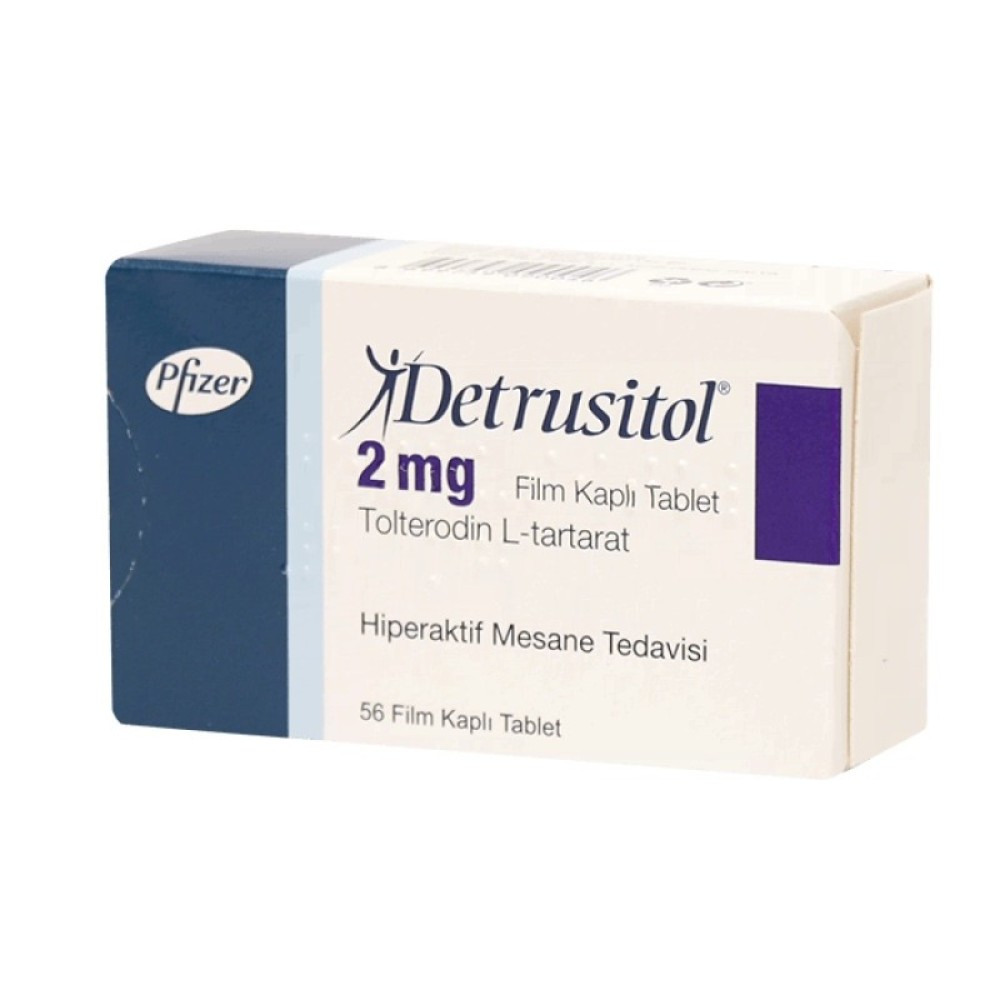


Understanding Detrusitol Pfizer: Principles and Key Characteristics
Detrusitol Pfizer is a medication primarily used to treat overactive bladder symptoms, such as a strong need to urinate and frequent urination. This pharmaceutical product contains the active ingredient tolterodine tartrate, an antimuscarinic agent that works by inhibiting specific neurotransmitters responsible for bladder contractions. The key characteristics of Detrusitol Pfizer make it a significant option for individuals looking to enhance their quality of life by managing these symptoms effectively.
The basic principle of operation of Detrusitol Pfizer relies on its ability to relax the bladder muscles. This action decreases involuntary bladder contractions, thereby increasing bladder capacity and reducing the frequency of urination. By targeting muscarinic receptors in the bladder, Detrusitol Pfizer minimizes the urge to urinate, making daily life significantly more manageable for those affected by urinary incontinence or urgency.
Detrusitol Pfizer is typically well-tolerated by patients and comes with a favorable side effect profile when compared to other medications within the same class. Its effectiveness has made it a go-to choice for many healthcare providers when treating overactive bladder.
Available Forms and Presentations of Detrusitol Pfizer
Detrusitol Pfizer is available in different forms to cater to the diverse needs of patients. The primary presentation is oral tablets, which come in various dosages. This allows healthcare providers to tailor the treatment plan according to an individual’s specific needs and health condition. Most commonly, the medication is offered in a 2 mg and 4 mg dose, giving patients a choice depending on their symptoms and the recommendations of their healthcare provider.
These tablets are designed for easy ingestion and can be taken with or without food, making them convenient for patients. The oral tablet form also ensures that the active ingredients are quickly absorbed into the bloodstream, promoting timely relief from bladder symptoms.
Why Choose Detrusitol Pfizer: Key Differences
When considering treatment options for overactive bladder, Detrusitol Pfizer presents several advantages over alternative therapies. One of the standout features is its targeted mechanism of action, which specifically focuses on minimizing bladder overactivity without affecting urinary retention significantly. This sets it apart from some other medications that may carry a heavier burden of side effects.
Furthermore, studies have shown that Detrusitol Pfizer is effective in reducing urinary frequency and urgency while maintaining a patient-friendly safety profile. Compared to other anticholinergic medications, it tends to result in fewer cognitive side effects, making it a suitable choice for older adults who might be sensitive to such impacts. The ease of use, combined with the effectiveness in symptom management, positions Detrusitol Pfizer as a smart choice for those grappling with overactive bladder issues.
Long-Term Use and Contraindications
Long-term use of Detrusitol Pfizer can be beneficial for many patients; however, it is vital to consider certain contraindications. This medication may not be suitable for individuals with a history of urinary retention, gastric retention, or uncontrolled angle-closure glaucoma. Pregnant women and children are also advised to approach the use of Detrusitol Pfizer with caution, as their safety profile in these populations is not yet fully established.
Patients should also be aware of potential side effects, which may include dry mouth, dizziness, and constipation. Regular consultations with healthcare providers are essential to ensure that Detrusitol Pfizer is serving its intended purpose without adverse effects over time. Continuous monitoring can also help assess the medication's effectiveness and adjust dosages as necessary.
Practical Advice on Using Detrusitol Pfizer
Starting Detrusitol Pfizer involves consultation with a healthcare provider who can assess the patient’s condition and determine the appropriate dosage. It is important to follow the prescribed regimen strictly and to be patient, as it may take some time for the full benefits of the medication to manifest.
Patients should also track their symptoms and any side effects and report these to their healthcare provider during follow-up visits. Maintaining open communication with the prescribing physician will help optimize treatment and ensure that Detrusitol Pfizer remains the right choice. If side effects become bothersome or if the medication seems ineffective, it may be necessary to reevaluate the treatment plan.
In conclusion, Detrusitol Pfizer offers a targeted approach to managing overactive bladder symptoms, with a favorable safety profile and various forms to meet patient needs. By understanding its usage, potential contraindications, and tracking progress, patients can effectively incorporate Detrusitol Pfizer into their treatment regimens for improved bladder control and quality of life.