
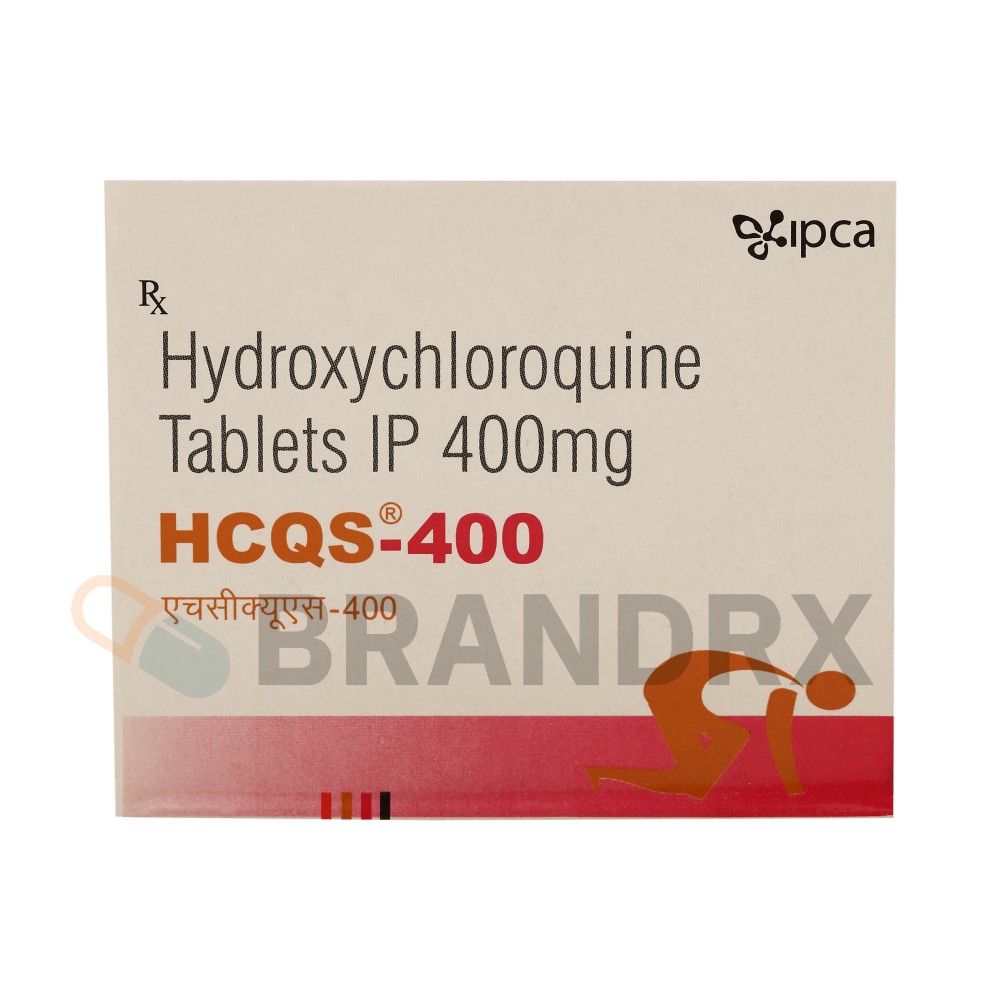
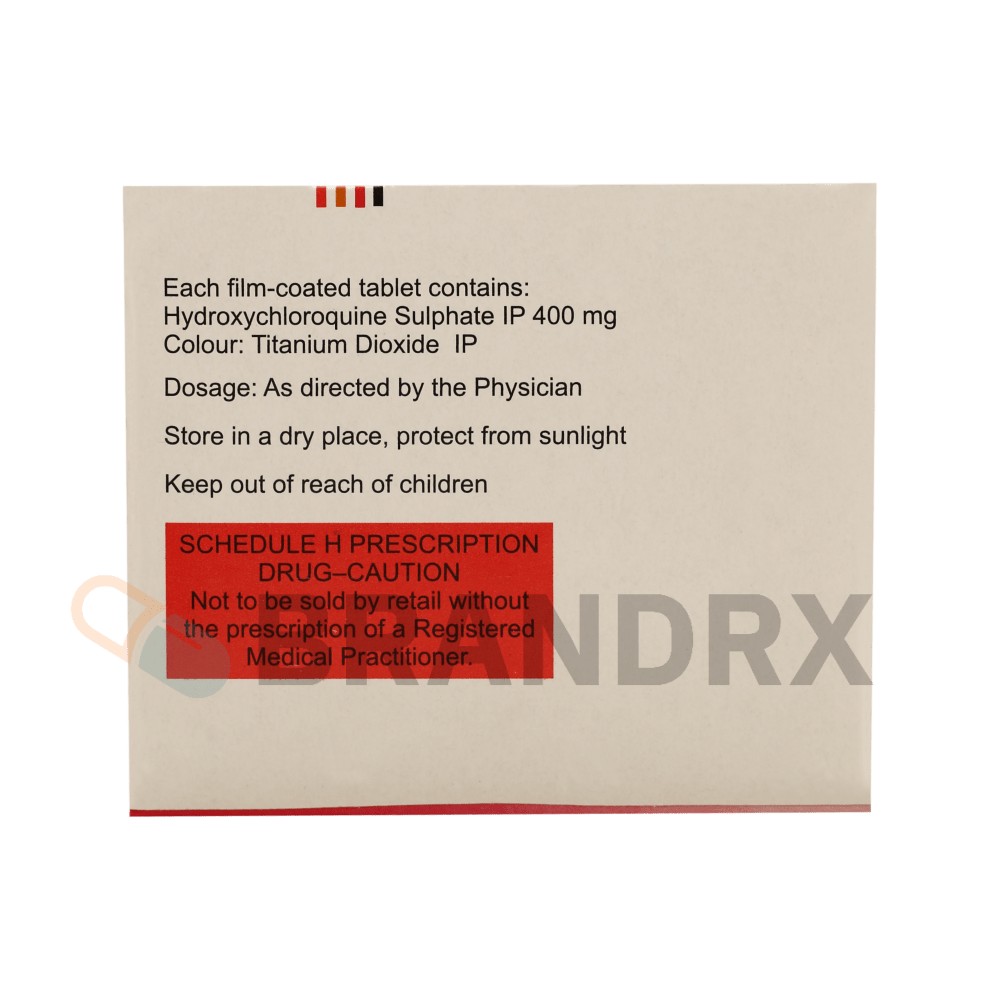
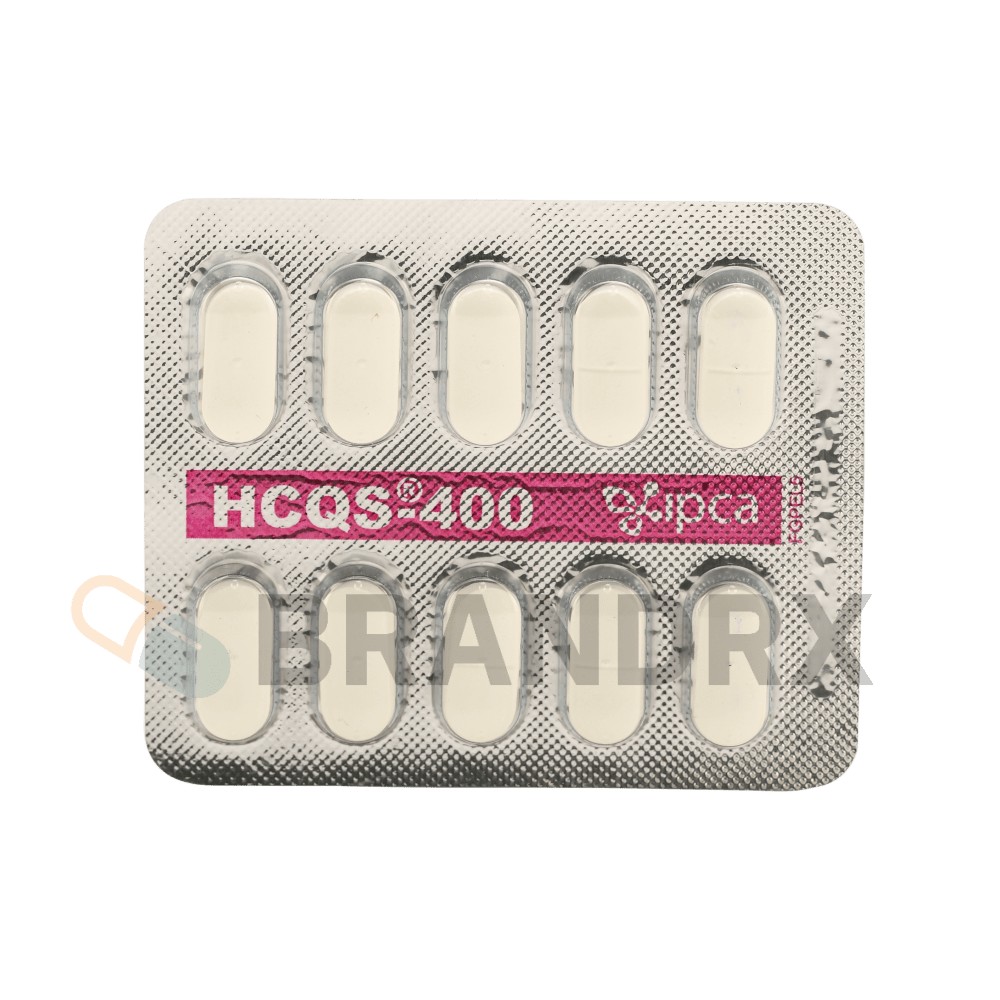
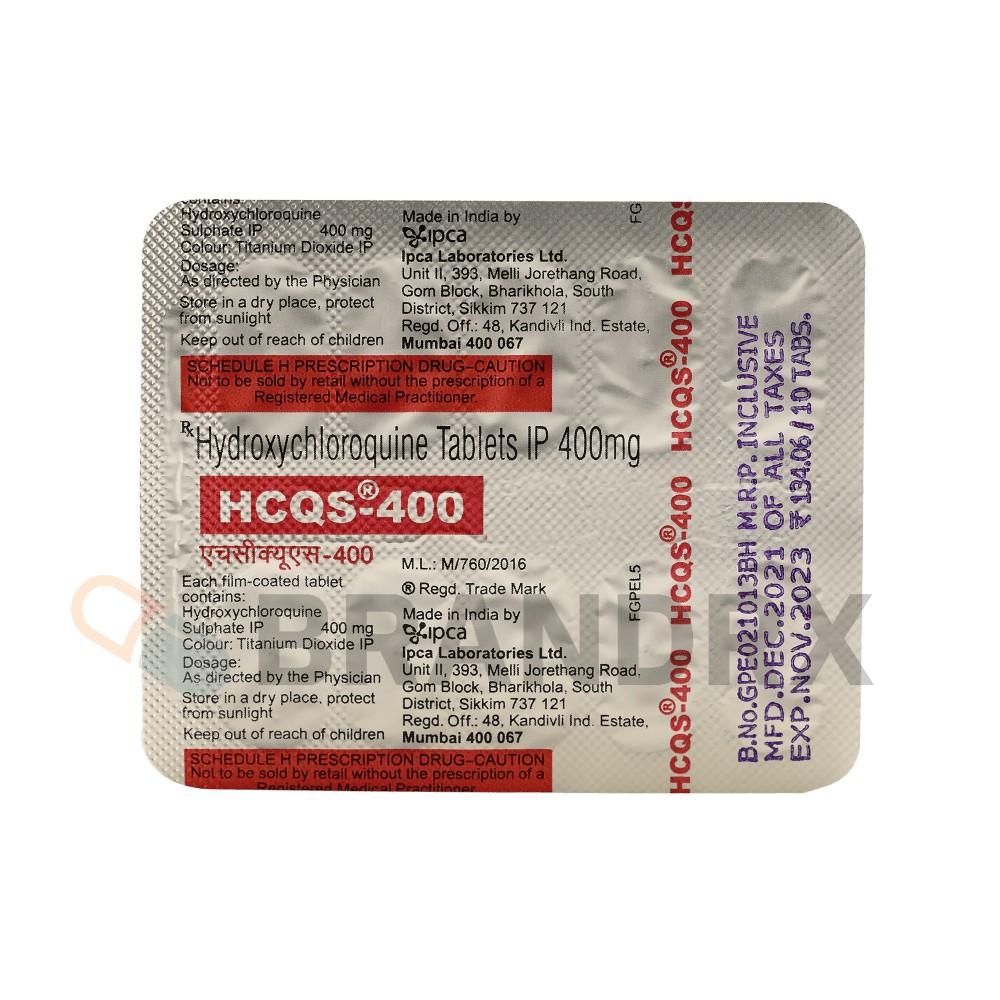


Understanding HCQS 400 mg Ipca Laboratories Ltd
HCQS 400 mg, produced by Ipca Laboratories Ltd, is a potent medication primarily used to treat autoimmune diseases such as rheumatoid arthritis, lupus erythematosus, and certain skin disorders. The active ingredient in this formulation is Hydroxychloroquine Sulfate, which is classified under antimalarial drugs but has shown remarkable efficacy in managing chronic inflammatory conditions. The main working principle of HCQS lies in its ability to modulate the immune system, reducing inflammation and providing relief from pain and stiffness associated with these diseases.
The key features of HCQS 400 mg include its ability to improve the quality of life for patients suffering from debilitating autoimmune conditions. It works by inhibiting the function of critical immune cells, thereby slowing down disease progression. Additionally, Hydroxychloroquine is known for its anti-inflammatory properties, making it an essential option for patients who do not respond well to traditional NSAIDs or corticosteroids. Furthermore, HCQS 400 mg has garnered attention due to its relatively favorable safety profile in comparison to other systemic therapies, offering patients an alternative that can be tolerated over long periods.
Forms of Release for HCQS 400 mg
HCQS 400 mg is typically available in tablet form, designed for oral administration. This method of delivery is advantageous as it ensures that the medication is easily absorbed in the gastrointestinal tract, allowing for effective therapeutic levels in the bloodstream. The tablets are often coated, making them easy to swallow and enhancing patient compliance. For some formulations, a modified-release version may be available, providing a slow and consistent release of the active ingredient over time, which can enhance therapeutic efficacy while minimizing side effects associated with peak plasma concentrations.
In addition to the conventional tablet form, HCQS may also be available in combination with other drugs, which may provide synergistic effects or address multiple symptoms in patients with complex medical histories. Understanding the different formulations can help healthcare providers tailor treatment plans to individual needs, optimizing the therapeutic outcomes for patients.
How HCQS 400 mg Differs from Other Substances
What sets HCQS 400 mg Ipca Laboratories Ltd apart from other treatment options is its dual role as both an antimalarial and an anti-inflammatory agent. Unlike traditional NSAIDs, which merely alleviate pain and swelling, HCQS targets the underlying immune response involved in autoimmune diseases. This unique mechanism offers significant advantages, particularly for patients who may experience adverse reactions to long-term NSAID use or corticosteroids.
Moreover, HCQS has been shown to have a relatively lower incidence of gastrointestinal side effects, which can be a common concern with many pain management medications. This makes it an attractive option for patients seeking a sustainable treatment strategy. Additionally, while conventional DMARDs (Disease-Modifying Antirheumatic Drugs) may take weeks or months to show efficacy, some patients begin to notice improvements in their symptoms with HCQS within a few weeks of starting treatment. This prompt action can be crucial in managing symptoms effectively and improving patient outcomes.
Long-term Use and Safety Information
The long-term use of HCQS 400 mg has demonstrated benefits for many patients with chronic conditions. However, it is critical to approach its use with caution. There are contraindications for HCQS, which include individuals with a known hypersensitivity to Hydroxychloroquine or related compounds, certain pre-existing eye conditions, and those with severe glucose-6-phosphate dehydrogenase (G6PD) deficiency. It is essential for pregnant or breastfeeding women to consult their healthcare provider, as the safety during pregnancy is not fully established, and HCQS may have implications for the developing fetus or infant.
In terms of side effects, while HCQS is generally well-tolerated, it may cause vision changes, gastrointestinal discomfort, or dermatological reactions in some patients. Regular monitoring by healthcare professionals is advised to mitigate any potential risks associated with long-term use. Given these factors, individuals considering HCQS as a treatment option should engage in thorough discussions with their healthcare providers to determine the suitability of this medication for their specific health profiles.
Practical Advice for Starting HCQS 400 mg
For those considering HCQS 400 mg Ipca Laboratories Ltd, it is best to initiate treatment under the guidance of a healthcare provider. Begin by discussing any pre-existing medical conditions, current medications, and personal health goals with your physician to ensure that HCQS is appropriate for your situation. It is also beneficial to communicate any previous experiences with other medications for chronic inflammation or autoimmune conditions.
Once prescribed, it is important to adhere strictly to the recommended dosage and administration guidelines provided by your healthcare team to maximize the benefits of HCQS while minimizing potential side effects. Regular follow-ups should include assessments of efficacy and tolerability, as well as monitoring for any adverse reactions that may arise. Additionally, maintaining a healthy lifestyle through balanced nutrition and physical activity can support the overall effectiveness of HCQS, enhancing the quality of life during treatment.
In conclusion, HCQS 400 mg by Ipca Laboratories Ltd not only stands out due to its unique mechanisms but also offers hope for many patients battling chronic inflammatory diseases. By understanding the medication’s features, types of release, distinctions from other treatments, long-term use considerations, and practical advice for use, patients can make informed decisions alongside their healthcare providers, leading to improved health outcomes.