
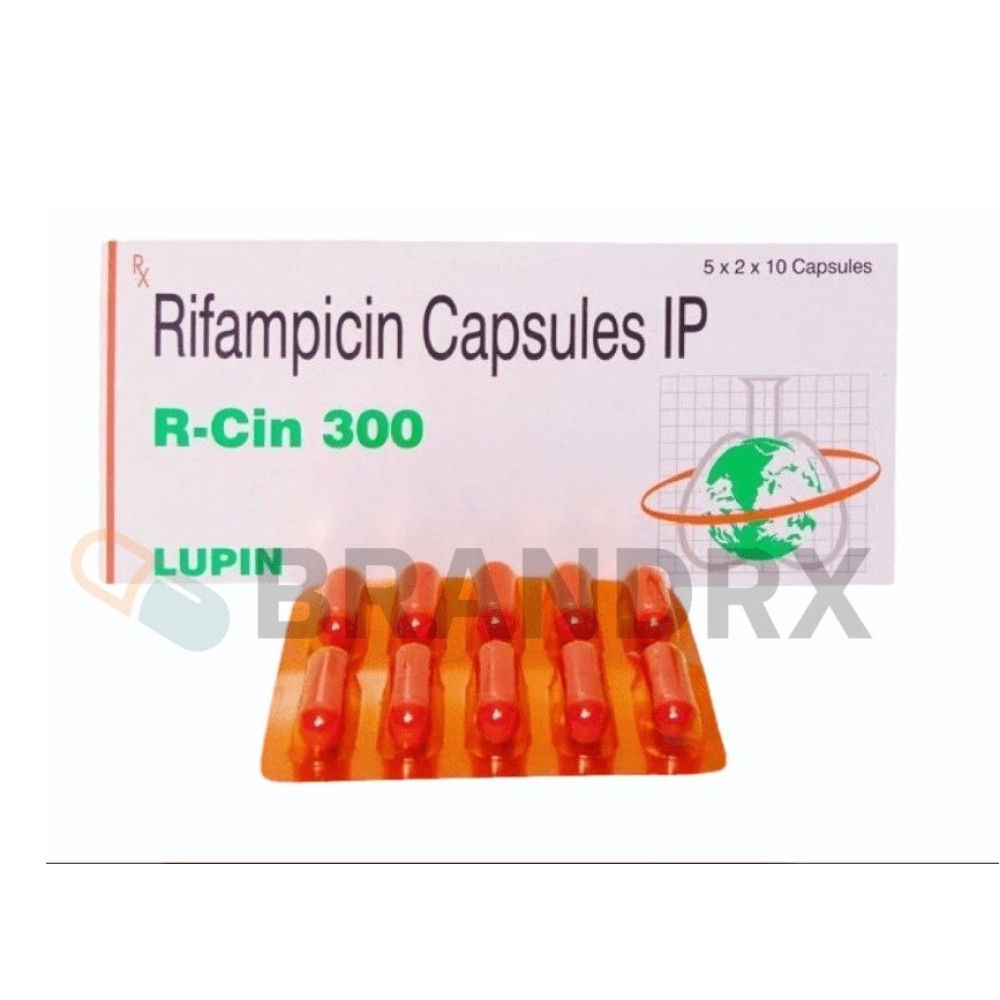


Understanding R-Cin 300 mg Lupin
R-Cin 300 mg Lupin is a pharmaceutical product that plays a significant role in the medical management of various bacterial infections. This medication falls under the category of antibiotics, specifically designed to combat a broad spectrum of bacterial pathogens that may cause infections in different parts of the body. The active ingredient in R-Cin 300 mg Lupin works by inhibiting bacterial protein synthesis, effectively shutting down the growth and reproduction of bacteria. One of the defining characteristics of this drug is its high bioavailability, which means that a significant amount of the active substance reaches the bloodstream after administration, enhancing its efficacy in treating infections.
Another key characteristic of R-Cin 300 mg Lupin is its favorable safety profile. Clinical studies and user experiences suggest that it has a low incidence of adverse effects, making it a preferred choice among healthcare professionals. The effectiveness of R-Cin 300 mg Lupin in treating various infections, coupled with its relatively mild side effects, makes it a reliable option for many patients.
Forms and Formats of R-Cin 300 mg Lupin
R-Cin 300 mg Lupin is available in several forms, designed to cater to various patient preferences and clinical requirements. The most common form is the oral tablet, which is easy to swallow and can be taken with or without food. For patients who have difficulty swallowing tablets or those requiring more precise dosing, liquid formulations or suspensions may also be available. Moreover, R-Cin 300 mg Lupin can sometimes be found in injectable forms, primarily for hospital settings, where quick action against severe bacterial infections is necessary.
Each of these formats has been developed to ensure optimal absorption and effectiveness in the treatment of bacterial infections, allowing healthcare providers to tailor their prescriptions according to individual patient needs.
Key Differences: R-Cin 300 mg Lupin Compared to Other Antibiotics
When comparing R-Cin 300 mg Lupin with other antibiotics, several key differences emerge that may influence a patient's choice of medication. R-Cin 300 mg Lupin is distinguished by its broad-spectrum activity against diverse bacterial strains, which makes it a versatile choice for treating infections that may not yet have been fully diagnosed. In contrast, many antibiotics are more narrowly focused on specific bacteria, potentially necessitating a change in medication if the initial treatment proves ineffective.
Another notable difference is the side effect profile. While some antibiotics can lead to gastrointestinal disturbances or allergic reactions, R-Cin 300 mg Lupin generally maintains a more favorable tolerability profile. This makes it an attractive option for long-term use in chronic infections or for patients with sensitivities to other antibiotics.
Lastly, R-Cin 300 mg Lupin's mechanism of action is unique in that it not only combats active bacterial infections but also exhibits properties that may offer support to the immune system, assisting the body in its natural defense mechanisms. These factors contribute to why patients and healthcare providers might specifically consider R-Cin 300 mg Lupin as part of their treatment regimen.
Long-Term Effects and Considerations
While R-Cin 300 mg Lupin is effective for short-term treatment of bacterial infections, it is also crucial to understand the long-term effects and potential risks associated with prolonged use. Like all antibiotics, there is a risk of developing antibiotic resistance, especially if the medication is not taken as prescribed. It is essential for patients to complete the full course of treatment, even if symptoms improve, to prevent the development of drug-resistant bacteria.
Additionally, certain groups of individuals should exercise caution when considering R-Cin 300 mg Lupin. Pregnant women, nursing mothers, and young children may have specific contraindications or require medical supervision before use. Individuals with pre-existing health conditions, such as liver disease or a history of allergic reactions to antibiotics, should consult their healthcare provider to ensure R-Cin 300 mg Lupin is appropriate for their situation.
Practical Advice for Using R-Cin 300 mg Lupin
When selecting or beginning treatment with R-Cin 300 mg Lupin, patients should adhere to the guidelines provided by their healthcare professional. A proper diagnosis by a qualified practitioner is necessary to determine the appropriateness of this antibiotic for specific infections. Patients should discuss their medical history, current medications, and any allergies to ensure safe usage.
It's essential to follow the prescribed dosage and schedule provided by the healthcare provider. Consistency is key; taking the medication at the same time each day can help maintain effective drug levels in the bloodstream. Moreover, patients should avoid skipping doses and must not hold off on following up with their healthcare provider should side effects occur or if symptoms persist. By taking these steps, patients can maximize the benefits of R-Cin 300 mg Lupin, ensuring a more effective treatment outcome while minimizing risks.