
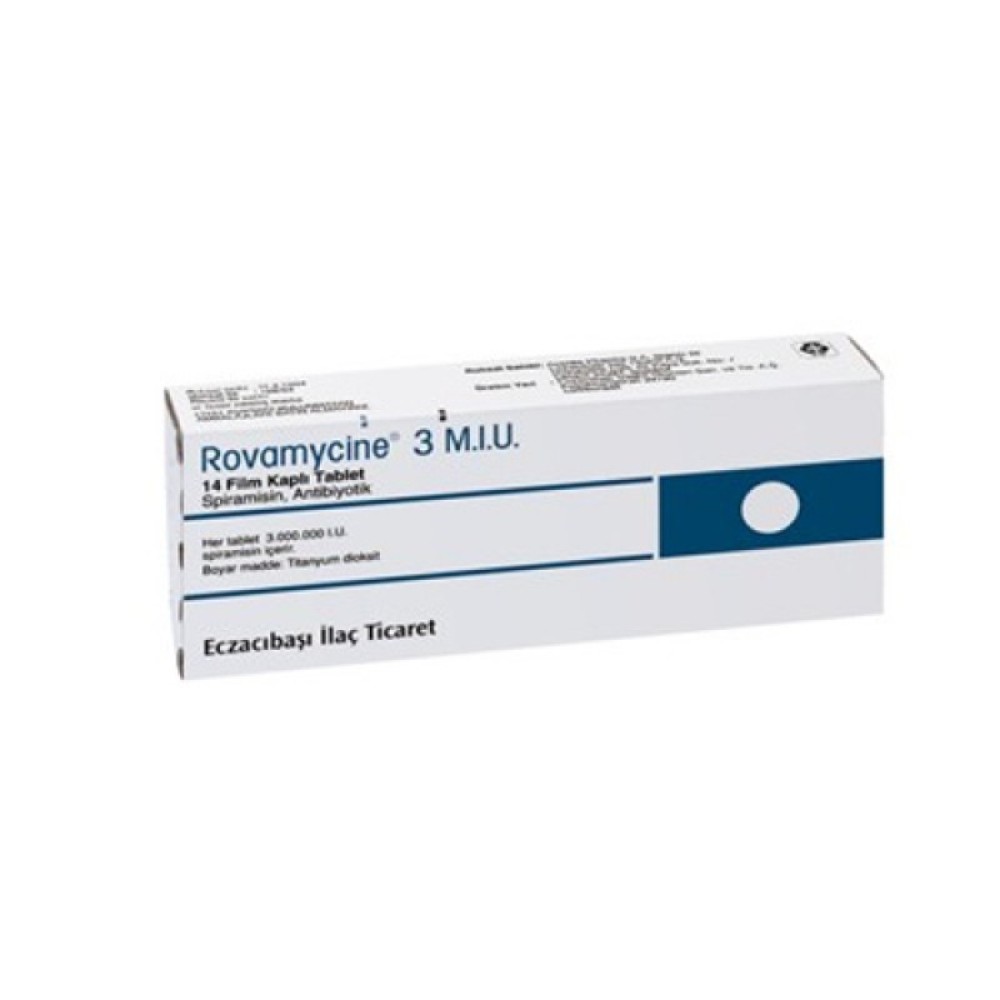


Rovamycine Eczacibasi: Key Medication for Bacterial Infections
Rovamycine Eczacibasi is an antibiotic that plays a crucial role in the treatment of bacterial infections. Its primary purpose is to combat a variety of microbial pathogens, allowing for effective management of conditions such as respiratory tract infections, skin infections, and certain dental infections. By inhibiting bacterial protein synthesis, Rovamycine Eczacibasi helps to slow down and ultimately eliminate infection, thereby promoting recovery in patients.
This medication belongs to the macrolide class of antibiotics, which are renowned for their effectiveness and relatively favorable side effect profile. It has been widely utilized in clinical practice, making it a trusted choice among healthcare providers when addressing bacterial-related health issues.
Understanding Typical Users and Usage Contexts
Rovamycine Eczacibasi is commonly prescribed to a variety of users, including adults and children, who are experiencing infections primarily caused by sensitive bacteria. It is particularly relevant in settings where patients present with symptoms including fever, discomfort, and localized inflammation indicative of an infection. Many healthcare professionals consider this medication suitable for individuals who have shown resilience to other antibiotic treatments or have specific contraindications to alternative drugs.
Additionally, Rovamycine Eczacibasi is often utilized in outpatient settings, such as urgent care clinics and general practice offices, where patients may seek immediate relief from acute bacterial infections. Furthermore, it serves an essential role in treating patients with chronic conditions that predispose them to recurrent infections, providing an effective therapeutic option that can enhance their quality of life.
Strengths and Distinguishing Characteristics of Rovamycine Eczacibasi
One of the notable strengths of Rovamycine Eczacibasi is its broad-spectrum efficacy against various strains of bacteria, including certain resistant types. Unlike some other antibiotics that may have a narrower spectrum of activity, Rovamycine Eczacibasi is particularly effective against both gram-positive and some gram-negative organisms. This versatility makes it a compelling option for treatment.
Another distinguishing characteristic is its favorable pharmacokinetics. Rovamycine Eczacibasi is often well-absorbed and boasts a favorable tissue distribution, allowing for its extended effect in the course of treatment. This property reduces the need for frequent dosing, ultimately enhancing patient compliance and therapeutic outcomes.
Furthermore, Rovamycine Eczacibasi has a demonstrated safety profile, with side effects that tend to be milder compared to other antibiotic classes. This aspect is particularly critical for patients who may be sensitive to the side effects commonly associated with certain broad-spectrum antibiotics.
Benefits of Rovamycine Eczacibasi
Rovamycine Eczacibasi not only provides effective treatment for bacterial infections, but it also offers several important advantages:
- Broad-spectrum activity against a range of bacterial pathogens, allowing for effective treatment of diverse infections.
- Favorable side effect profile, minimizing the risk of adverse reactions in patients.
- Convenient dosing regimen due to effective absorption and tissue distribution, contributing to improved adherence to treatment.
- Proven safety and efficacy in both adult and pediatric populations.
- Potential for use in patients with allergies or contraindications to other antibiotic classes.
These benefits contribute to its status as a preferred choice among healthcare providers and patients alike, making Rovamycine Eczacibasi a vital component in therapeutic practices for bacterial infections.
Important Considerations Before Use
While Rovamycine Eczacibasi presents many advantages, it is essential to consider certain factors before use to ensure it is the appropriate treatment choice. Firstly, patients with a known hypersensitivity to macrolide antibiotics should avoid this medication to prevent serious allergic reactions. Additionally, those with liver impairments should consult their healthcare provider, as adjustments to dosage or care might be necessary.
Another crucial consideration is the potential for drug interactions, especially with other medications that may affect liver enzymes. Healthcare providers typically assess a patient’s full medication list to avert complications. Lastly, patients are advised to complete the full course of treatment as prescribed to prevent the development of antibiotic resistance.
In summary, while Rovamycine Eczacibasi offers numerous therapeutic advantages, it is essential for patients to engage in detailed discussions with their healthcare providers to ensure safety and efficacy in their specific case. Understanding contraindications and potential interactions is key to optimizing treatment outcomes and minimizing risks.