
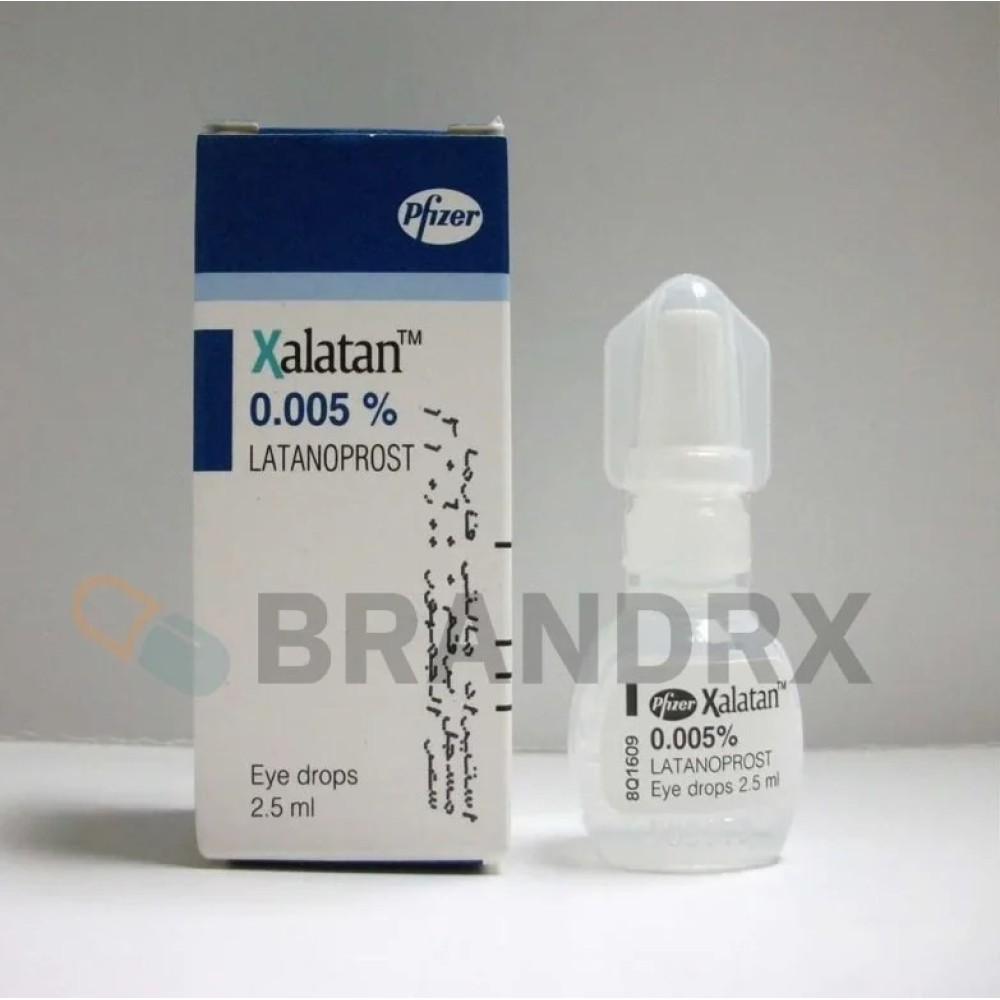


Xalatan Eye Drops 0.005% Pfizer: An Overview
Xalatan Eye Drops 0.005% Pfizer is a prescription medication that plays a crucial role in managing eye pressure in patients diagnosed with conditions like glaucoma and ocular hypertension. The active ingredient in these eye drops is latanoprost, which is a prostaglandin analog. This formulation works primarily by increasing the outflow of aqueous humor, the fluid in the eye, thereby reducing intraocular pressure (IOP). The reduction in IOP is essential in preventing damage to the optic nerve and safeguarding vision. Notably, Xalatan Eye Drops are characterized by their once-daily dosing schedule, making them a convenient choice for patients. Additionally, the solution is preserved with benzalkonium chloride, providing stability and extending shelf life. The effectiveness, ease of use, and well-established track record position Xalatan as a go-to option for ophthalmologists and patients alike.
Types and Formats Available
Xalatan Eye Drops 0.005% Pfizer is primarily available in one standard form: a sterile ophthalmic solution contained within easy-to-use dropper bottles. Each bottle typically contains 2.5 mL of the solution. The dropper design helps ensure precise dosage, which is crucial for optimal treatment efficacy. As a prescription medication, it is crucial for patients to consult healthcare professionals for the appropriate form and usage. While the 0.005% concentration is specific to Xalatan, it is worth noting that other ocular hypotensive agents may come in various concentrations and formulations, including gels and suspensions. However, Xalatan's unique formulation with latanoprost remains the primary choice for many due to its clinical effectiveness and convenience.
Why Choose Xalatan Eye Drops 0.005% Pfizer?
When comparing Xalatan Eye Drops 0.005% Pfizer with other eye drop formulations used for managing intraocular pressure, several key distinctions emerge. Many alternative treatments primarily rely on different mechanisms of action, such as decreasing aqueous humor production or enhancing fluid drainage. In contrast, Xalatan’s prostaglandin mechanism is well-documented and particularly effective, often leading to improved patient adherence due to its once-daily dosage. Additionally, studies highlight that Xalatan generally provides a more significant reduction in IOP than many other available therapies, making it a preferred option among healthcare professionals. Moreover, its relatively favorable side effect profile enhances its appeal, as most patients tolerate it well. Choosing Xalatan Eye Drops means opting for a treatment that integrates convenience, efficiency, and proven results in maintaining eye health.
Long-Term Use: Effects and Contraindications
Long-term use of Xalatan Eye Drops 0.005% Pfizer generally leads to effective management of intraocular pressure when used as prescribed. However, like any medication, there may be potential side effects, including increased pigmentation of the iris, eyelash growth, and possible local allergic reactions. While these side effects are not dangerous, they may concern certain users. Additionally, some contraindications should be noted. Pregnant or breastfeeding individuals should avoid using these drops, as the medication’s safety in these groups has not been established. Individuals with pre-existing eye conditions, such as active intraocular inflammation or those with a history of surgery involving the eye, should consult healthcare professionals before starting treatment. As a general practice, continuous monitoring and regular check-ups are advisable for patients to assess the effectiveness and adjust the treatment plan as necessary.
Practical Advice for Using Xalatan Eye Drops 0.005% Pfizer
To start using Xalatan Eye Drops 0.005% Pfizer effectively, it is essential to follow the prescribing physician's instructions closely. Patients should begin by ensuring proper hygiene before applying the drops, washing hands thoroughly to prevent contamination. It is recommended to tilt the head back slightly, pull down the lower eyelid, and gently squeeze the bottle to dispense the prescribed number of drops into the pocket created in the eyelid. After administration, patients should keep their eyes closed for a few moments to allow the medication to absorb properly. If other eye drops are prescribed, a gap of at least five minutes between applications is advisable to optimize the therapeutic effect of each medication. Storing the eye drops at room temperature in a cool, dry place is crucial, and patients should avoid freezing the product. Lastly, adherence to the prescribed timetable is key to maintaining consistent intraocular pressure levels and supporting long-term eye health.